
Home / Mammals / Rodents / African pygmy mouse
Some federal rules applyAfrican pygmy mouse
Mus minutoides
Mammals › Rodents (Rodentia) › Muridae (Rats, mice and gerbils)
The African pygmy mouse is one of the smallest rodents.

Care at a glance
Setup
One answer per setting. Where sources differ, the smaller figure is the minimum and the larger is what we recommend.
| Adult enclosure | 60 x 30 x 40 cm Larger is better. | academy.herpeton.net |
| Temperature | At least 70°F Preferably 78°F Stable and draft-free. | sandsexoticanimals.com |
| Bedding | 10 cm deep Dry, dust-free, diggable. | academy.herpeton.net |
| Nest box and hides | Plenty of paper or natural-fiber nesting; no cotton wool that tangles legs. | drdknaagdierwinkel.nl |
| Food | High-quality small rodent or mouse pellets as the staple. | sandsexoticanimals.com |
| Water | Fresh daily, in a shallow dish or tiny bottle. | sandsexoticanimals.com |
| Social housing | Always pairs or small colonies; they need company. | Wikipedia |
Care guide
- Sneezing or shortness of breath: Dust or poor environment. drdknaagdierwinkel.nl
Understanding the animal
About this animal
About this animal
It is widespread within sub-Saharan Africa, and is kept as a pet in other parts of the world. Like the common and widely introduced European house mouse, it is a member of the enormous superfamily Muroidea, which includes over 1000 different species. It forms a super- species complex with Mus musculoides.
From Wikipedia: African pygmy mouse, CC BY-SA 4.0 (excerpt)
In the wild
In the wild
Researched for this exact species, not its family. Wild conditions are context, not enclosure settings.123
| Where it lives | Sub-Saharan Africa: grassland, savanna, shrub cover and rocky areas. |
| Social life | Lives in colonies or pairs in grass near water; an excellent climber. |
| Behavior to plan for | Stacks pebbles by its burrow and drinks the dew that collects on them. |
Profile
Profile
Researched for this exact species. Sources are listed under In the wild above.
Keeper tips
- Can jump up to 50 cm (20 in), so it is usually kept in a covered aquarium.
Remarkable facts
- 1-2 years in captivity, sometimes longer.
- Body about 50 mm (2.0 in) with a 40 mm (1.6 in) tail; about 5 g.
Data and studies
Veterinary & husbandry research
Veterinary & husbandry research
- Characterization and expression of DNA sequences encoding the growth hormone gene in African Pygmy Mouse (Mus minutoides). et al., The Journal of veterinary medical science 2021
- Establishment of African pygmy mouse induced pluripotent stem cells using defined doxycycline inducible transcription factors. et al., Scientific reports 2024
- Genotypic sex shapes maternal care in the African pygmy mouse, Mus minutoides. et al., Proceedings. Biological sciences 2023
- Characteristic amino acid residues in the growth hormone receptor gene on Mus minutoides underlying dwarfism. et al., microPublication biology 2023
Peer-reviewed papers that mention this species alongside captivity, zoos, veterinary care or aquaculture. Some cover several species or mention it only in passing, so check the abstract. PubMed
Sources for this sheet
- 42 CFR 71.56: African rodents and other animals that may carry monkeypox (CDC) Zoo, university or veterinaryFederal import ban on African rodents.
- Mus minutoides (academy.herpeton.net) Community referenceWeb page.
- Pygmy mouse (sandsexoticanimals.com) Community referenceWeb page.
- African harvest mouse information (drdknaagdierwinkel.nl) Community referenceWeb page.
- Wikipedia: Mus minutoides (CC BY-SA 4.0) Community referenceEncyclopedia article.
- GBIF Backbone Taxonomy (Global Biodiversity Information Facility) (CC BY 4.0) Peer-reviewed researchInternational scientific taxonomy used here for classification. GBIF Secretariat (2023). GBIF Backbone Taxonomy. Checklist dataset https://doi.org/10.15468/39omei, accessed via GBIF.org.
- Wikipedia (species article) (CC BY-SA 4.0) Community referenceFree encyclopedia; useful overviews with their own citations. Short excerpts are quoted under CC BY-SA 4.0, each credited with a link to its article.
- PubMed (U.S. National Library of Medicine) Peer-reviewed researchIndex of peer-reviewed veterinary, zoo and husbandry research.
More rats, mice and gerbils
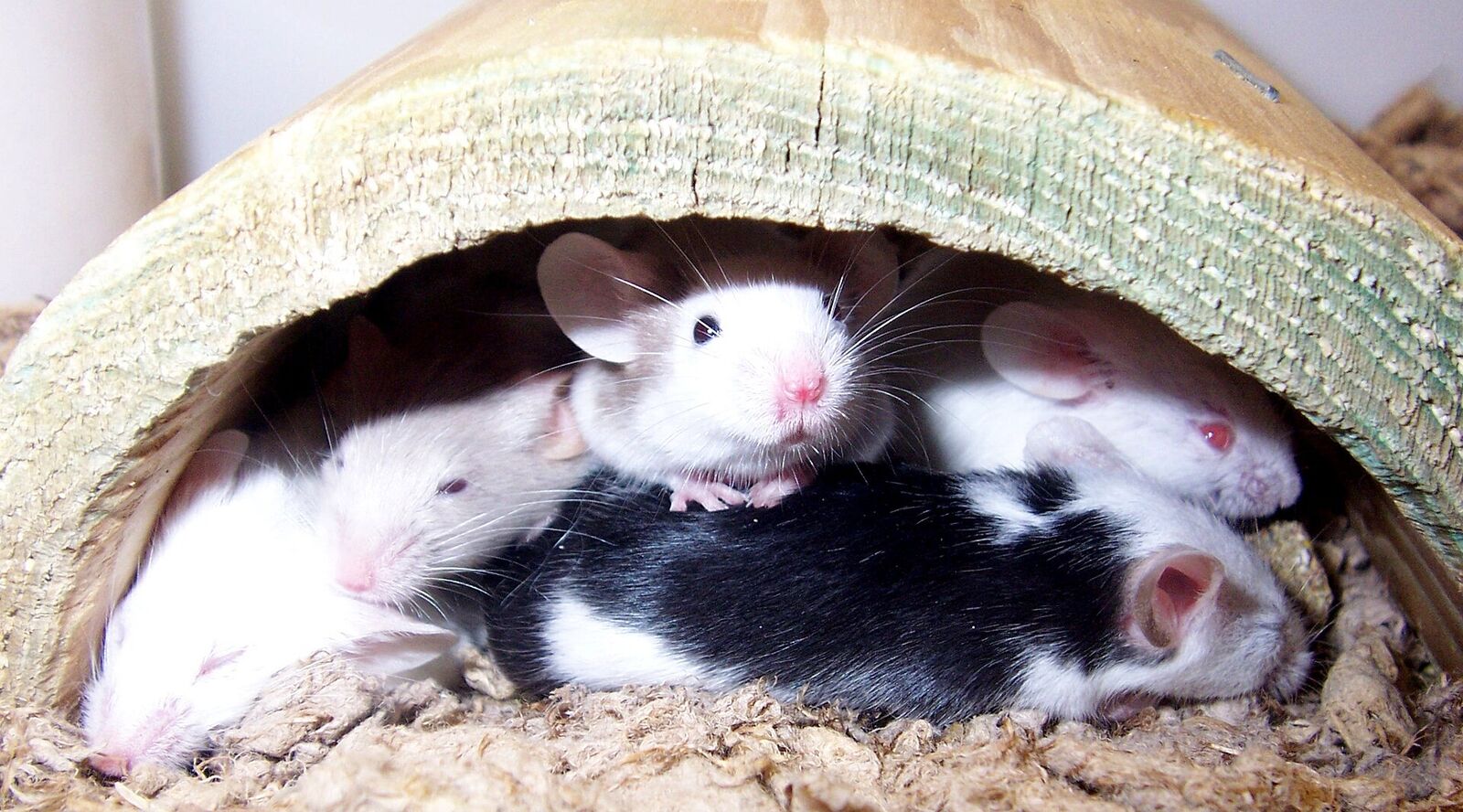
Fancy mouse
Mus musculus
Tiny, busy and fun to watch.
Pet trade
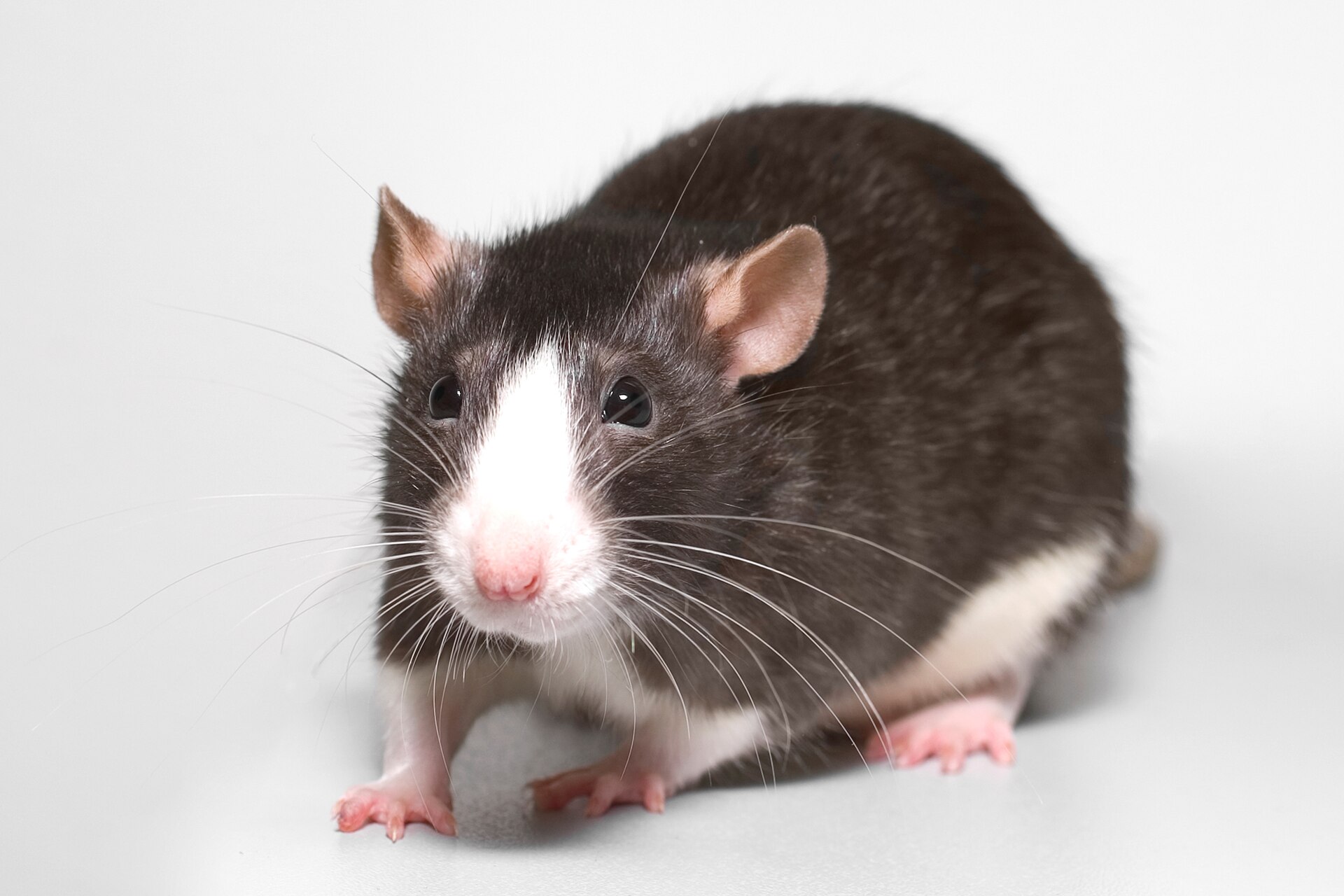
Fancy rat
Rattus norvegicus
Clever, affectionate and endlessly curious.
Pet trade
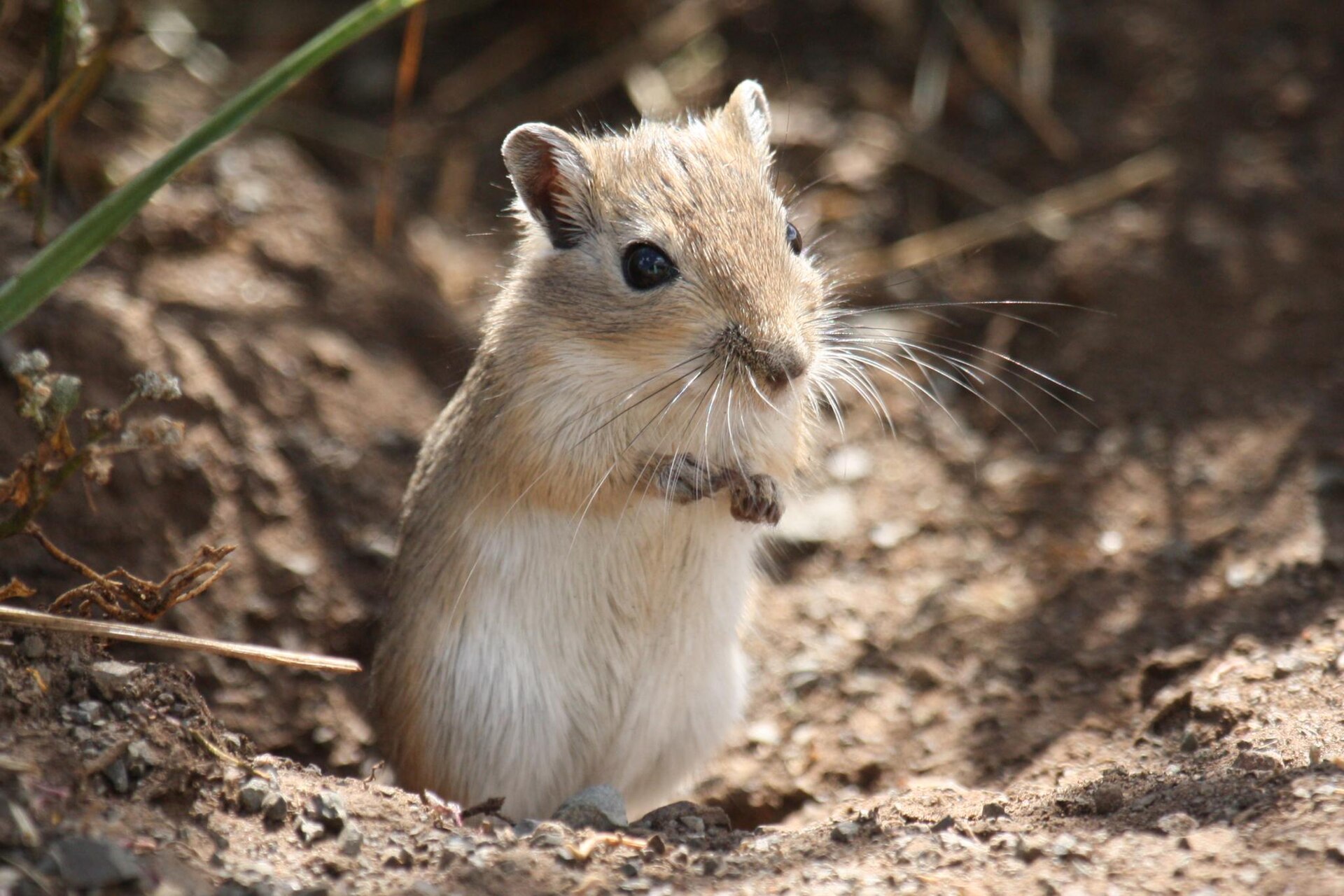
Mongolian gerbil
Meriones unguiculatus
Desert diggers that love company.
Pet trade

Acacia rat
Thallomys paedulcus
Pet trade

Arabian spiny mouse
Acomys dimidiatus
Pet trade

Barbary striped grass mouse
Lemniscomys barbarus
Pet trade