
Home / Reptiles / Snakes / Colubridae / Andean milk snake
No federal permit to keepAndean milk snake
Lampropeltis micropholis
Reptiles › Snakes (Serpentes) › Colubridae (Colubrid snakes)
Lampropeltis micropholis, commonly known as the Ecuadorian milk snake, is a species of milk snake.
From Wikipedia: Lampropeltis micropholis, CC BY-SA 4.0 (excerpt)

Care at a glance
Setup
One answer per setting. Where sources differ, the smaller figure is the minimum and the larger is what we recommend.
| Adult enclosure | 72”L x 36”W x 24”H Minimum acceptable enclosure size for 5-6 foot long subspecies. | dubiaroaches.com |
| Hot spot | At least 85°F Preferably 90°F To allow effective thermoregulation. | dubiaroaches.com |
| Cool side | At least 70°F Preferably 80°F To maintain a proper temperature range across the enclosure. | dubiaroaches.com |
| Humidity | At least 40% Preferably 60% To keep the pet healthy and prevent illness. | reptifiles.com |
| Substrate | 4” To cushion the snake's body and maintain correct humidity levels. | dubiaroaches.com |
| Food | 14 days Feeding schedule for adult snakes. | dubiaroaches.com |
Care guide
By age
| Juveniles | Feeding: Should be fed once every 5-7 days. | dubiaroaches.com |
| Adults | Feeding: Should be fed once every 14 days. | dubiaroaches.com |
Understanding the animal
Localities
Localities
Keepers buy these by where the bloodline comes from. Care is basically the same; size, color and temperament can differ. “Breeder-reported” details still need a published source.
| andesiana | Found in Huila (Colombia), and Venezuela (Tachira, Mérida). | Published reptile-database.reptarium.cz |
| gaigae | Found in mountains in Costa Rica, Panamá. | Published reptile-database.reptarium.cz |
| micropholis | Found in Costa Rica, Panamá, Columbia, Venezuela, Ecuador. | Published reptile-database.reptarium.cz |
In the wild
In the wild
Researched for this exact species, not its family. Wild conditions are context, not enclosure settings.12
| Where it lives | Milksnakes inhabit diverse environments ranging from arid regions and grasslands to tropical forests. |
| Active | Milksnakes function as nocturnal snakes in the wild. |
| Social life | Milksnakes are not social species and keeping them together causes unnecessary stress. |
| Wild diet | Wild milksnakes eat other snakes, small mammals, lizards, birds, and eggs. |
| Behavior to plan for | Some milksnakes are ophiophagus, which means they eat other snakes, creating cannibalism risks. |
Profile
Profile
Researched for this exact species. Sources are listed under In the wild above.
Keeper tips
- Milksnakes tolerate human interaction quite well due to their docile nature and hardiness.
Remarkable facts
- With good care, these snakes are capable of living 20 years or more.
- The Andean milk snake typical adult total length reaches 60-72 inches.
Sources for this sheet
- Milksnake care sheet (dubiaroaches.com) Experienced keeper or breederKeeper care guide.
- Milksnake care sheet (reptifiles.com) Experienced keeper or breederKeeper care guide.
- The Reptile Database: Lampropeltis micropholis Zoo, university or veterinaryTaxonomy, distribution and literature for every reptile species.
- Wikipedia: Lampropeltis micropholis (CC BY-SA 4.0) Community referenceEncyclopedia article.
- The Reptile Database Peer-reviewed researchScientist-curated catalog of every reptile species, with taxonomy and literature.
- GBIF Backbone Taxonomy (Global Biodiversity Information Facility) (CC BY 4.0) Peer-reviewed researchInternational scientific taxonomy used here for classification. GBIF Secretariat (2023). GBIF Backbone Taxonomy. Checklist dataset https://doi.org/10.15468/39omei, accessed via GBIF.org.
- Wikipedia (species article) (CC BY-SA 4.0) Community referenceFree encyclopedia; useful overviews with their own citations. Short excerpts are quoted under CC BY-SA 4.0, each credited with a link to its article.
More colubrid snakes
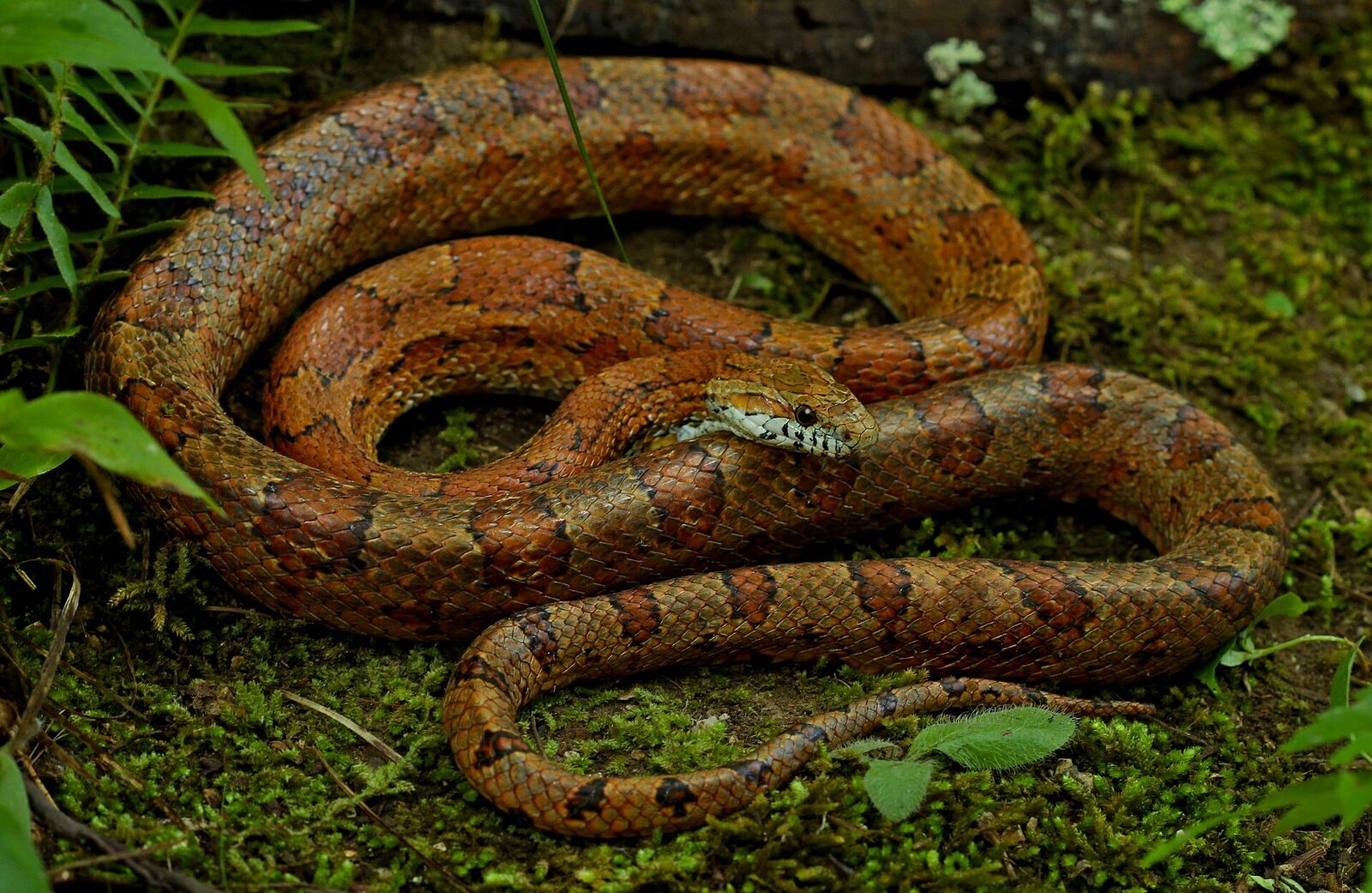
Corn snake
Pantherophis guttatus
Hardy, easy-going and colorful.
Pet trade
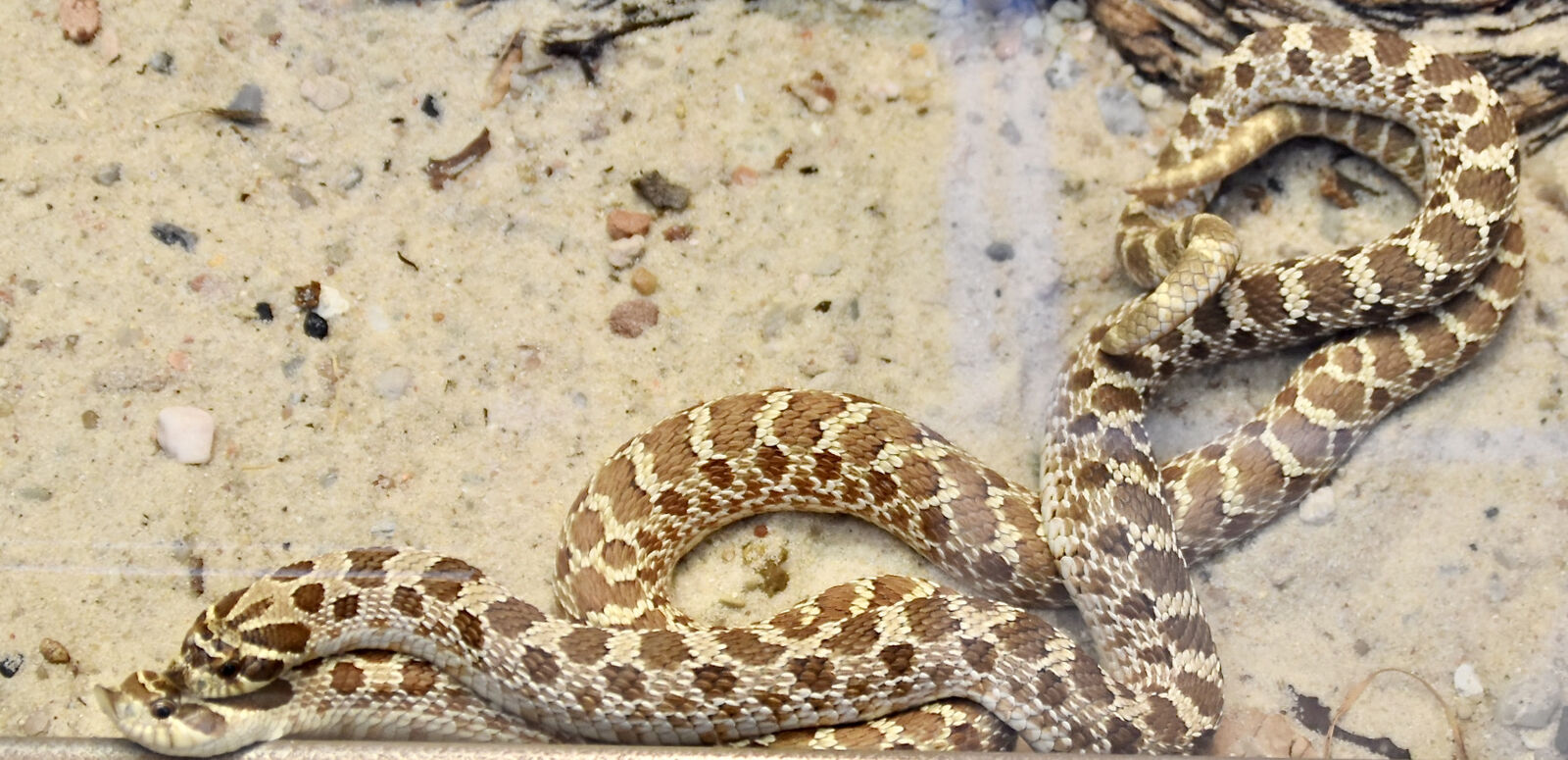
Western hognose snake
Heterodon nasicus
Dramatic bluffs from a tiny, upturned-nose snake.
Pet trade

Amur (Russian) rat snake
Elaphe schrenckii
Pet trade

Arizona mountain kingsnake
Lampropeltis pyromelana
Pet trade

Baird's rat snake
Pantherophis bairdi
Pet trade

Banded Mangrove Snake
Boiga melanota
Pet trade