
Home / Fishes / Tetras, piranhas and pacus / Characidae / Blue tetra
No federal permit to keepBlue tetra
Mimagoniates microlepis
Fishes › Tetras, piranhas and pacus (Characiformes) › Characidae (Tetras)
Mimagoniates microlepis, also known as the blue tetra (a common name shared with Tyttocharax madeirae, Knodus borki, and possibly other Characidae, as well), the croaking tetra (a name also applied to Mimagoniates inequalis and Mimagoniates…

Care at a glance
Species care notes
Read the full care sheet at Seriously Fish: habitat, aquarium size, water conditions, diet, behaviour and breeding.
Understanding the animal
About this animal
About this animal
First identified by Franz Steindachner in 1876 and named Paragoniates microlepis, it has also been identified as Coelurichthys iporangae (Miranda-Ribeiro, 1908), Coelurichthys lateralis, and Mimagoniates iporangae (McAllister, 1990) besides its current taxonomic classification. There is evidence of a variety called M. microlepis 'Joinville' which might be synonymous with Paragoniates microlepis.
From Wikipedia: Mimagoniates microlepis, CC BY-SA 4.0 (excerpt)
In the wild
In the wild
From this species’ own FishBase record (habitat, bottom type, water and breeding data), not its family. Wild conditions are context, not enclosure settings.1
| Where it lives | Lives in freshwater, in rivers and streams. Uses both the bottom and open water. |
| Climate | Tropical climate. |
| Behavior to plan for | Breeding: open water/substratum egg scatterers. |
Data and studies
The numbers
The numbers
Each bar is what one source reports. Where several sources weigh in, the dashed gold band marks their average.
Adult length
Maximum recorded length. Measured as standard length (snout to the base of the tail, not counting the tail fin). Fish in home aquariums often stay smaller than wild records.
Sources for this sheet
- FishBase (Froese & Pauly, eds.), version 24.07 (CC BY-NC 4.0) Peer-reviewed researchThe global scientific database on fishes, maintained by a consortium of research institutions; every value is referenced.
- Seriously Fish species profiles Experienced keeper or breederLong-running aquarium reference written and peer-checked by experienced fishkeepers and ichthyologists; each profile covers habitat, tank size, water, diet, behaviour and breeding.
- Wikipedia (species article) (CC BY-SA 4.0) Community referenceFree encyclopedia; useful overviews with their own citations. Short excerpts are quoted under CC BY-SA 4.0, each credited with a link to its article.
More tetras
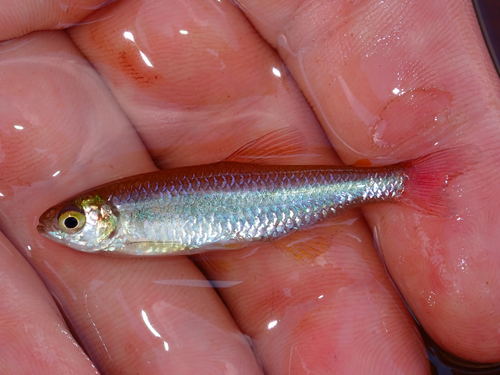
Aphyocharax dentatus
Aphyocharax dentatus
Aquarium hobby
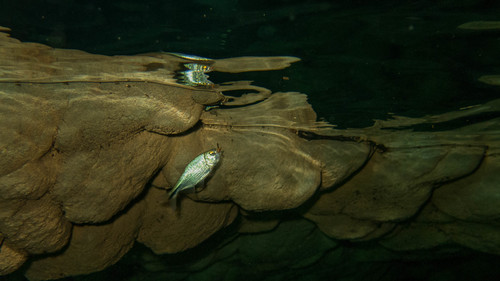
Astyanax lineatus
Astyanax lineatus
Aquarium hobby

Axelrodia stigmatias
Axelrodia stigmatias
Aquarium hobby
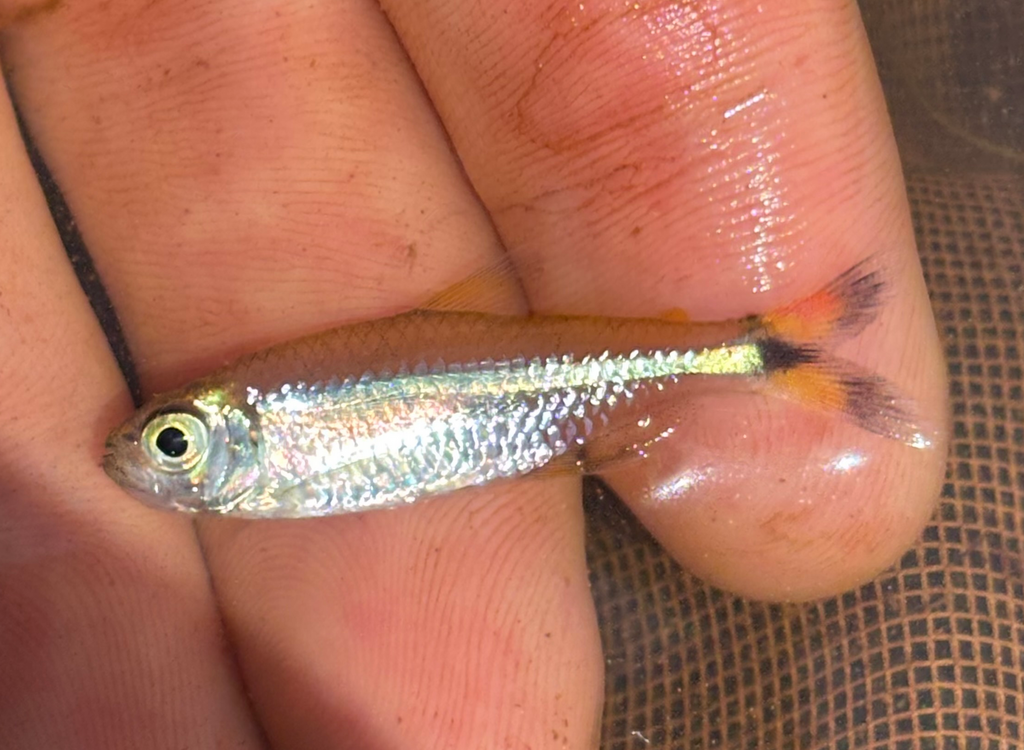
Bandtail tetra
Moenkhausia dichroura
Aquarium hobby

Black neon tetra
Hyphessobrycon herbertaxelrodi
Aquarium hobby

Black phantom tetra
Hyphessobrycon megalopterus
Aquarium hobby