
Home / Mammals / Rodents / Brazilian guinea pig
No federal permit to keepBrazilian guinea pig
Cavia aperea
Mammals › Rodents (Rodentia) › Caviidae (Guinea pigs, maras, capybaras)

Care at a glance
Setup
One answer per setting. Where sources differ, the smaller figure is the minimum and the larger is what we recommend.
| Adult enclosure | A conventional hutch combined with a large grassy pen the animals can always reach Rabbit hutches alone are usually too small | oocities.org |
| Enclosure | No published minimum for this species. Closest source: A conventional hutch combined with a large grassy pen they can reach at all times | oocities.org |
| Bedding | Clean wood-chips, hay and shredded paper, or a dry mixture of soil and sand | oocities.org |
| Chewing | Tree branches, cuttlefish bone, pumice stone To satisfy their need to gnaw | oocities.org |
| Food | Proprietary Guinea Pig food and Chinchilla pellets; about 125g of food per day | oocities.org |
| Fresh foods | At least 10 mg/kg/day Preferably 30 mg/kg/day during pregnancy | oocities.org |
| Water | Clean drinking water at all times; about 100 ml per day | oocities.org |
| Social housing | Pairs or trios of one male to two females; never on their own Single animals are lonely and morose | oocities.org |
Care guide
By age
| Baby | Feeding: Able to eat solid food within the first day of life; usually suckle for the first 3 weeks | oocities.org |
- Severe hair loss and intense itching: Mange, a microscopic mite that burrows beneath the skin. oocities.org
- Injuries: An abundance of males in the colony can lead to fighting. oocities.org
Understanding the animal
In the wild
In the wild
Researched for this exact species, not its family. Wild conditions are context, not enclosure settings.12
| Where it lives | Widespread in South America between 400 and 3,000 m (1,300 to 9,800 ft) elevation. |
| Active | Active by day, foraging mostly in the early morning and again in the evening. |
| Behavior to plan for | Doesn't burrow; makes mazes of surface tunnels through dense grass instead. |
Profile
Profile
Researched for this exact species. Sources are listed under In the wild above.
Keeper tips
- Nervous animals that do not enjoy being handled, although they can become quite trusting in time.
Remarkable facts
- About 4-5 years in the wild; up to 8 years recorded in captivity.
- Adults are about 272 mm (11 in) long and weigh about 637 grams (22.5 oz).
Data and studies
Veterinary & husbandry research
Veterinary & husbandry research
- The mitochondrial genome of Cavia aperea. et al., Mitochondrial DNA. Part B, Resources 2020
- Detection of a novel hepacivirus in wild cavies (Cavia aperea aperea). et al., Archives of virology 2024
- Gastrointestinal parasites of cavy (Cavia aperea aperea) in southern Brazil. et al., Research in veterinary science 2010
- Detection of human Mastadenovirus C in wild guinea pigs (Cavia aperea aperea) feces. et al., Brazilian journal of microbiology: [publication of the Brazilian Society for Microbiology] 2022
Peer-reviewed papers that mention this species alongside captivity, zoos, veterinary care or aquaculture. Some cover several species or mention it only in passing, so check the abstract. PubMed
Sources for this sheet
- Braziliancavy (oocities.org) Community referenceWeb page.
- Wikipedia: Cavia aperea (CC BY-SA 4.0) Community referenceEncyclopedia article.
- GBIF Backbone Taxonomy (Global Biodiversity Information Facility) (CC BY 4.0) Peer-reviewed researchInternational scientific taxonomy used here for classification. GBIF Secretariat (2023). GBIF Backbone Taxonomy. Checklist dataset https://doi.org/10.15468/39omei, accessed via GBIF.org.
- PubMed (U.S. National Library of Medicine) Peer-reviewed researchIndex of peer-reviewed veterinary, zoo and husbandry research.
More guinea pigs, maras, capybaras
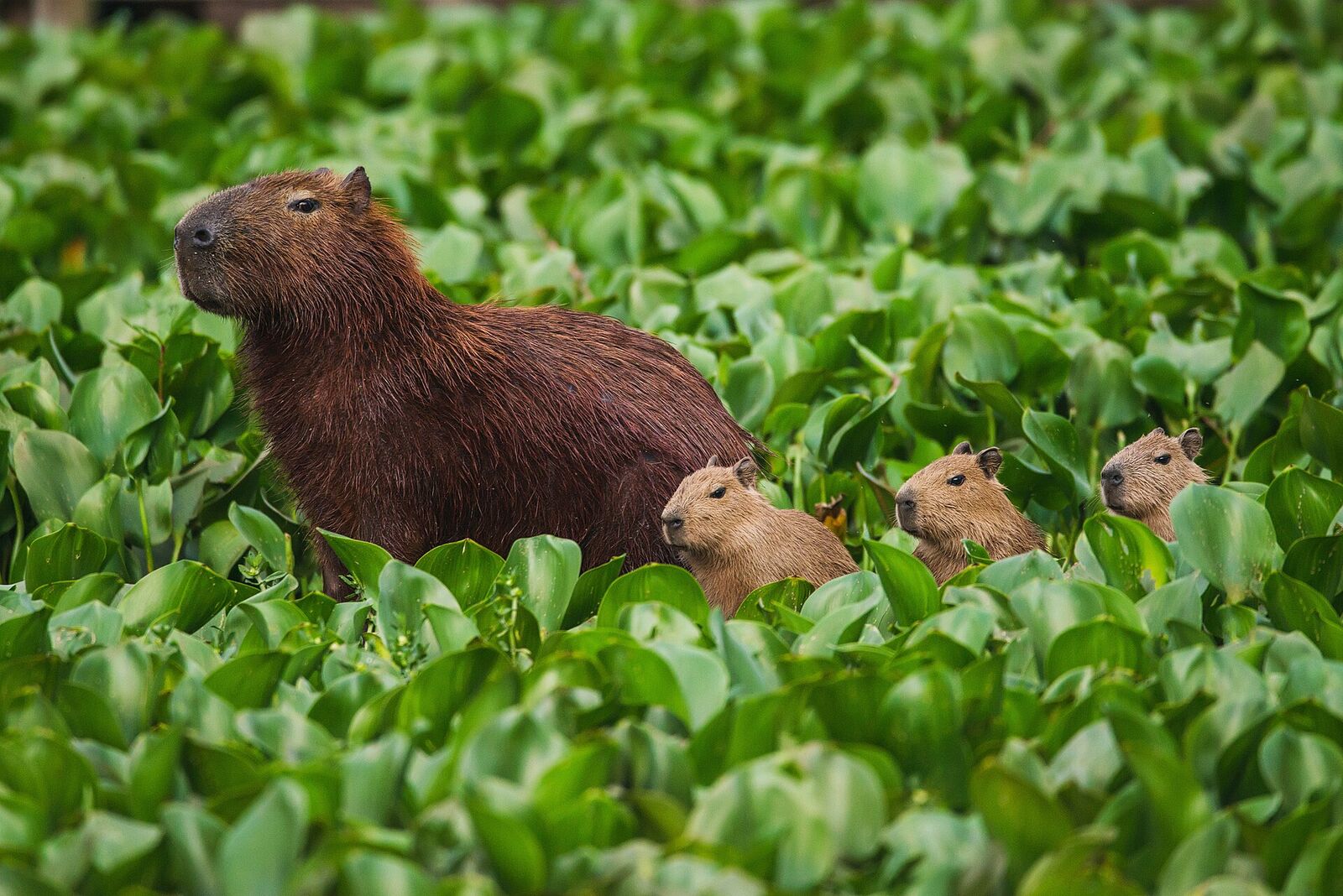
Capybara
Hydrochoerus hydrochaeris
The world's largest rodent, and it needs a pool.
Pet trade
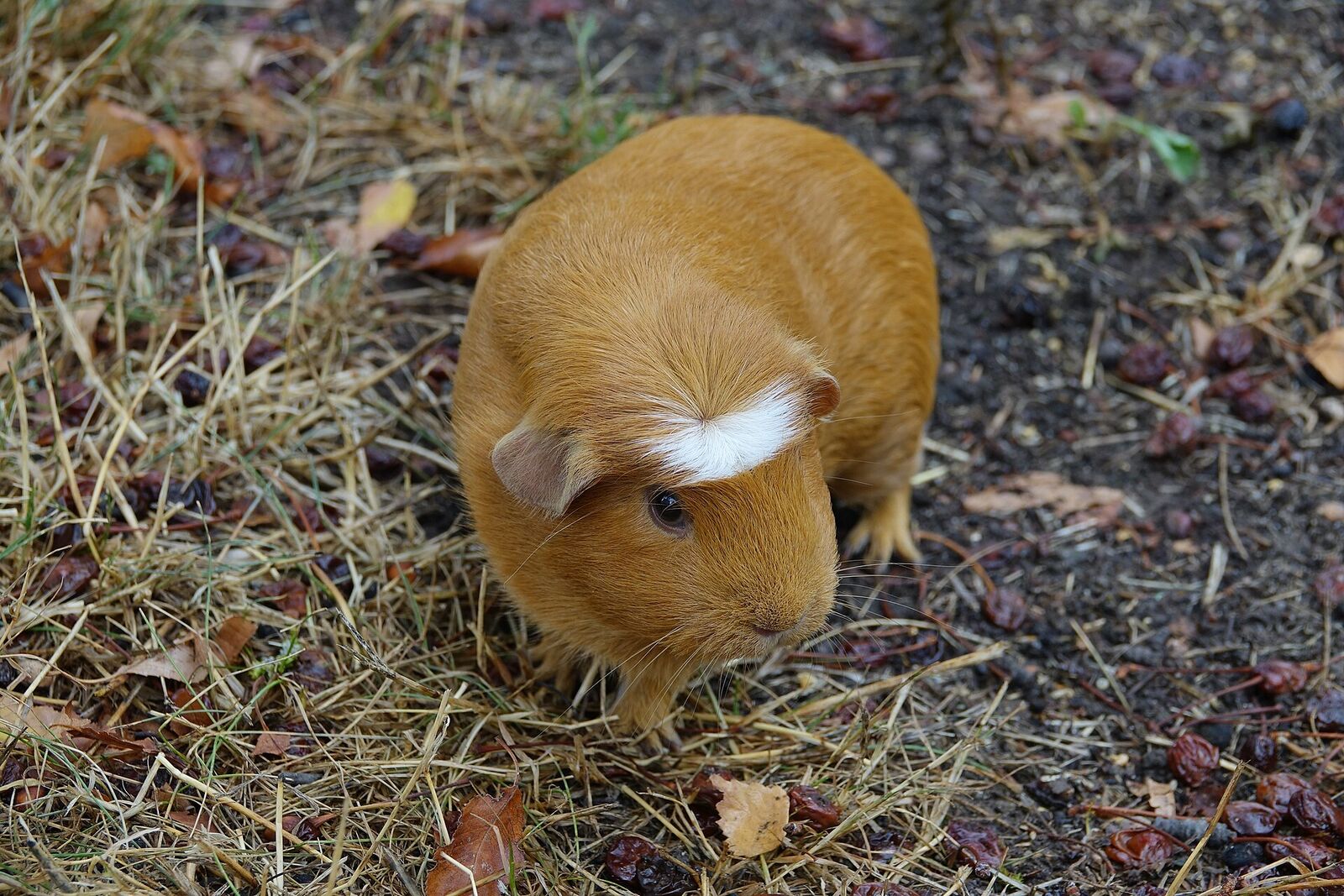
Guinea pig
Cavia porcellus
Chatty, social and built for grazing.
Pet trade
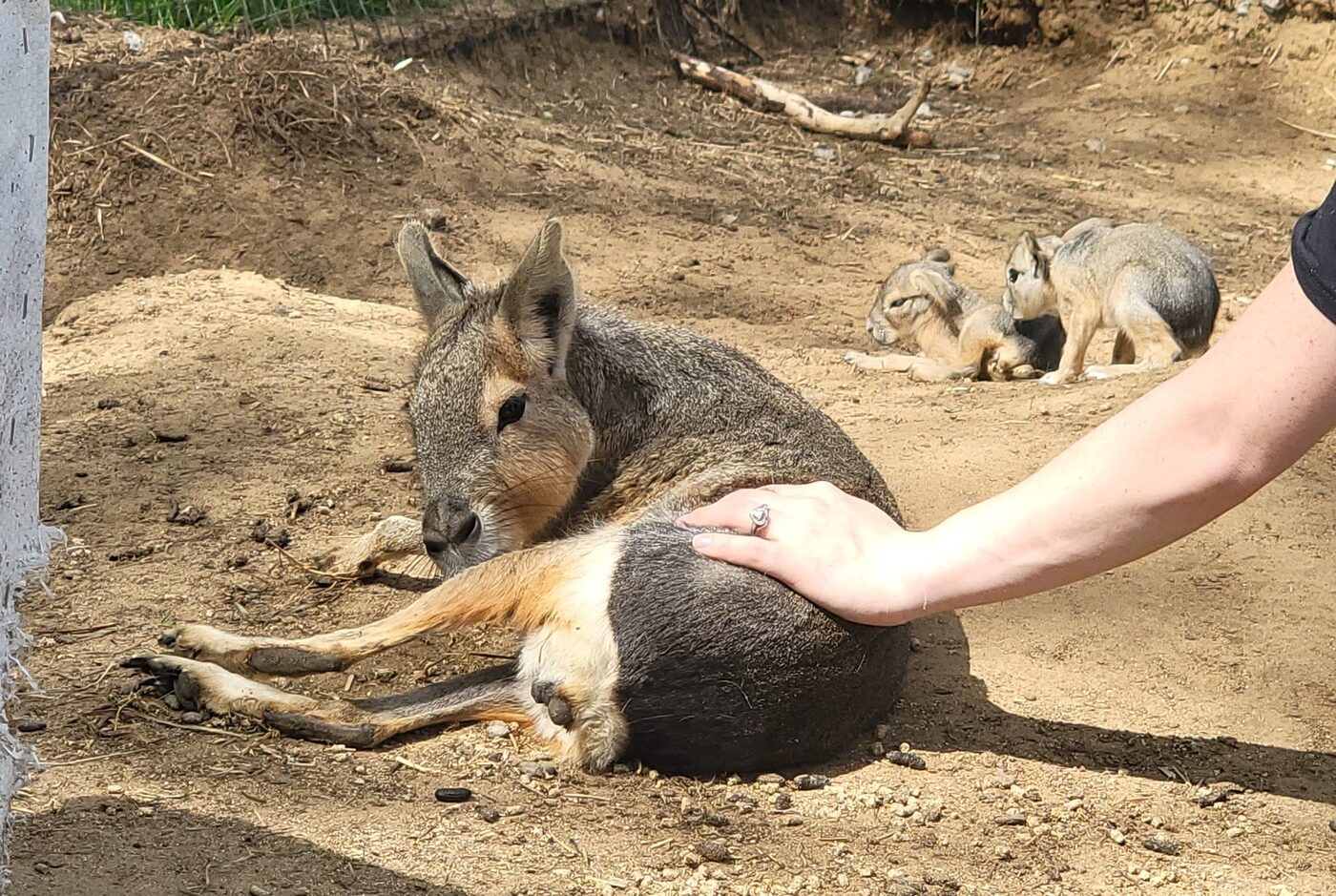
Patagonian mara
Dolichotis patagonum
A rodent that runs like a deer and pairs for life.
Pet trade