
Home / Reptiles / Lizards / Varanidae / Yellow Tree Monitor
Some federal rules applyYellow Tree Monitor
Varanus reisingeri
Reptiles › Lizards (Lacertilia) › Varanidae (Monitor lizards)
Varanus reisingeri, known commonly as Reisinger's tree monitor and the Yellow tree monitor, is a species of monitor lizard in the family Varanidae.
From Wikipedia: Varanus reisingeri, CC BY-SA 4.0 (excerpt)

Care at a glance
Species-specific values
Values researched for this exact species. Air, surface and water temperatures are listed separately, and each source is kept as published rather than averaged.
| Minimum enclosure | Minimum enclosure is 1.8 m tall, 1.2 m wide, and 0.6 m deep. Source: reptiletalk.net | |
| Basking surface temperature | 111–118 °F (44–48 °C) Source: reptiletalk.net | |
| Warm side air temperature | 81–90 °F (27–32 °C) Source: reptiletalk.net | |
| Night temperature | 75 °F (at least 24 °C) Source: reptiletalk.net | |
| Humidity | at least 70 % Source: reptiletalk.net | |
| Uvb lighting | Lighting runs on a twelve-hour cycle; the keeper uses a 5.0 UVB light. Source: reptiletalk.net | |
| Diet | A varied diet mainly of insects, with occasional meaty items such as rodents, birds, shrimp, ground turkey, and cooked eggs. Source: reptiletalk.net | |
| Feeding frequency | Feed daily. Source: reptiletalk.net | |
| Substrate | Use moisture-retaining substrates such as moss, eco earth, dirt, or finely shredded cypress mulch mixes; avoid sand, pebbles, and rocks. Source: reptiletalk.net |
Understanding the animal
About this animal
About this animal
The species is endemic to Indonesia. It was at one point at least considered an allopatric insular subspecies of the green tree monitor, due to physical and genetic similarities.
From Wikipedia: Varanus reisingeri, CC BY-SA 4.0 (excerpt)
In the wild
In the wild
| Overview | Varanus reisingeri, known commonly as Reisinger's tree monitor and the Yellow tree monitor, is a species of monitor lizard in the family Varanidae. The species is endemic to Indonesia. It was at one point at least considered an allopatric insular subspecies of the green tree monitor, due to physical and genetic similarities. — From Wikipedia: Varanus reisingeri, CC BY-SA 4.0 (excerpt) |
| Where it lives | The natural habitat of V. reisingeri is forest, from sea level to an altitude of 535 m. — From Wikipedia: Varanus reisingeri, CC BY-SA 4.0 (excerpt) |
Read about this species in the wild at The Reptile Database.
Profile
Profile
Researched for this exact species. Sources are listed under In the wild above.
Sources for this sheet
- Species+ (UNEP-WCMC and the CITES Secretariat) Zoo, university or veterinaryThe official database of species listed under CITES. UNEP (2026). The Species+ Website. Nairobi, Kenya. Compiled by UNEP-WCMC, Cambridge, UK. Available at: www.speciesplus.net. [Accessed 04/10/2026].
- USFWS International Affairs: CITES Zoo, university or veterinaryFederal agency that issues CITES permits.
- Myhrvold et al. (2015). An amniote life-history database. Ecology 96: 3109 Peer-reviewed researchPeer-reviewed compilation of life-history data for over 21,000 birds, mammals and reptiles.
- The Reptile Database Peer-reviewed researchScientist-curated catalog of every reptile species, with taxonomy and literature.
- GBIF Backbone Taxonomy (Global Biodiversity Information Facility) (CC BY 4.0) Peer-reviewed researchInternational scientific taxonomy used here for classification. GBIF Secretariat (2023). GBIF Backbone Taxonomy. Checklist dataset https://doi.org/10.15468/39omei, accessed via GBIF.org.
- Wikipedia (species article) (CC BY-SA 4.0) Community referenceFree encyclopedia; useful overviews with their own citations. Short excerpts are quoted under CC BY-SA 4.0, each credited with a link to its article.
- iNaturalist (captive observations) Community referenceCommunity observation platform run by the California Academy of Sciences and National Geographic; observations marked captive show animals living in homes, zoos and aquariums.
More monitor lizards
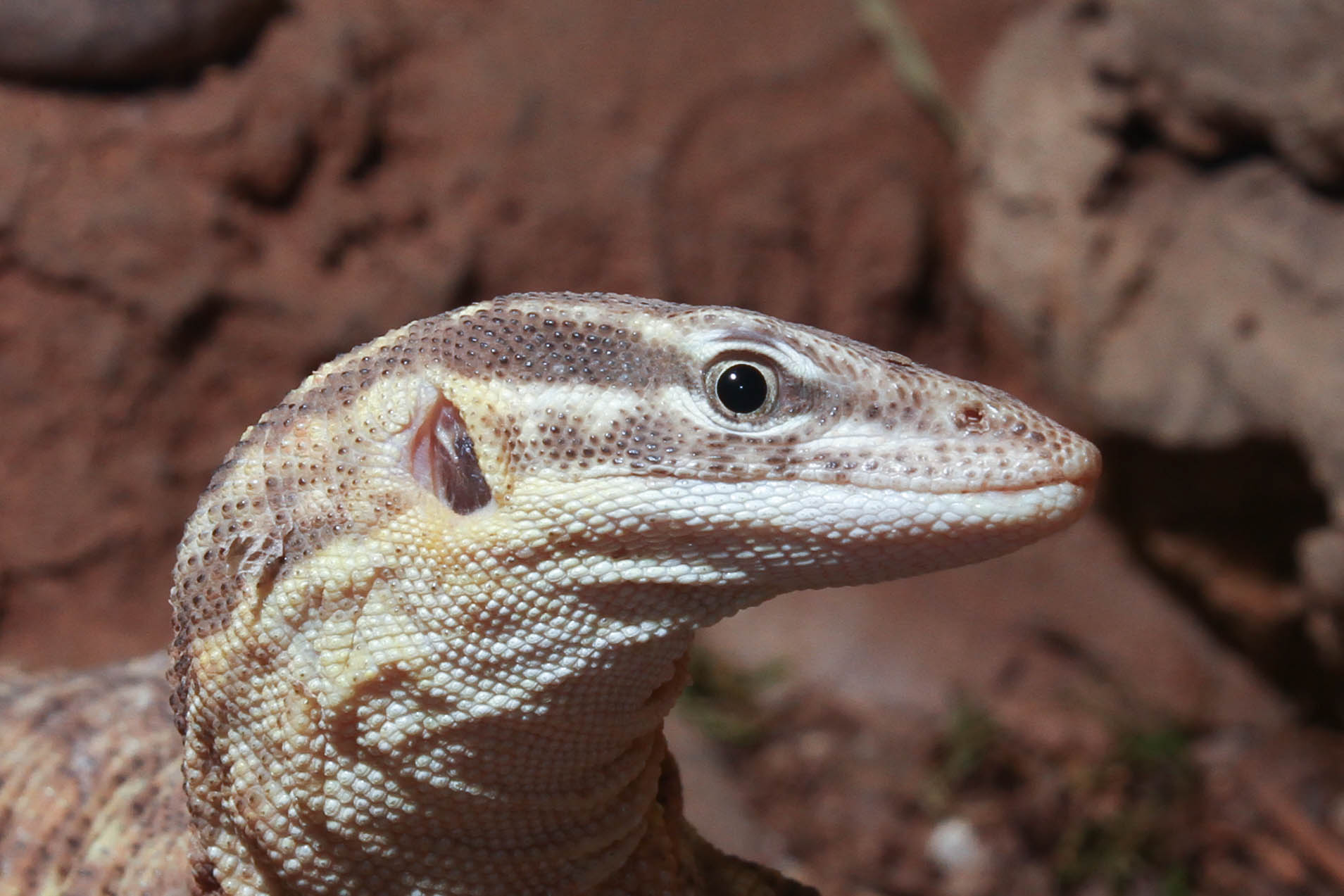
Ackie (spiny-tailed) monitor
Varanus acanthurus
A pint-sized monitor with a huge personality.
Pet trade
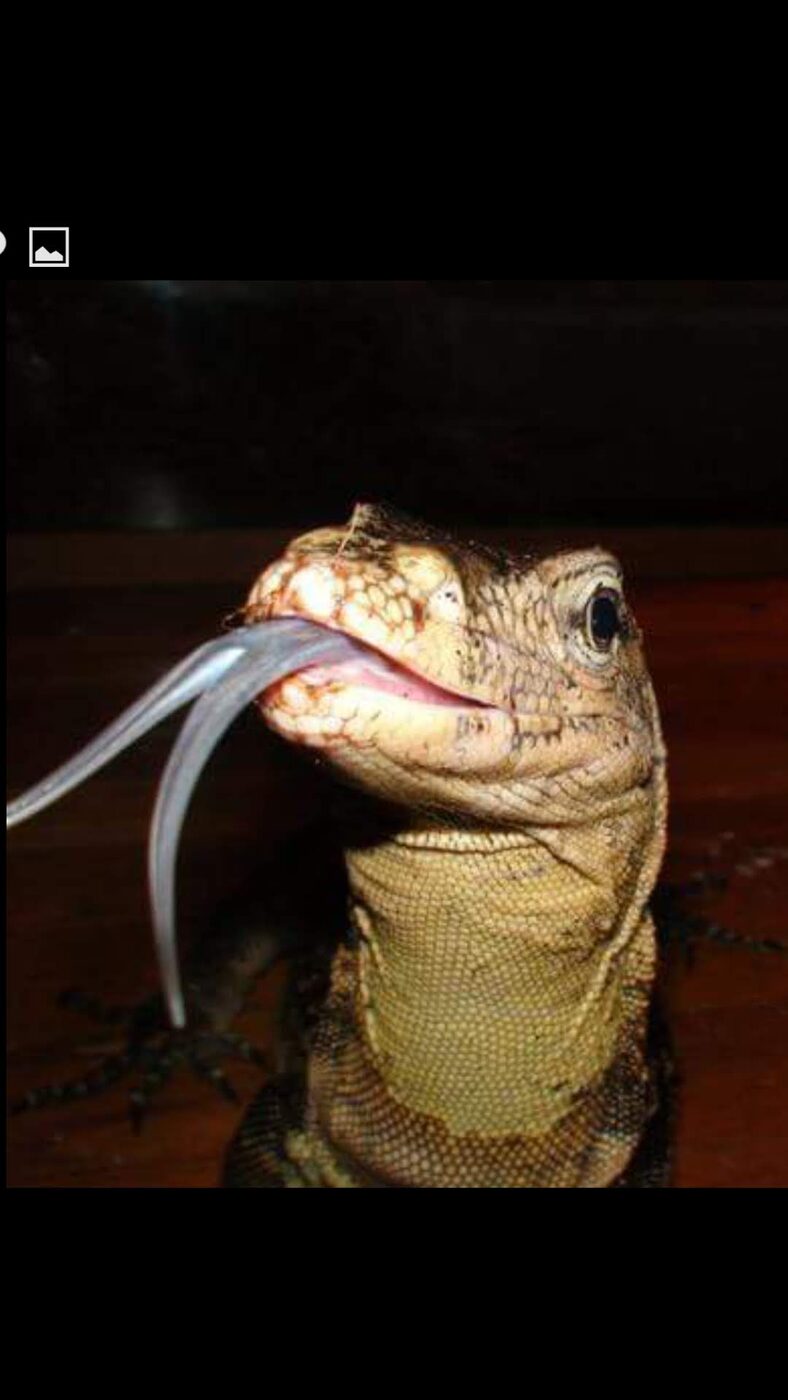
Asian water monitor
Varanus salvator
An intelligent, swimming giant: the "gentle giant" of monitors.
Pet trade
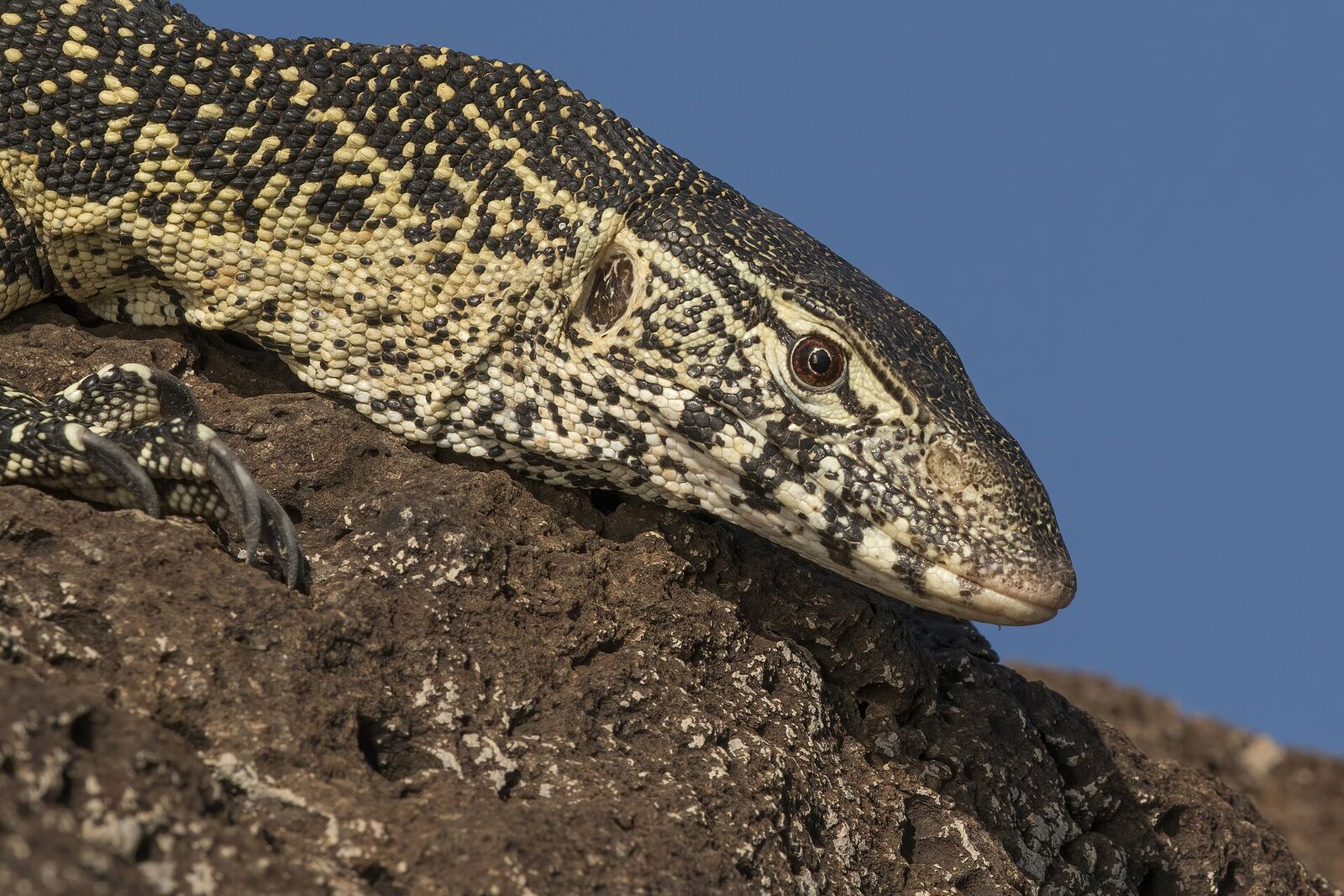
Nile monitor
Varanus niloticus
Africa's longest lizard, fast, bold and powerful.
Pet trade

Argus monitor
Varanus panoptes
Pet trade

Biak Emerald Monitor
Varanus kordensis
Pet trade

Black tree monitor
Varanus beccarii
Pet trade