
Home / Mammals / Rodents / Arctic ground squirrel
State permit usually requiredArctic ground squirrel
Urocitellus parryii
Mammals › Rodents (Rodentia) › Sciuridae (Squirrels and ground squirrels)
The Arctic ground squirrel is a species of ground squirrel in the squirrel family Sciuridae that is native to the Arctic and Subarctic regions of the Northern Hemisphere, mainly in North America and Asia.

Care at a glance
Setup
One answer per setting. Where sources differ, the smaller figure is the minimum and the larger is what we recommend.
| Adult enclosure | 12 x 19 x 12 inch lab cage, one per cage | pmc.ncbi.nlm.nih.gov |
| Temperature | At least 61°F Preferably 64°F | pmc.ncbi.nlm.nih.gov |
| Food | Standard rodent chow | pmc.ncbi.nlm.nih.gov |
| Hibernation | Moved to cold chambers at 2 °C with a 4L:20D light cycle | pmc.ncbi.nlm.nih.gov |
Warnings
Understanding the animal
About this animal
About this animal
It is the largest species in the genus Urocitellus, its range extends farther north than that of any other squirrel, and it is the only member of the squirrel family with a Holarctic distribution. For some people in Alaska, particularly around the Aleutian Islands, the rodents are known as "parka" squirrels, likely due to their pelts being used for the ruff on parkas and other cold-weather cl
From Wikipedia: Arctic ground squirrel, CC BY-SA 4.0 (excerpt)
Data and studies
Veterinary & husbandry research
Veterinary & husbandry research
- Tissue-specific telomere dynamics in hibernating arctic ground squirrels (Urocitellus parryii). et al., The Journal of experimental biology 2019
- Translating PUFA omega 6:3 ratios from wild to captive hibernators (Urocitellus parryii) enhances sex-dependent mass-gain without increasing physiological stress indicators. et al., Journal of comparative physiology. B, Biochemical, systemic, and environmental physiology 2022
- Seasonal changes in adenosine kinase in tanycytes of the Arctic ground squirrel (Urocitellus parryii). et al., Journal of chemical neuroanatomy 2021
- Seasonal decrease in thermogenesis and increase in vasoconstriction explain seasonal response to N(6) -cyclohexyladenosine-induced hibernation in the Arctic ground squirrel (Urocitellus parryii). et al., Journal of neurochemistry 2019
Peer-reviewed papers that mention this species alongside captivity, zoos, veterinary care or aquaculture. Some cover several species or mention it only in passing, so check the abstract. PubMed
Sources for this sheet
- Official websites use.gov (pmc.ncbi.nlm.nih.gov) Peer-reviewed researchPublished research.
- Wikipedia: Urocitellus parryii (CC BY-SA 4.0) Community referenceEncyclopedia article.
- GBIF Backbone Taxonomy (Global Biodiversity Information Facility) (CC BY 4.0) Peer-reviewed researchInternational scientific taxonomy used here for classification. GBIF Secretariat (2023). GBIF Backbone Taxonomy. Checklist dataset https://doi.org/10.15468/39omei, accessed via GBIF.org.
- Wikipedia (species article) (CC BY-SA 4.0) Community referenceFree encyclopedia; useful overviews with their own citations. Short excerpts are quoted under CC BY-SA 4.0, each credited with a link to its article.
- PubMed (U.S. National Library of Medicine) Peer-reviewed researchIndex of peer-reviewed veterinary, zoo and husbandry research.
More squirrels and ground squirrels
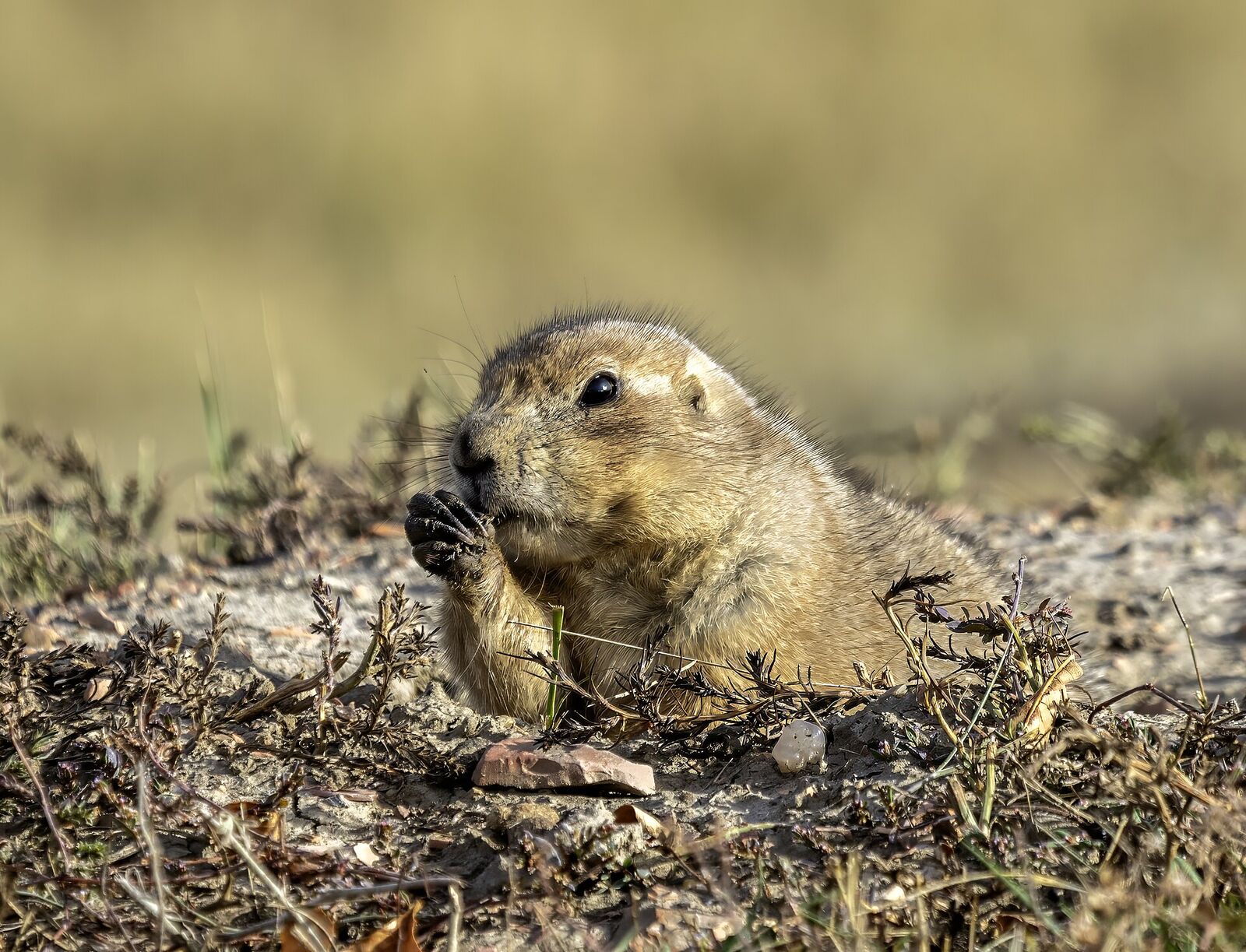
Black-tailed prairie dog
Cynomys ludovicianus
The most social of the ground squirrels.
Pet trade
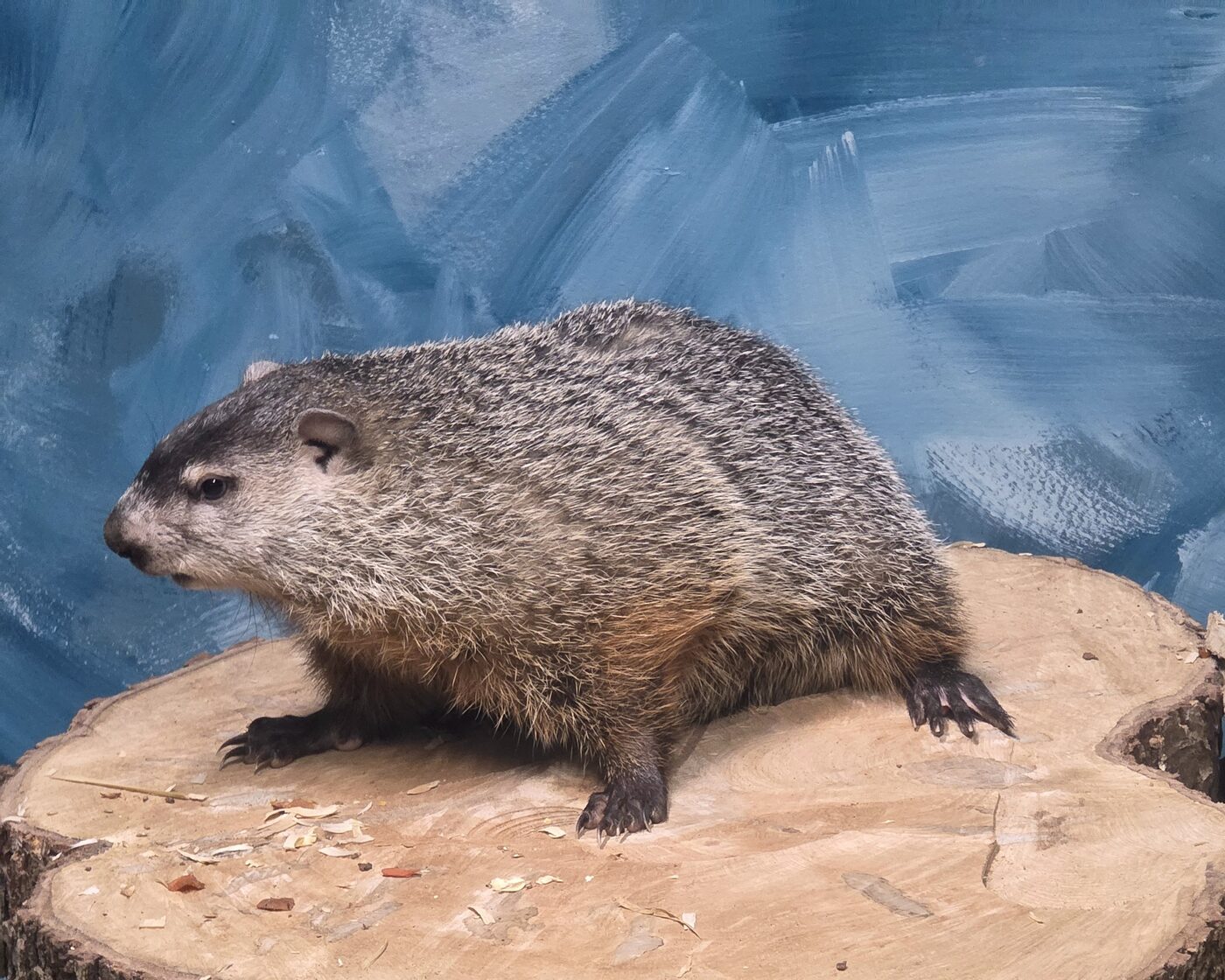
Groundhog (woodchuck)
Marmota monax
A true hibernator and master tunnel engineer.
Pet trade

American red squirrel
Tamiasciurus hudsonicus
Zoos & aquariums

Eastern gray squirrel
Sciurus carolinensis
Zoos & aquariums

European ground squirrel
Spermophilus citellus
Zoos & aquariums

Fox squirrel
Sciurus niger
Zoos & aquariums