
Home / Reptiles / Snakes / Boidae / Argentine boa
Some federal rules applyArgentine boa
Boa constrictor occidentalis
Reptiles › Snakes (Serpentes) › Boidae (Boas)
The Argentine boa is a large, heavy-bodied, nonvenomous constricting snake found mostly in tropical and subtropical areas in northern Argentina and Paraguay.
From Wikipedia: Boa constrictor occidentalis, CC BY-SA 4.0 (excerpt)
Care at a glance
Setup
One answer per setting. Where sources differ, the smaller figure is the minimum and the larger is what we recommend.
| Hot spot (air) | 86–90 °F Same as the main Common boa constrictor sheet. | reptifiles.com |
| Cool side | 75–80 °F Same as the main Common boa constrictor sheet. | reptifiles.com |
| Humidity | 70–95 % Same as the main Common boa constrictor sheet. | merckvetmanual.com |
| What's different | It is fundamentally more active than other subspecies of Boa constrictor. | boa-constrictors.com |
Understanding the animal
In the wild
In the wild
Researched for this exact species, not its family. Wild conditions are context, not enclosure settings.1
| Where it lives | The Argentine boa is a large, heavy-bodied, nonvenomous constricting snake found mostly in tropical and subtropical areas in northern Argentina and Paraguay. |
Profile
Profile
Researched for this exact species. Sources are listed under In the wild above.
Keeper tips
- In captivity, Argentine boas are fed mice, rats, rabbits, and even small birds.
Remarkable facts
- Adult males reach 6 to 8 feet, while adult females regularly reach lengths of 8 to 10 feet, or up to 13.13 feet.
Sources for this sheet
- Species+ (UNEP-WCMC and the CITES Secretariat) Zoo, university or veterinaryThe official database of species listed under CITES. UNEP (2026). The Species+ Website. Nairobi, Kenya. Compiled by UNEP-WCMC, Cambridge, UK. Available at: www.speciesplus.net. [Accessed 04/10/2026].
- USFWS International Affairs: CITES Zoo, university or veterinaryFederal agency that issues CITES permits.
- ReptiFiles: Boa constrictor temperatures and heating Experienced keeper or breederAdded in the 2026 source-checked care-guide review.
- Merck Veterinary Manual: Important Husbandry Requirements for Selected Reptiles Zoo, university or veterinaryAdded in the 2026 source-checked care-guide review.
- ! ! ! ! ! ! ! ! ! ! ! ! ! Latest Updates (boa-constrictors.com) Community referenceBreeder or hobbyist source; details are breeder-reported.
- Wikipedia: Boa constrictor occidentalis (CC BY-SA 4.0) Community referenceEncyclopedia article.
- The Reptile Database Peer-reviewed researchScientist-curated catalog of every reptile species, with taxonomy and literature.
- GBIF Backbone Taxonomy (Global Biodiversity Information Facility) (CC BY 4.0) Peer-reviewed researchInternational scientific taxonomy used here for classification. GBIF Secretariat (2023). GBIF Backbone Taxonomy. Checklist dataset https://doi.org/10.15468/39omei, accessed via GBIF.org.
- Wikipedia (species article) (CC BY-SA 4.0) Community referenceFree encyclopedia; useful overviews with their own citations. Short excerpts are quoted under CC BY-SA 4.0, each credited with a link to its article.
More boas
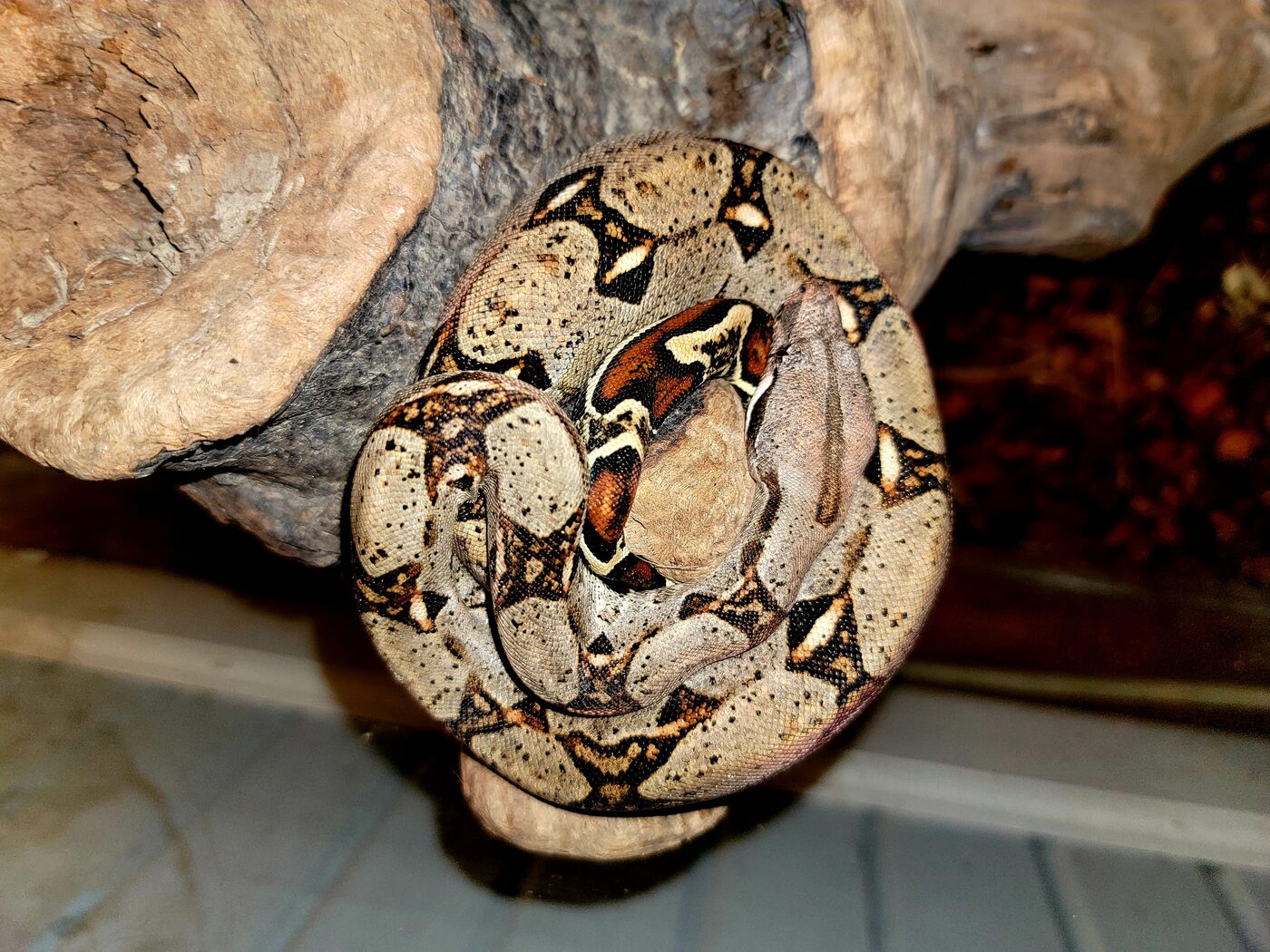
Common boa constrictor (red-tailed boa)
Boa constrictor
A powerful but famously steady big snake.
Pet trade
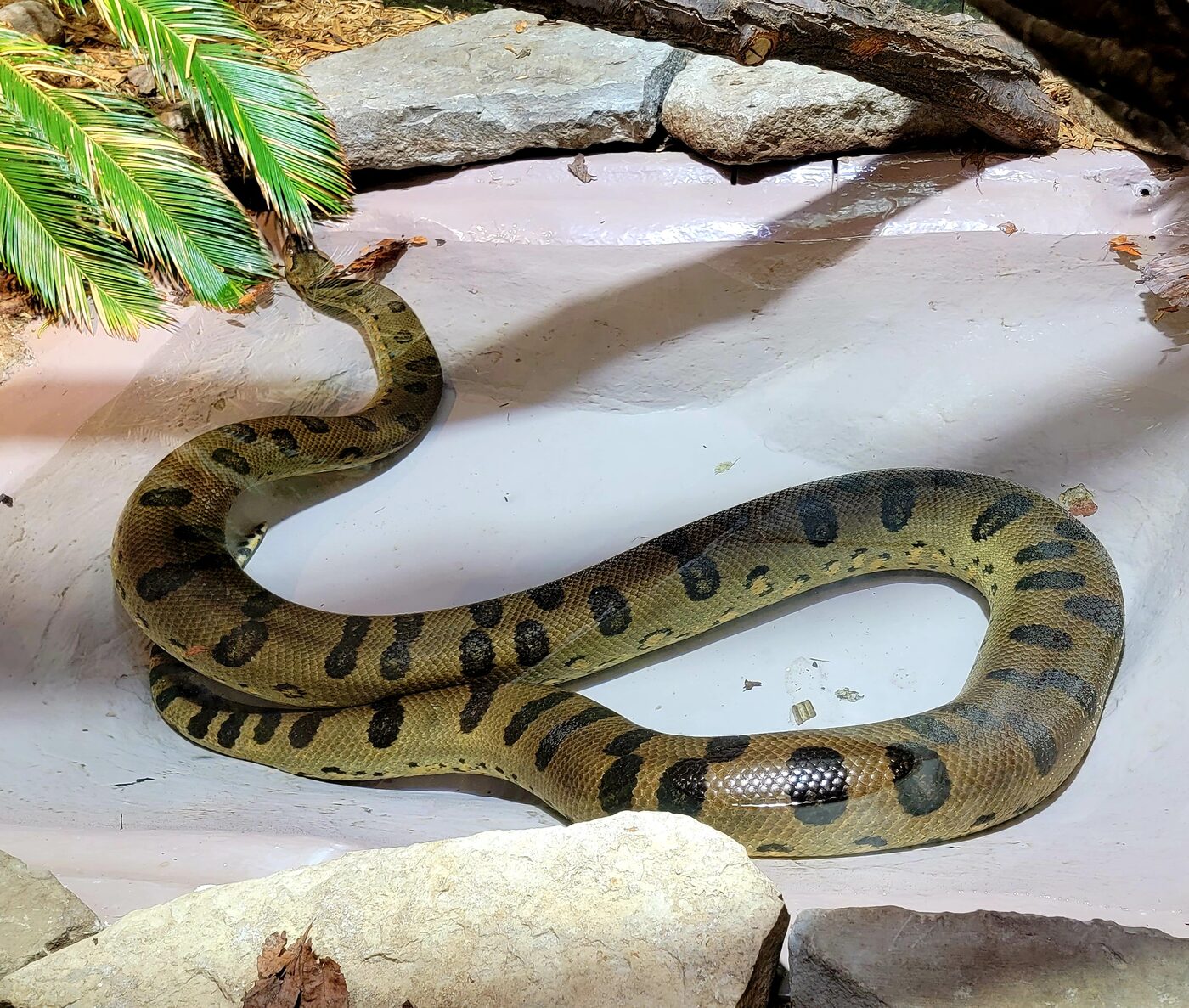
Green anaconda
Eunectes murinus
The heaviest snake on Earth, at home in the water.
Pet trade

Amazon basin emerald tree boa
Corallus batesii
Pet trade
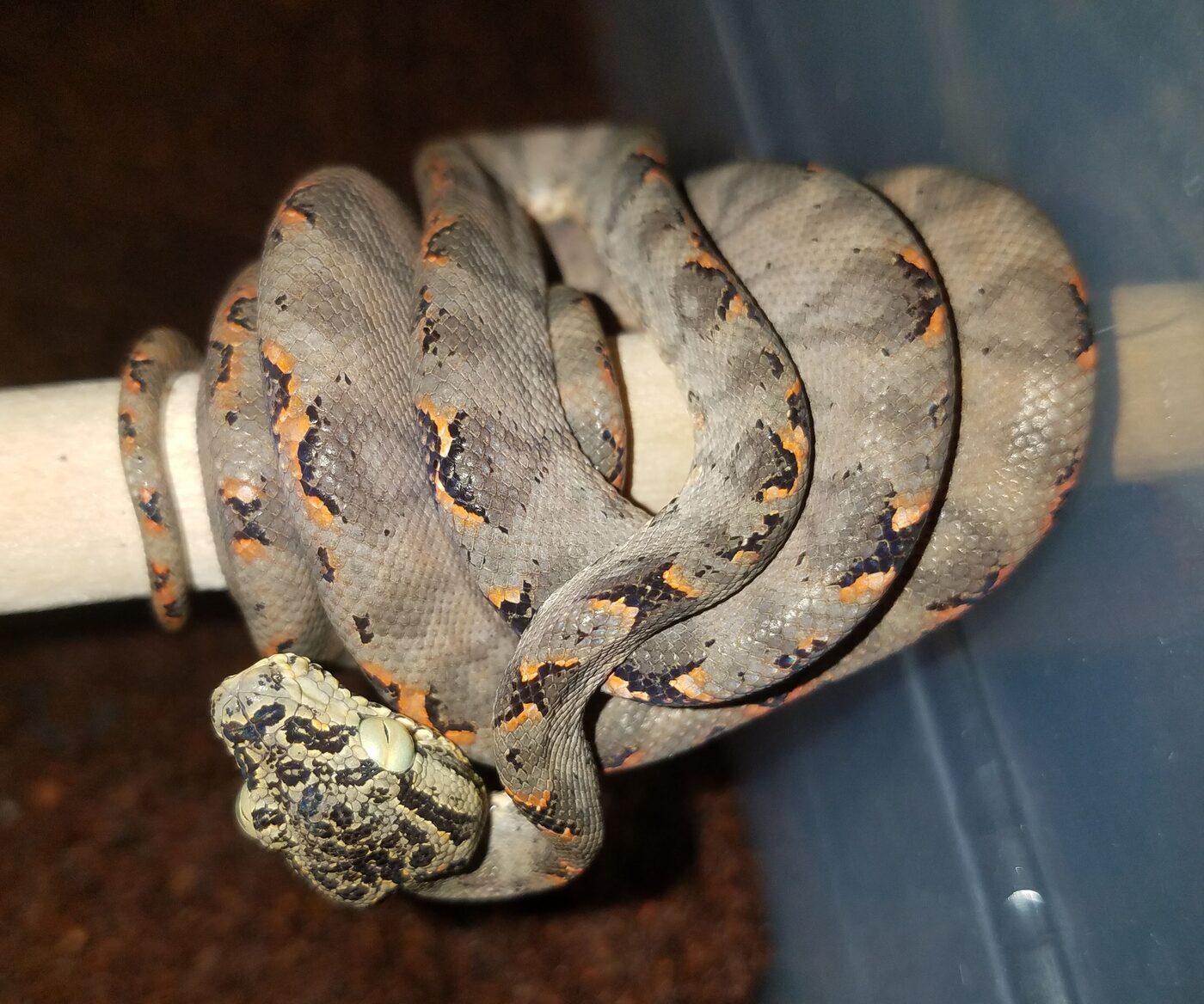
Amazon tree boa
Corallus hortulana
Pet trade

Annulated tree boa
Corallus annulatus
Pet trade

Arabian sand boa
Eryx jayakari
Pet trade