
Home / Mammals / Rodents / Bushy-tailed jird
No federal permit to keepBushy-tailed jird
Sekeetamys calurus
Mammals › Rodents (Rodentia) › Muridae (Rats, mice and gerbils)
The bushy-tailed jird or bushy-tailed dipodil (Sekeetamys calurus) is a species of rodent in the family Muridae.
From Wikipedia: Bushy-tailed jird, CC BY-SA 4.0 (excerpt)

Care at a glance
Species-specific values
Values researched for this exact species. Air, surface and water temperatures are listed separately, and each source is kept as published rather than averaged.
| Social housing | House in a family group or pairs; same-sex pairs can also be kept, especially if raised together. Source: multihobby.net | |
| Diet | Omnivorous, with a predominance of plant foods; provide hay, dried forage, and clean water continuously. Source: multihobby.net | |
| Feeding frequency | Offer fruit in small amounts at most once or twice weekly; feeder insects or larvae are also mentioned. Source: multihobby.net | |
| Substrate | Use 10–15 cm of dust-free shavings or another listed substrate, mixed with bark, dry leaves, and hay. Source: multihobby.net |
Warnings
Understanding the animal
About this animal
About this animal
It is the only species in the genus Sekeetamys. It is found in Egypt, Israel, Jordan, Saudi Arabia, and Sudan.
From Wikipedia: Bushy-tailed jird, CC BY-SA 4.0 (excerpt)
In the wild
In the wild
| Overview | The bushy-tailed jird or bushy-tailed dipodil (Sekeetamys calurus) is a species of rodent in the family Muridae. It is the only species in the genus Sekeetamys. It is found in Egypt, Israel, Jordan, Saudi Arabia, and Sudan. Its natural habitat is rocky areas. — From Wikipedia: Bushy-tailed jird, CC BY-SA 4.0 (excerpt) |
Read about this species in the wild at Animal Diversity Web.
Native climate (measured)
Native climate (measured)
| Warm-season highs | about 95°F (up to 100°F in the hottest sampled areas) |
| Cool-season lows | about 44°F (down to 38°F in the coldest sampled areas) |
| Average temperature | 64–75°F across sampled records |
| Relative humidity | 37–52% on average (driest month about 36%) |
| Rainfall | about 29 mm a year |
Measured at 29 wild occurrence records sampled against WorldClim 2.1 climate data (1970–2000 averages). Air conditions in the range are ecological context, not enclosure settings: microhabitats such as burrows, leaf litter or basking rocks can be cooler, warmer or more humid.
Data and studies
The numbers
The numbers
Each bar is what one source reports. Where several sources weigh in, the dashed gold band marks their average.
Maximum recorded lifespan
Longest recorded lifespan reported by each database; typical lifespans are usually shorter. The AnAge record comes from an animal in human care.
Typical adult weight
Average adult body mass in each database (FishBase gives the maximum recorded weight).
Litter size
Average per litter or clutch.
Sources for this sheet
- AnAge: The Animal Ageing and Longevity Database (Human Ageing Genomic Resources) (CC BY 3.0) Peer-reviewed researchCurated, referenced longevity and life-history records for thousands of species; maximum lifespans are often from zoo animals.
- Myhrvold et al. (2015). An amniote life-history database. Ecology 96: 3109 Peer-reviewed researchPeer-reviewed compilation of life-history data for over 21,000 birds, mammals and reptiles.
- 9 CFR 2.1: Animal Welfare Act licensing (USDA) Zoo, university or veterinaryWho needs a USDA license to breed, sell or exhibit animals.
- Wikipedia (species article) (CC BY-SA 4.0) Community referenceFree encyclopedia; useful overviews with their own citations. Short excerpts are quoted under CC BY-SA 4.0, each credited with a link to its article.
More rats, mice and gerbils
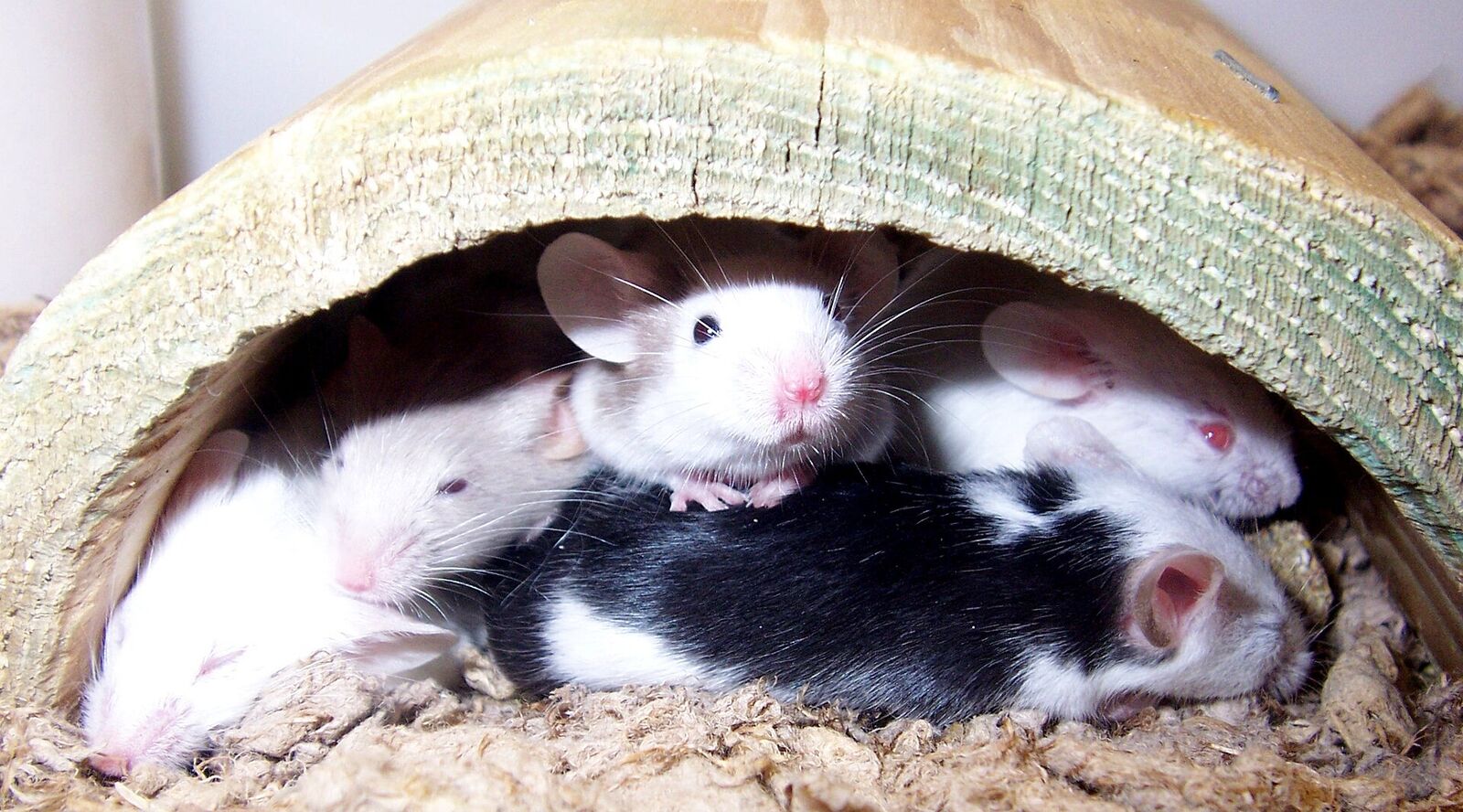
Fancy mouse
Mus musculus
Tiny, busy and fun to watch.
Pet trade
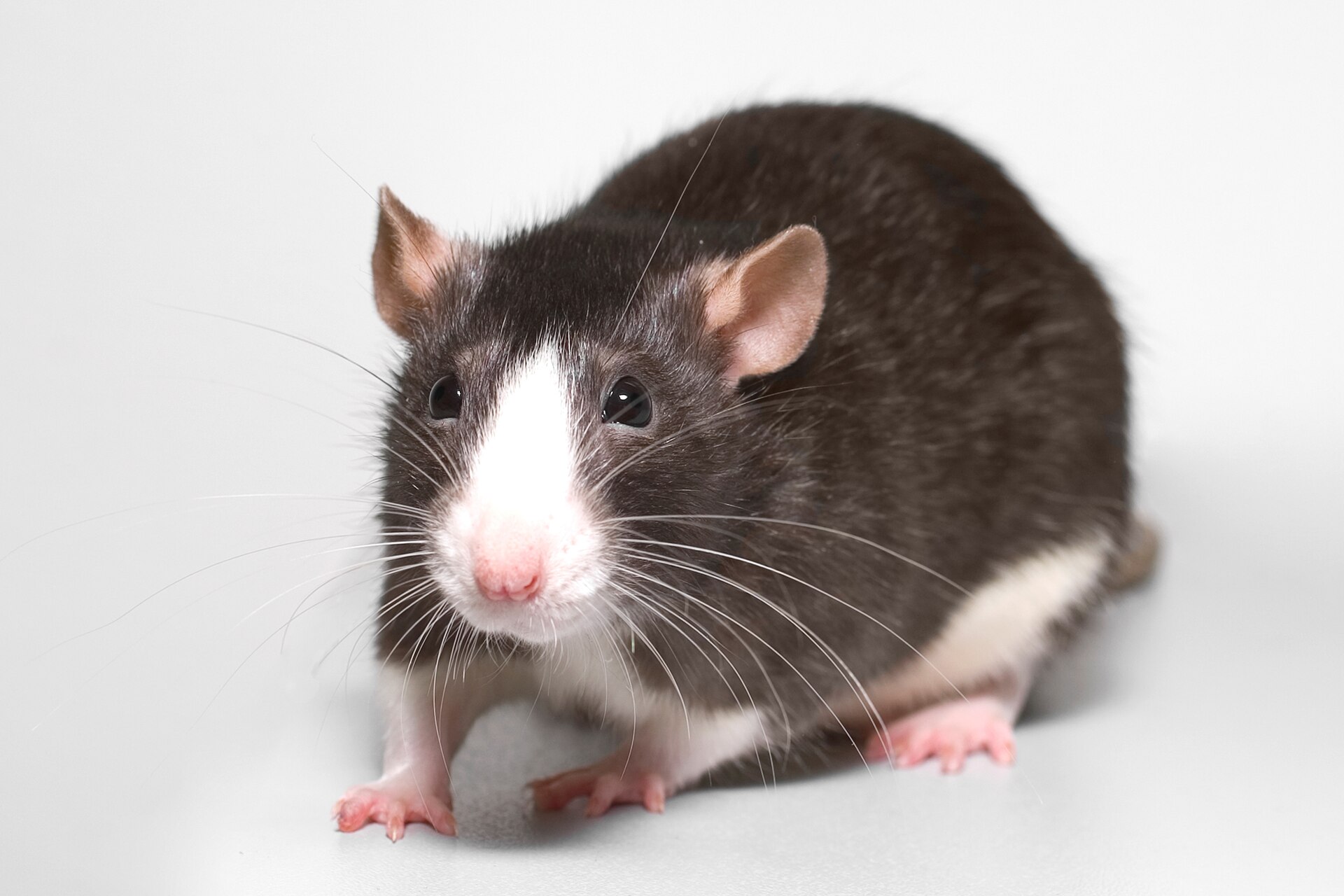
Fancy rat
Rattus norvegicus
Clever, affectionate and endlessly curious.
Pet trade
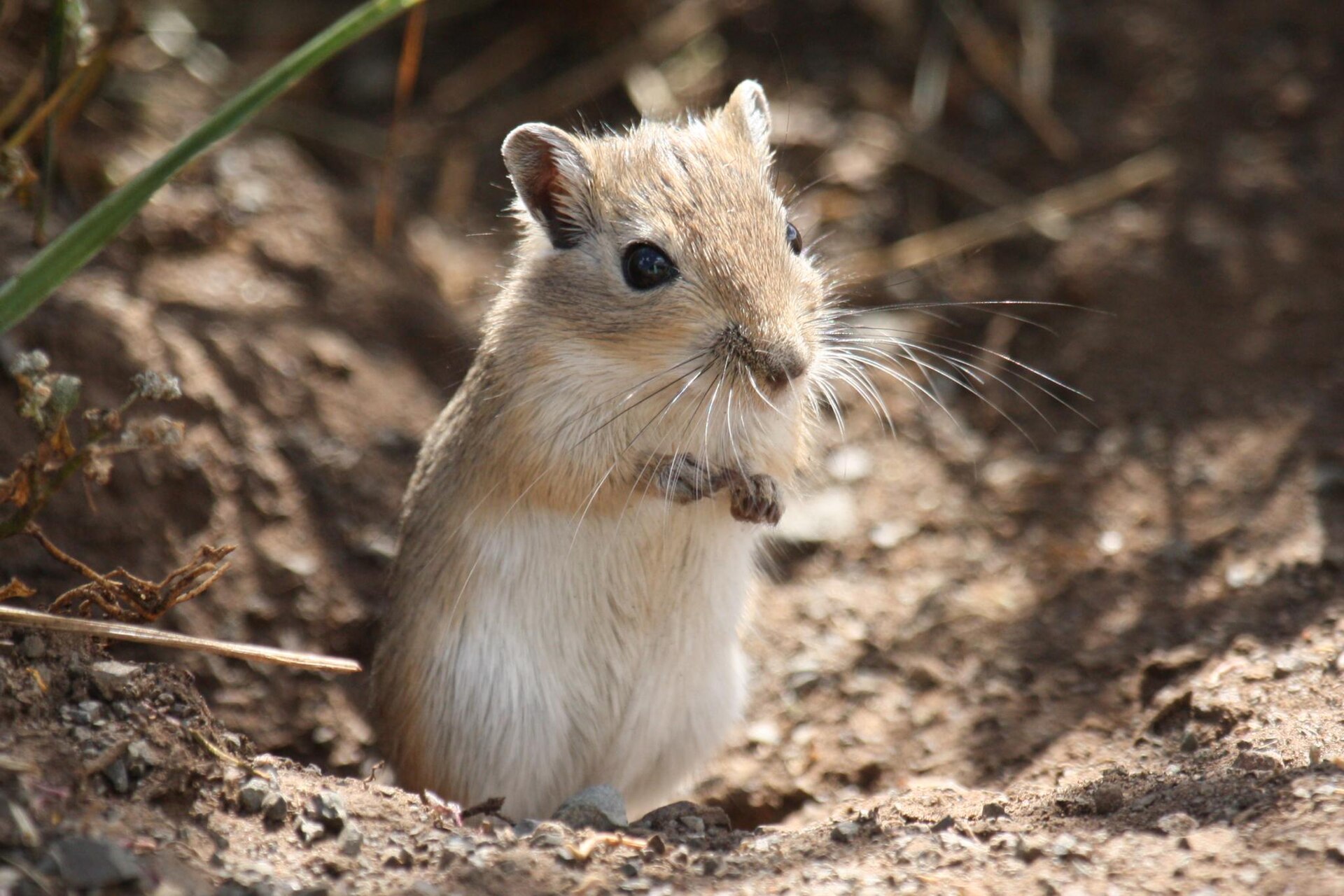
Mongolian gerbil
Meriones unguiculatus
Desert diggers that love company.
Pet trade

Acacia rat
Thallomys paedulcus
Pet trade

African pygmy mouse
Mus minutoides
Pet trade

Arabian spiny mouse
Acomys dimidiatus
Pet trade