
Home / Reptiles / Snakes / Colubridae / Flying snake
No federal permit to keepFlying snake
Chrysopelea ornata
Reptiles › Snakes (Serpentes) › Colubridae (Colubrid snakes)
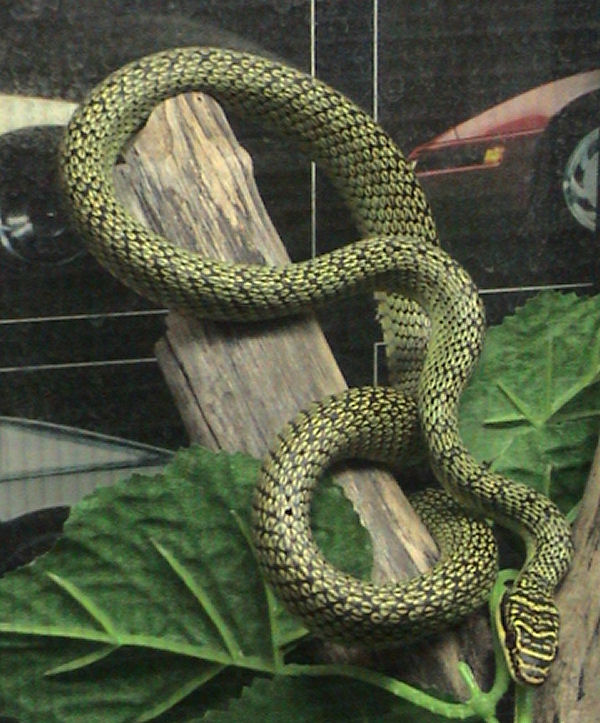
Care at a glance
Setup
One answer per setting. Where sources differ, the smaller figure is the minimum and the larger is what we recommend.
| Adult enclosure | 80 x 60 x 80 cm WDH Keeper's cages, with elevated retreats, many plants and thin climbing branches. | reptile-care.de |
| Warm side | At least 79°F Preferably 84°F Day temperature 26-29 °C. | reptile-care.de |
| Night temperature | At least 72°F Preferably 75°F Night 22-24 °C. | reptile-care.de |
| Humidity | At least 70% Preferably 80% Spray at least every second day. | reptile-care.de |
| Water | Elevated drinking bowl. | reptile-care.de |
| Substrate | High level of humid substrate, e.g. coconut fibre. | reptile-care.de |
| Food | Lizards, rodents, young birds; females can be switched to mice up to ten days old. | reptile-care.de |
Understanding the animal
In the wild
In the wild
Researched for this exact species, not its family. Wild conditions are context, not enclosure settings.12
| Where it lives | Biotopes with lots of vegetation: gardens, forests, coconut plantations; tree-dwelling, from sea level to about 1,800 m. |
| Active | Diurnal and arboreal. |
| Wild diet | Small arboreal prey such as lizards, bats and small rodents. |
Profile
Profile
Researched for this exact species. Sources are listed under In the wild above.
Keeper tips
- Nervous, fast-moving snakes that attempt to flee, but generally bite if handled.
- Mildly venomous cat snake; no harm to humans, but skin irritations possible.
Remarkable facts
- 80-130 cm; males much smaller than females.
Data and studies
Veterinary & husbandry research
Veterinary & husbandry research
- Material properties of skin in the flying snake Chrysopelea ornata. et al., Journal of experimental zoology. Part A, Ecological and integrative physiology 2023
- The first complete mitochondrial genome and phylogenetic analysis of the ornate flying snake Chrysopelea ornata (Shaw 1802) Colubridae. et al., Scientific reports 2025
- Evolution of ZW Sex Chromosomes in Ptyas Snakes (Reptilia, Colubridae): New Insights from a Molecular Cytogenetic Perspective. et al., International journal of molecular sciences 2025
- Snakes of Ko Pha-ngan in the Surat Thani Province, Thailand. et al., Biodiversity data journal 2026
Peer-reviewed papers that mention this species alongside captivity, zoos, veterinary care or aquaculture. Some cover several species or mention it only in passing, so check the abstract. PubMed
Sources for this sheet
- Chrysopelea ornata (reptile-care.de) Community referenceWeb page.
- Wikipedia: Chrysopelea ornata (CC BY-SA 4.0) Community referenceEncyclopedia article.
- The Reptile Database: Chrysopelea ornata Zoo, university or veterinaryTaxonomy, distribution and literature for every reptile species.
- The Reptile Database Peer-reviewed researchScientist-curated catalog of every reptile species, with taxonomy and literature.
- GBIF Backbone Taxonomy (Global Biodiversity Information Facility) (CC BY 4.0) Peer-reviewed researchInternational scientific taxonomy used here for classification. GBIF Secretariat (2023). GBIF Backbone Taxonomy. Checklist dataset https://doi.org/10.15468/39omei, accessed via GBIF.org.
- PubMed (U.S. National Library of Medicine) Peer-reviewed researchIndex of peer-reviewed veterinary, zoo and husbandry research.
More colubrid snakes
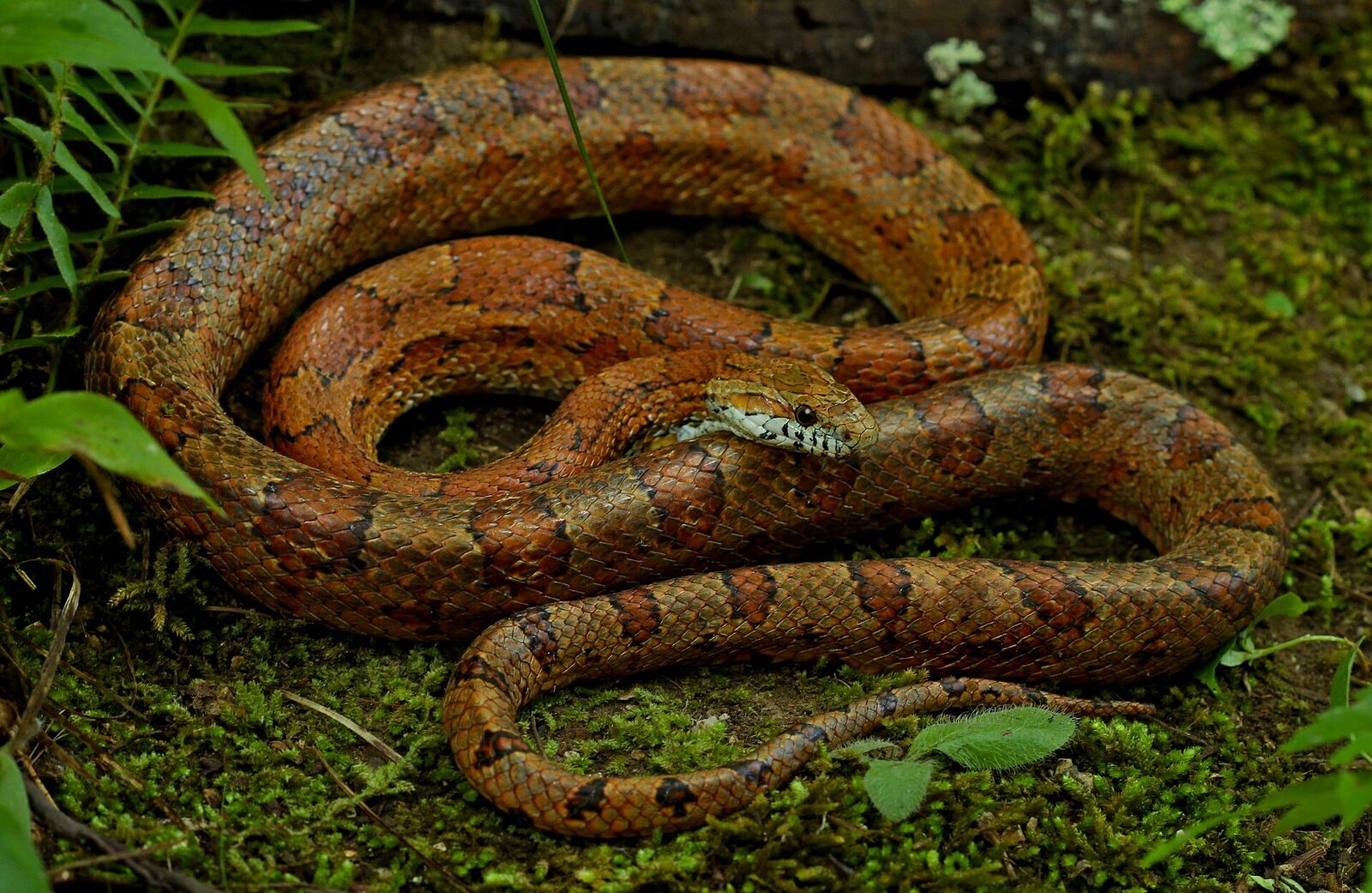
Corn snake
Pantherophis guttatus
Hardy, easy-going and colorful.
Pet trade
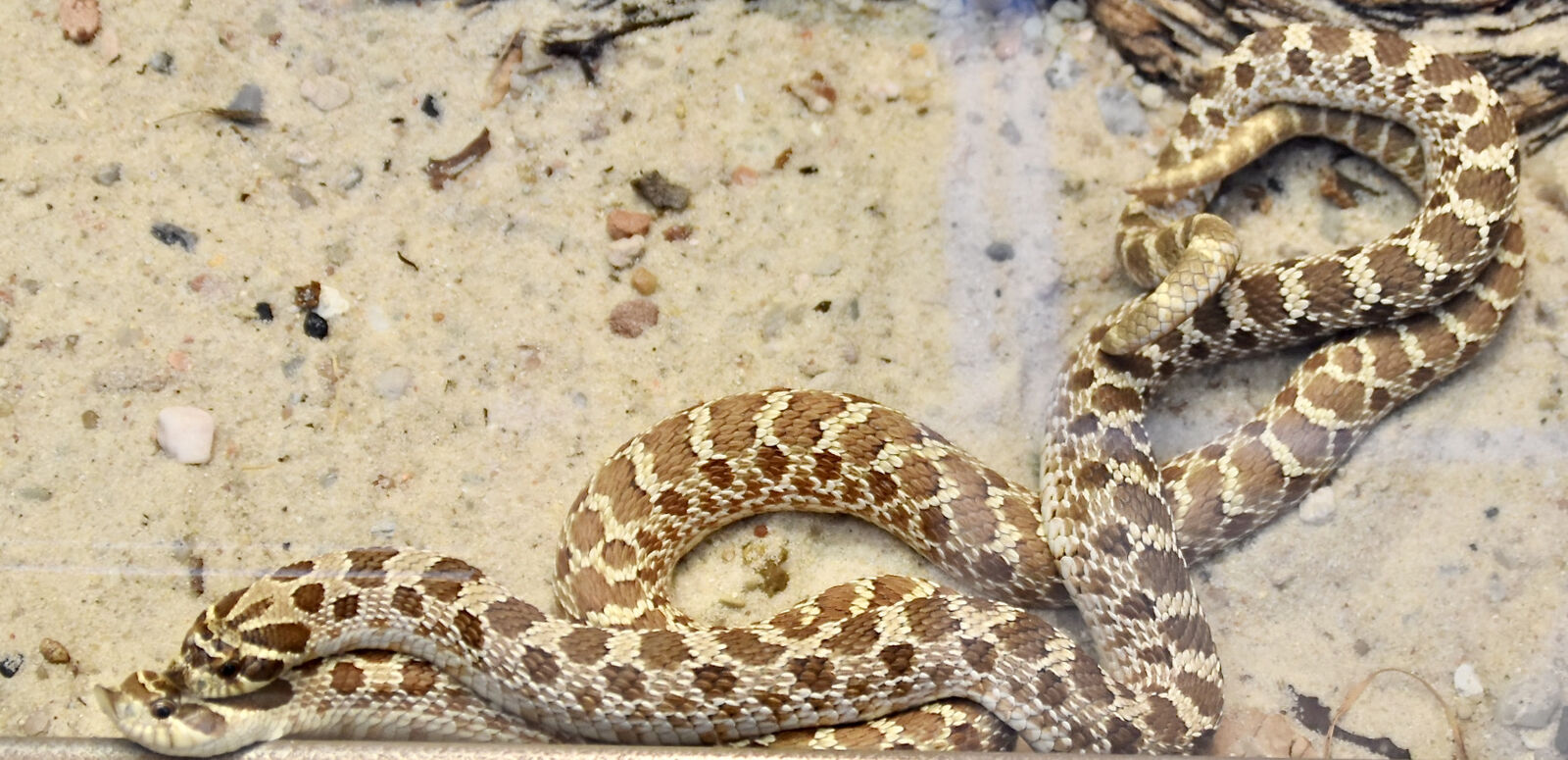
Western hognose snake
Heterodon nasicus
Dramatic bluffs from a tiny, upturned-nose snake.
Pet trade

Amur (Russian) rat snake
Elaphe schrenckii
Pet trade

Andean milk snake
Lampropeltis micropholis
Pet trade

Arizona mountain kingsnake
Lampropeltis pyromelana
Pet trade

Baird's rat snake
Pantherophis bairdi
Pet trade