
Home / Reptiles / Snakes / Colubridae / Dog-tooth cat snake
No federal permit to keepDog-tooth cat snake
Boiga cynodon
Reptiles › Snakes (Serpentes) › Colubridae (Colubrid snakes)
Boiga cynodon, commonly known as the dog-toothed cat snake, is a nocturnal species of rear-fanged colubrid snake endemic to Asia.
From Wikipedia: Boiga cynodon, CC BY-SA 4.0 (excerpt)

Care at a glance
Species-specific values
Values researched for this exact species. Air, surface and water temperatures are listed separately, and each source is kept as published rather than averaged.
| Basking surface temperature | 85–86 °F Source: dmexotics.com | |
| Diet | Adults may be offered smaller meals in multiples if needed. Source: dmexotics.com | |
| Seasonal cooling | The keeper food-cycles snakes down in winter, then increases food and pairs them in spring. Source: dmexotics.com |
Warnings
Understanding the animal
In the wild
In the wild
| Overview | Boiga cynodon, commonly known as the dog-toothed cat snake, is a nocturnal species of rear-fanged colubrid snake endemic to Asia. — From Wikipedia: Boiga cynodon, CC BY-SA 4.0 (excerpt) |
| Wild diet | It feeds mainly upon small vertebrates such as birds and bird eggs but may also take lizards and small bats. It has been noted that the dog-toothed cat snake hunts by pursuing and overpowering prey, using both the jaws and tail to immobilize. — From Wikipedia: Boiga cynodon, CC BY-SA 4.0 (excerpt) |
| Reproduction | Boiga cynodon is an oviparous species, with sexually mature females laying eggs, 6-12 per clutch. Mean egg length is reported as 52mm, while mean width is reported as 24.6mm. Eggs within a clutch often adhere to each other, and offspring have been observed to create a slit from the inside of the egg one day before emerging. — From Wikipedia: Boiga cynodon, CC BY-SA 4.0 (excerpt) |
| Appearance and size | It is a large snake, reaching more than 2 m in total length. The front teeth of the upper jaw and the lower jaw are strongly enlarged. The anterior palatine teeth are significantly enlarged, while the posterior chin shields are larger than the anterior ones. — From Wikipedia: Boiga cynodon, CC BY-SA 4.0 (excerpt) |
Read about this species in the wild at The Reptile Database.
Native climate (measured)
Native climate (measured)
| Warm-season highs | about 89°F (up to 91°F in the hottest sampled areas) |
| Cool-season lows | about 71°F (down to 66°F in the coldest sampled areas) |
| Average temperature | 74–81°F across sampled records |
| Relative humidity | 80–84% on average (driest month about 79%) |
| Rainfall | about 2382 mm a year |
Measured at 162 wild occurrence records sampled against WorldClim 2.1 climate data (1970–2000 averages). Air conditions in the range are ecological context, not enclosure settings: microhabitats such as burrows, leaf litter or basking rocks can be cooler, warmer or more humid.
Profile
Profile
Researched for this exact species. Sources are listed under In the wild above.
Data and studies
The numbers
The numbers
Each bar is what one source reports. Where several sources weigh in, the dashed gold band marks their average.
Maximum recorded lifespan
Longest recorded lifespan reported by each database; typical lifespans are usually shorter. The AnAge record comes from an animal in human care.
Sources for this sheet
- AnAge: The Animal Ageing and Longevity Database (Human Ageing Genomic Resources) (CC BY 3.0) Peer-reviewed researchCurated, referenced longevity and life-history records for thousands of species; maximum lifespans are often from zoo animals.
- Myhrvold et al. (2015). An amniote life-history database. Ecology 96: 3109 Peer-reviewed researchPeer-reviewed compilation of life-history data for over 21,000 birds, mammals and reptiles.
- The Reptile Database Peer-reviewed researchScientist-curated catalog of every reptile species, with taxonomy and literature.
- Wikipedia (species article) (CC BY-SA 4.0) Community referenceFree encyclopedia; useful overviews with their own citations. Short excerpts are quoted under CC BY-SA 4.0, each credited with a link to its article.
- iNaturalist (captive observations) Community referenceCommunity observation platform run by the California Academy of Sciences and National Geographic; observations marked captive show animals living in homes, zoos and aquariums.
More colubrid snakes
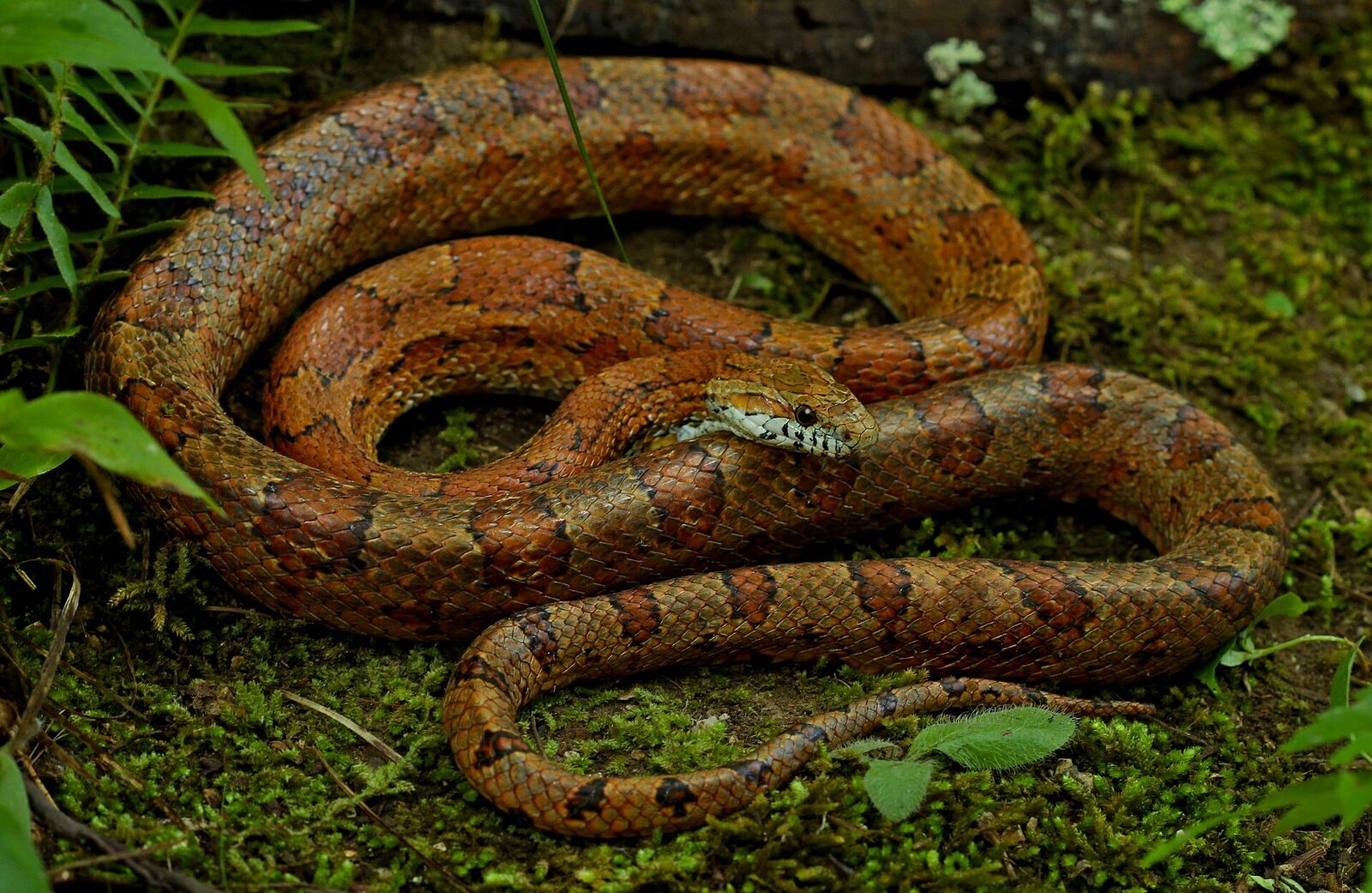
Corn snake
Pantherophis guttatus
Hardy, easy-going and colorful.
Pet trade
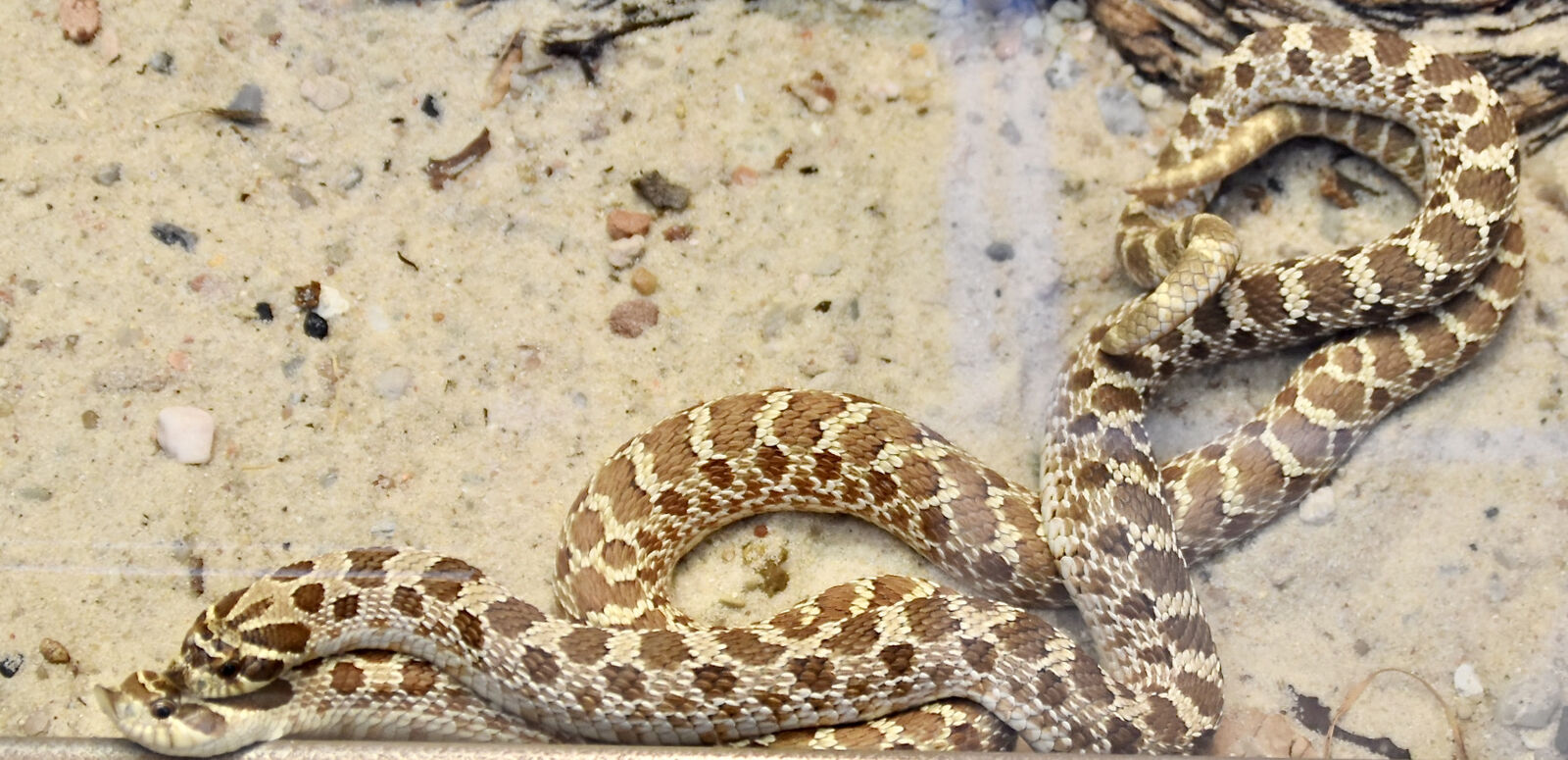
Western hognose snake
Heterodon nasicus
Dramatic bluffs from a tiny, upturned-nose snake.
Pet trade

Amur (Russian) rat snake
Elaphe schrenckii
Pet trade

Andean milk snake
Lampropeltis micropholis
Pet trade

Arizona mountain kingsnake
Lampropeltis pyromelana
Pet trade

Baird's rat snake
Pantherophis bairdi
Pet trade