
Home / Reptiles / Snakes / Colubridae / Eastern ribbon snake
No federal permit to keepEastern ribbon snake
Thamnophis sauritus
Reptiles › Snakes (Serpentes) › Colubridae (Colubrid snakes)
Care at a glance
Setup
One answer per setting. Where sources differ, the smaller figure is the minimum and the larger is what we recommend.
| Adult enclosure | At least 20 gallons Preferably 30 gallons A pair of average size snakes may be maintained in this capacity terrarium. | reptilesmagazine.com |
| Hot spot | 90°F The temperature beneath the heat lamp should be in this range for basking. | reptilesmagazine.com |
| Warm side | 80°F Rest of the tank temperature in the summer months. | reptilesmagazine.com |
| Cool side | 74°F Rest of the tank room temperature during the winter months. | reptilesmagazine.com |
Care guide
By age
| Neonates | Feeding: Neonates usually eat as readily as the adults. | reptilesmagazine.com |
- Blister disease syndrome: Caused by keeping the substrate wet despite the snake's propensity for water. reptilesmagazine.com
Understanding the animal
Localities
Localities
Keepers buy these by where the bloodline comes from. Care is basically the same; size, color and temperament can differ. “Breeder-reported” details still need a published source.
| Eastern ribbon snake | Brown body with three distinctive stripes, typically yellow, that alternate with the brown body. | Published Wikipedia |
| Northern ribbon snake | Dark brown/black with yellow line down its back and often its sides. | Published Wikipedia |
| Southern ribbon snake or peninsula ribbon snake | Tan or brown coloration. | Published Wikipedia |
| Bluestripe ribbon snake | Dark with light blue lateral stripes. | Published Wikipedia |
In the wild
In the wild
Researched for this exact species, not its family. Wild conditions are context, not enclosure settings.1
| Where it lives | The eastern ribbon snake inhabits wet climates such as lakes, streams, ponds, marshes, and wetlands. |
| Active | This species is active from April to October and undergoes hibernation during the winter months. |
| Social life | Eastern ribbon snakes are typically solitary but begin seeking out mates in the spring following hibernation. |
| Wild diet | They hunt using auditory and visual perception to eat newts, salamanders, frogs, toads, tadpoles, small fish, spiders, and earthworms. |
| Behavior to plan for | They rarely use aggressive defense, relying instead on camouflage, fleeing, and hiding in dense grass patches. |
Profile
Profile
Researched for this exact species. Sources are listed under In the wild above.
Keeper tips
- Ribbon snakes are semi-aquatic, hardy, and rarely use any aggressive form of defense when disturbed.
Data and studies
Veterinary & husbandry research
Veterinary & husbandry research
- Characterization of an erythrocytic virus in the family Iridoviridae from a peninsula ribbon snake (Thamnophis sauritus sackenii). et al., Veterinary microbiology 2008
- Heavy metal levels in ribbon snakes (Thamnophis sauritus) and anuran larvae from the Mobile-Tensaw River Delta, Alabama, USA. et al., Archives of environmental contamination and toxicology 2007
- Hepatozoon polytopis n. sp. parasitic in two genera and species of colubrid snakes in southern Florida. et al., The Journal of parasitology 2005
- Haemogregarine specificity in two communities of Florida snakes, with descriptions of six new species of Hepatozoon (Apicomplexa: Hepatozoidae) and a possible species of Haemogregarina (Apicomplexa: Haemogregarinidae). et al., The Journal of parasitology 2001
Peer-reviewed papers that mention this species alongside captivity, zoos, veterinary care or aquaculture. Some cover several species or mention it only in passing, so check the abstract. PubMed
Sources for this sheet
- Eastern ribbon snake (reptilesmagazine.com) Experienced keeper or breederKeeper care guide.
- Wikipedia: Thamnophis sauritus (CC BY-SA 4.0) Community referenceEncyclopedia article.
- The Reptile Database: Thamnophis sauritus Zoo, university or veterinaryTaxonomy, distribution and literature for every reptile species.
- Eastern ribbon snake (nps.gov) Expert educator & keeperZoo, government or conservation body.
- The Reptile Database Peer-reviewed researchScientist-curated catalog of every reptile species, with taxonomy and literature.
- GBIF Backbone Taxonomy (Global Biodiversity Information Facility) (CC BY 4.0) Peer-reviewed researchInternational scientific taxonomy used here for classification. GBIF Secretariat (2023). GBIF Backbone Taxonomy. Checklist dataset https://doi.org/10.15468/39omei, accessed via GBIF.org.
- PubMed (U.S. National Library of Medicine) Peer-reviewed researchIndex of peer-reviewed veterinary, zoo and husbandry research.
More colubrid snakes
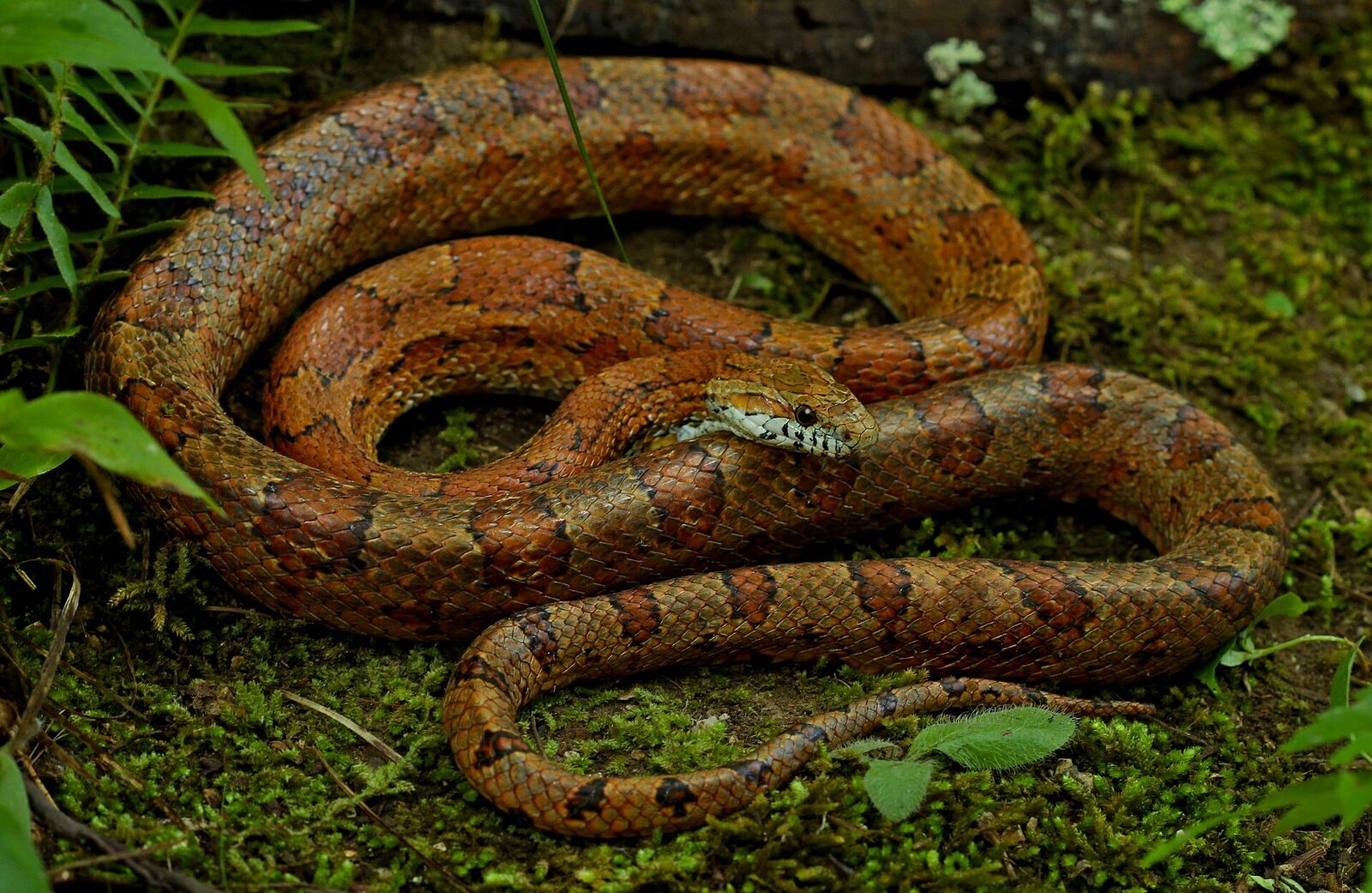
Corn snake
Pantherophis guttatus
Hardy, easy-going and colorful.
Pet trade
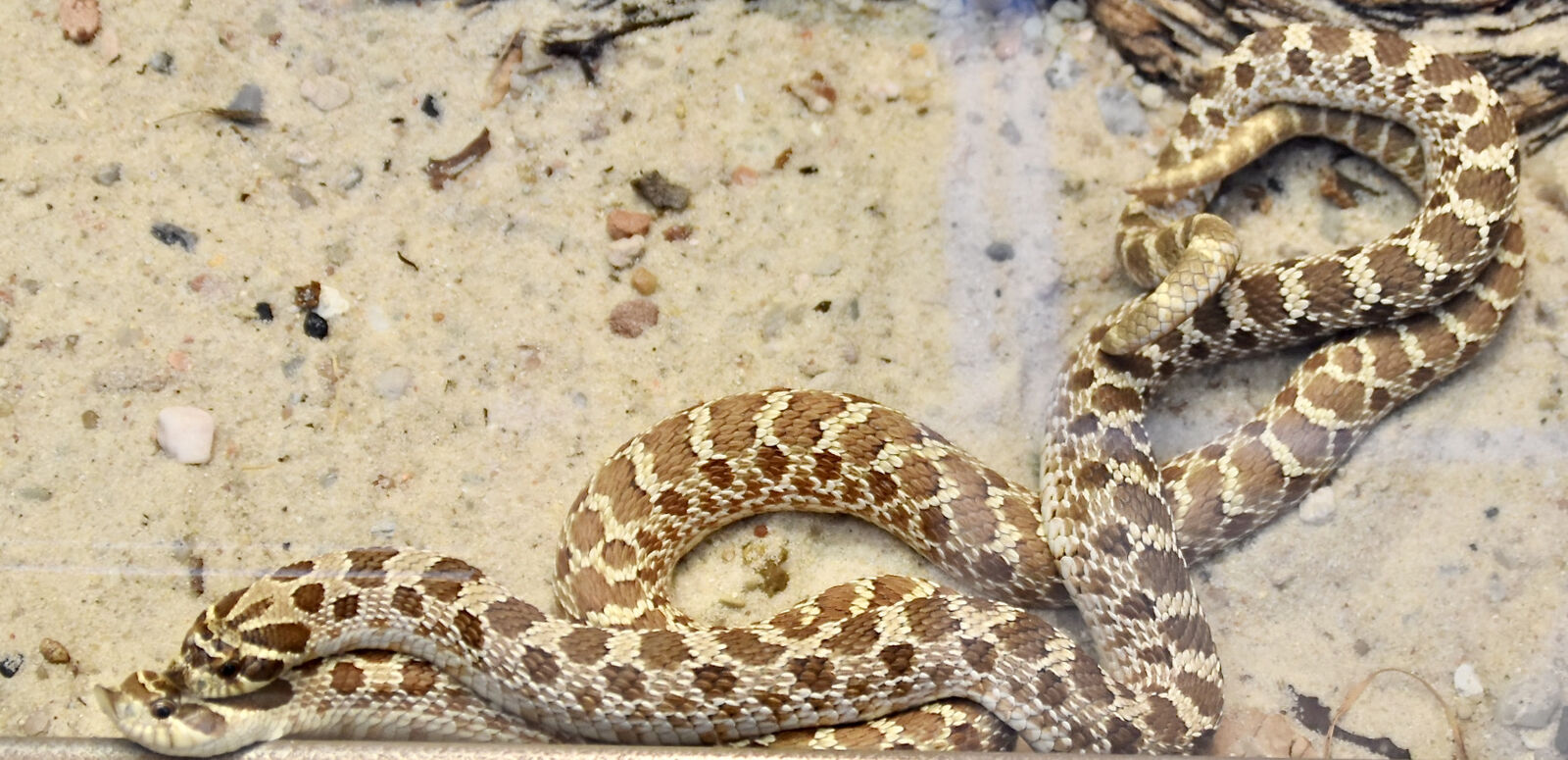
Western hognose snake
Heterodon nasicus
Dramatic bluffs from a tiny, upturned-nose snake.
Pet trade

Amur (Russian) rat snake
Elaphe schrenckii
Pet trade

Andean milk snake
Lampropeltis micropholis
Pet trade

Arizona mountain kingsnake
Lampropeltis pyromelana
Pet trade

Baird's rat snake
Pantherophis bairdi
Pet trade