
Home / Mammals / Rodents / Eurasian harvest mouse
No federal permit to keepEurasian harvest mouse
Micromys minutus
Mammals › Rodents (Rodentia) › Muridae (Rats, mice and gerbils)
The harvest mouse (Micromys minutus) is a small mouse native to Europe and Asia.
From Wikipedia: Eurasian harvest mouse, CC BY-SA 4.0 (excerpt)

Care at a glance
Species-specific values
Values researched for this exact species. Air, surface and water temperatures are listed separately, and each source is kept as published rather than averaged.
| Minimum enclosure | 45x45x60cm for a group of 4 mice; larger is better. Source: alismenagerie.co.uk | |
| Uvb lighting | Suitable UVB lighting is at the keeper’s discretion. Source: alismenagerie.co.uk | |
| Diet | Use a reasonably low-fat seed mix as the diet’s basis; berries and invertebrates can be offered in small amounts. Source: alismenagerie.co.uk | |
| Social housing | Keepers should avoid housing mice alone; same-sex groups may be preferred. Source: alismenagerie.co.uk | |
| Substrate | Naturalistic enclosures can use sand or soil; paper bedding and wood shavings are alternatives. Source: alismenagerie.co.uk |
Understanding the animal
About this animal
About this animal
It is typically found in fields of cereal crops, such as wheat, rice and oats, in reed beds and in other tall ground vegetation, such as long grass and hedgerows. It has reddish-brown fur with white underparts and a naked, highly prehensile tail, which it uses for climbing.
From Wikipedia: Eurasian harvest mouse, CC BY-SA 4.0 (excerpt)
In the wild
In the wild
| Overview | The harvest mouse (Micromys minutus) is a small mouse native to Europe and Asia. It is typically found in fields of cereal crops, such as wheat, rice and oats, in reed beds and in other tall ground vegetation, such as long grass and hedgerows. It has reddish-brown fur with white underparts and a naked, highly prehensile tail, which it uses for climbing. It is the smallest European rodent; an adult may weigh as little as 4 g. — From Wikipedia: Eurasian harvest mouse, CC BY-SA 4.0 (excerpt) |
| History and naming | The genus Micromys most likely evolved in Asia and is closely related to the long-tailed climbing mouse (Vandeleuria) and the pencil-tailed tree mouse (Chiropodomys). Micromys first emerged in the fossil record in the late Pliocene, with Micromys minutus being recorded from the Early Pleistocene in Germany. — From Wikipedia: Eurasian harvest mouse, CC BY-SA 4.0 (excerpt) |
| Conservation | Due to their habitat, in Japan harvest mice are threatened by a number of anthropogenic effects such as farming, pesticide use, crop rotation, habitat destruction, fragmentation, and wetland draining. Grasslands in that country are rapidly decreasing in area, and are also becoming increasingly fragmented. — From Wikipedia: Eurasian harvest mouse, CC BY-SA 4.0 (excerpt) |
Read about this species in the wild at Animal Diversity Web.
Native climate (measured)
Native climate (measured)
| Warm-season highs | about 71°F (up to 74°F in the hottest sampled areas) |
| Cool-season lows | about 33°F (down to 26°F in the coldest sampled areas) |
| Average temperature | 47–50°F across sampled records |
| Relative humidity | 80–82% on average (driest month about 74%) |
| Rainfall | about 801 mm a year, spread fairly evenly |
| Winters | Cool to cold winters (lows around 33°F) in much of its native range. Seasonal slowdown may be relevant, but species-specific biology determines whether brumation or hibernation occurs. |
Measured at 102 wild occurrence records sampled against WorldClim 2.1 climate data (1970–2000 averages). Air conditions in the range are ecological context, not enclosure settings: microhabitats such as burrows, leaf litter or basking rocks can be cooler, warmer or more humid.
Profile
Profile
Researched for this exact species. Sources are listed under In the wild above.
History
The genus Micromys most likely evolved in Asia and is closely related to the long-tailed climbing mouse (Vandeleuria) and the pencil-tailed tree mouse (Chiropodomys). Micromys first emerged in the fossil record in the late Pliocene, with Micromys minutus being recorded from the Early Pleistocene in Germany.
From Wikipedia: Eurasian harvest mouse, CC BY-SA 4.0 (excerpt)
Data and studies
The numbers
The numbers
Each bar is what one source reports. Where several sources weigh in, the dashed gold band marks their average.
Maximum recorded lifespan
Longest recorded lifespan reported by each database; typical lifespans are usually shorter. The AnAge record comes from an animal in human care.
Typical adult weight
Average adult body mass in each database (FishBase gives the maximum recorded weight).
Litter size
Average per litter or clutch.
Gestation
Female maturity
Veterinary & husbandry research
Veterinary & husbandry research
- Metastatic Mixed Germ Cell Tumour with Embryonal Carcinoma and Choriocarcinoma in a Female Eurasian Harvest Mouse (Micromys minutus) Minoli L et al., Journal of comparative pathology 2020
- Complete genomic characterization of a murine papillomavirus isolated from papillomatous lesions of a European harvest mouse (Micromys minutus) Van Doorslaer K et al., The Journal of general virology 2007
- Genome-Wide Microarray Analysis Suggests Transcriptomic Response May Not Play a Major Role in High- to Low-Altitude Acclimation in Harvest Mouse (Micromys minutus) Chen TH et al., Animals: an open access journal from MDPI 2019
Peer-reviewed papers that mention this species alongside captivity, zoos, veterinary care or aquaculture. Some cover several species or mention it only in passing, so check the abstract. See all 4 on PubMed → PubMed
Sources for this sheet
- AnAge: The Animal Ageing and Longevity Database (Human Ageing Genomic Resources) (CC BY 3.0) Peer-reviewed researchCurated, referenced longevity and life-history records for thousands of species; maximum lifespans are often from zoo animals.
- Myhrvold et al. (2015). An amniote life-history database. Ecology 96: 3109 Peer-reviewed researchPeer-reviewed compilation of life-history data for over 21,000 birds, mammals and reptiles.
- 9 CFR 2.1: Animal Welfare Act licensing (USDA) Zoo, university or veterinaryWho needs a USDA license to breed, sell or exhibit animals.
- GBIF Backbone Taxonomy (Global Biodiversity Information Facility) (CC BY 4.0) Peer-reviewed researchInternational scientific taxonomy used here for classification. GBIF Secretariat (2023). GBIF Backbone Taxonomy. Checklist dataset https://doi.org/10.15468/39omei, accessed via GBIF.org.
- Wikipedia (species article) (CC BY-SA 4.0) Community referenceFree encyclopedia; useful overviews with their own citations. Short excerpts are quoted under CC BY-SA 4.0, each credited with a link to its article.
- PubMed (U.S. National Library of Medicine) Peer-reviewed researchIndex of peer-reviewed veterinary, zoo and husbandry research.
- iNaturalist (captive observations) Community referenceCommunity observation platform run by the California Academy of Sciences and National Geographic; observations marked captive show animals living in homes, zoos and aquariums.
More rats, mice and gerbils
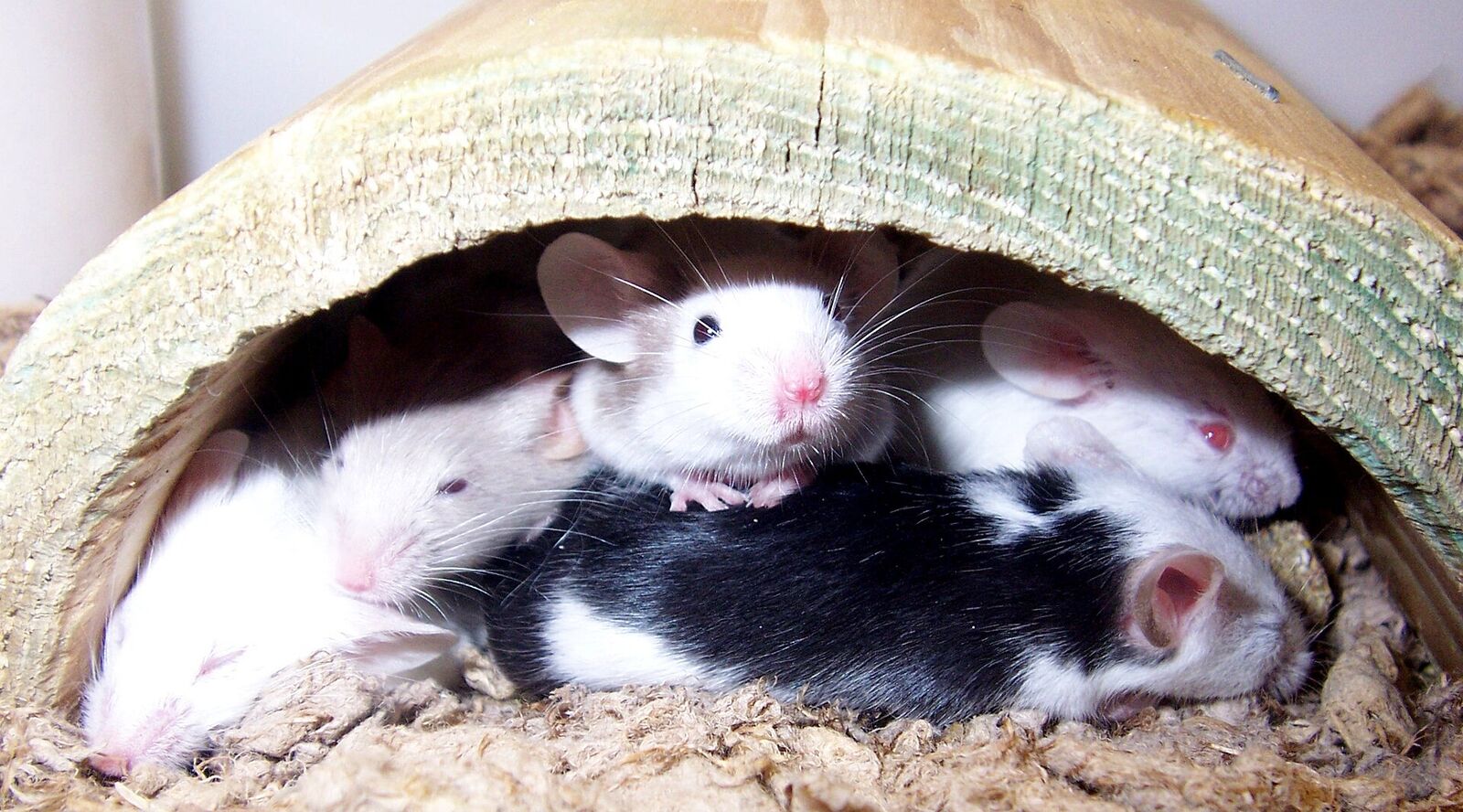
Fancy mouse
Mus musculus
Tiny, busy and fun to watch.
Pet trade
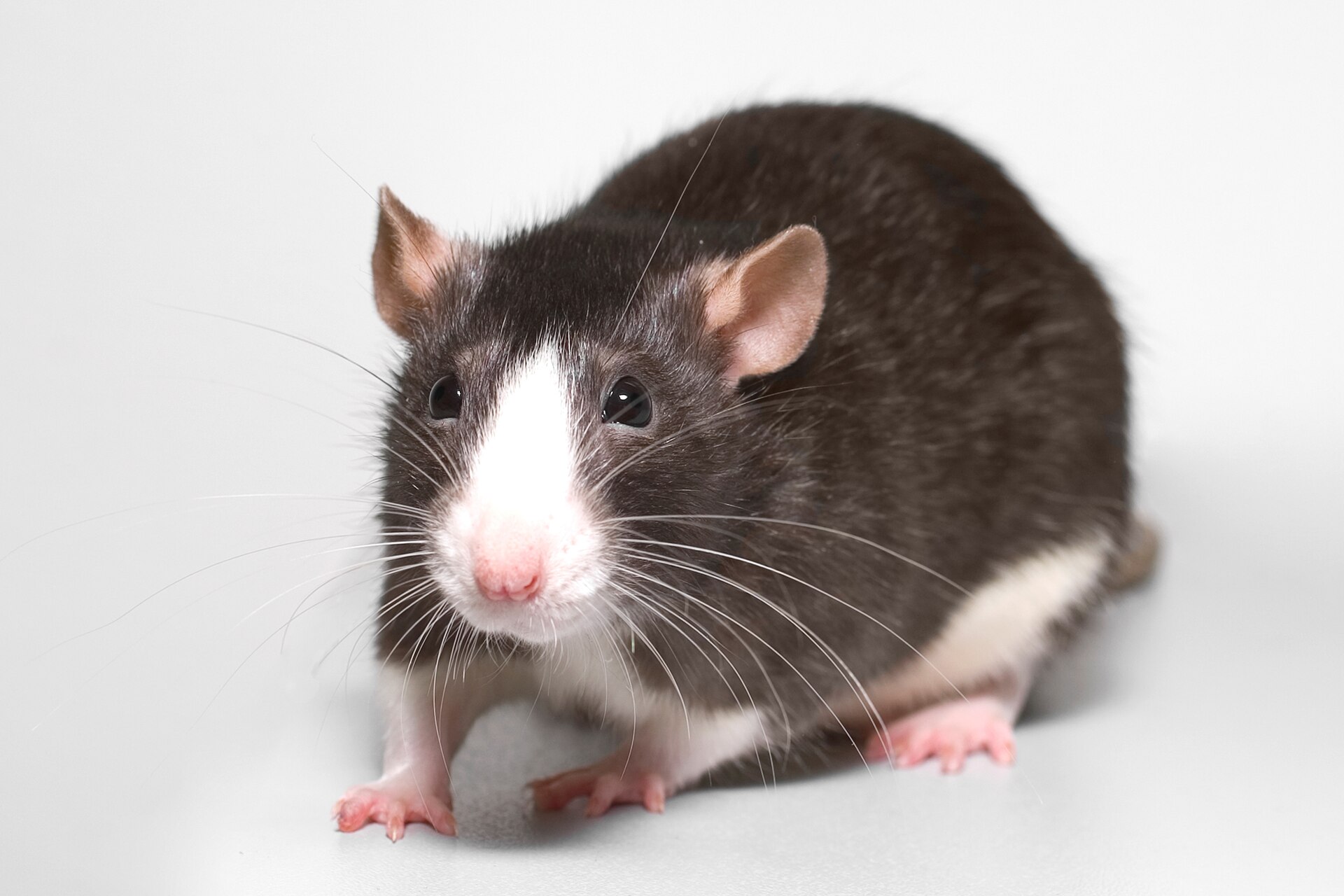
Fancy rat
Rattus norvegicus
Clever, affectionate and endlessly curious.
Pet trade
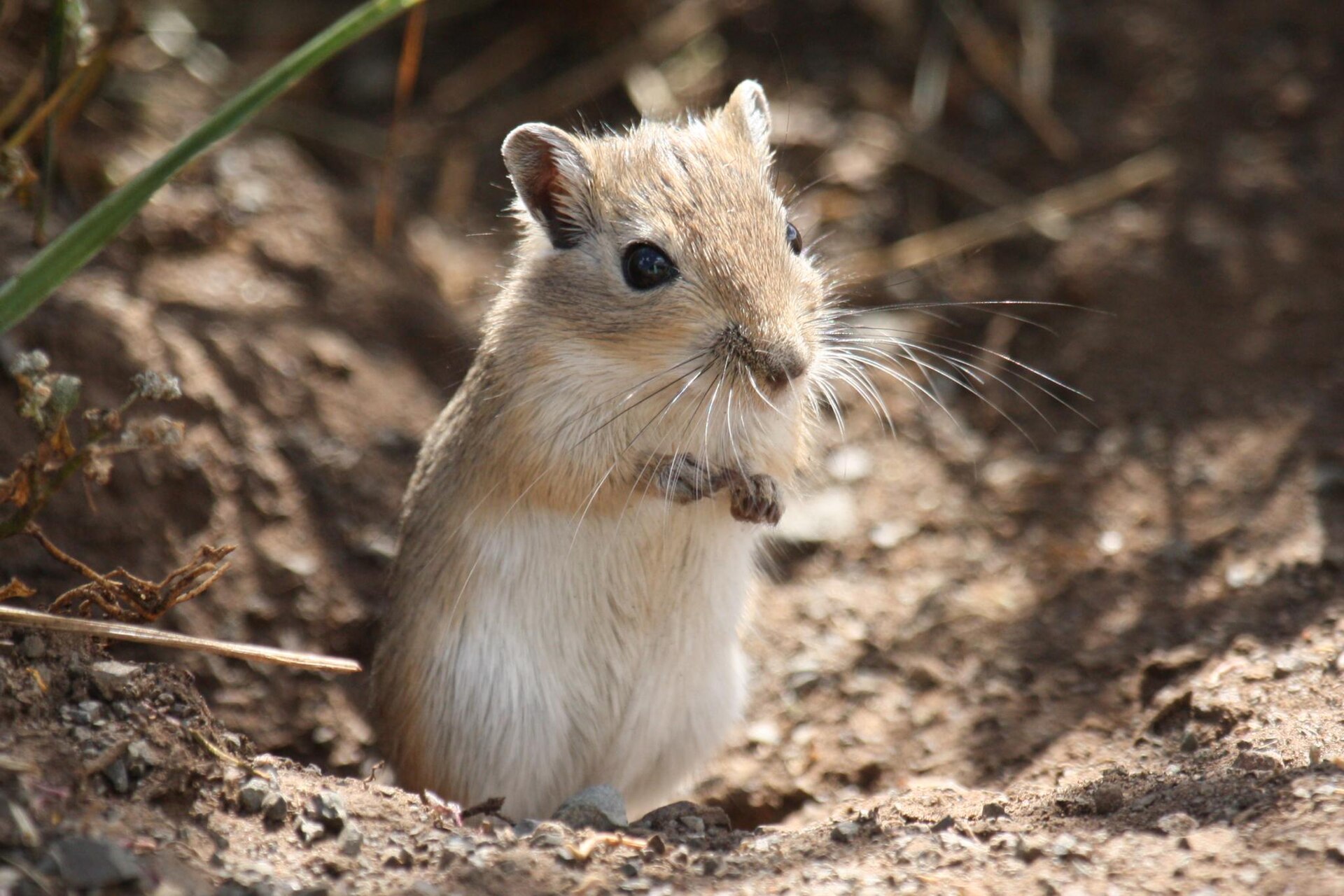
Mongolian gerbil
Meriones unguiculatus
Desert diggers that love company.
Pet trade

Acacia rat
Thallomys paedulcus
Pet trade

African pygmy mouse
Mus minutoides
Pet trade

Arabian spiny mouse
Acomys dimidiatus
Pet trade