
Home / Mammals / Rodents / Fat-tailed gerbil (duprasi)
Some federal rules applyFat-tailed gerbil (duprasi)
Pachyuromys duprasi
Mammals › Rodents (Rodentia) › Muridae (Rats, mice and gerbils)
The fat-tailed gerbil, also called the duprasi gerbil or doop, is a rodent belonging to the subfamily Gerbillinae.

Care at a glance
Setup
One answer per setting. Where sources differ, the smaller figure is the minimum and the larger is what we recommend.
| Adult enclosure | 80 x 40 x 40 cm Minimum for one gerbil. | vhm-abc.com |
| Bedding | 20 cm deep Hemp, flax or other dust-free sawdust. | vhm-abc.com |
| Exercise wheel | 16 cm Closed (no spokes), not too small. | vhm-abc.com |
| Chewing | Branches from fruit trees, willow, hazel, birch or maple keep teeth worn. | vhm-abc.com |
| Dust bath | A sturdy bowl of chinchilla sand. | vhm-abc.com |
| Food | Gerbil food, or regular rodent food if none is available. | vhm-abc.com |
| Fresh foods | Fruit and vegetables once or twice a week only; watery foods don't suit them. | vhm-abc.com |
| Water | A bottle with a metal nipple, or a drinking bowl. | vhm-abc.com |
| Social housing | Often best kept alone: fights can escalate quickly. | drdknaagdierwinkel.nl |
Understanding the animal
About this animal
About this animal
It is the only species in the genus Pachyuromys. They are frequently kept as pets.
From Wikipedia: Fat-tailed gerbil, CC BY-SA 4.0 (excerpt)
In the wild
In the wild
Researched for this exact species, not its family. Wild conditions are context, not enclosure settings.12
| Where it lives | Northern Sahara: sparsely vegetated sand sheets and rocky deserts. |
| Active | Active at dusk, in the wild and in captivity, though sometimes seen by day. |
| Wild diet | Mostly insects in the wild, plus some plants. |
| Behavior to plan for | Lives in simple burrows about one meter deep in hard sandy soil. |
Profile
Profile
Researched for this exact species. Sources are listed under In the wild above.
Keeper tips
- Calm and easy to handle; rarely bites and will sit calmly with you.
Remarkable facts
- 3 to 5 years in captivity.
- About 10 cm (3.9 in) body, plus a 5 cm (2.0 in) tail.
Data and studies
Veterinary & husbandry research
Veterinary & husbandry research
- Ultrasonic vocalization of pup and adult fat-tailed gerbils (Pachyuromys duprasi). et al., PloS one 2019
- Audible calls and their ontogenetic relationship with ultrasonic vocalization in a rodent with a wide vocal range, the fat-tailed gerbil (Pachyuromys duprasi). et al., Behavioural processes 2020
- Evaluation of the fat-tailed gerbil, Pachyuromys duprasi (Rodentia: Gerbillidae), as a new animal model for studies of Leishmania major infection and transmission. et al., Vector borne and zoonotic diseases (Larchmont, N.Y.) 2013
- Frequency representation and spiral ganglion cell density in the cochlea of the gerbil Pachyuromys duprasi. et al., Hearing research 1991
Peer-reviewed papers that mention this species alongside captivity, zoos, veterinary care or aquaculture. Some cover several species or mention it only in passing, so check the abstract. PubMed
Sources for this sheet
- 42 CFR 71.56: African rodents and other animals that may carry monkeypox (CDC) Zoo, university or veterinaryFederal import ban on African rodents.
- Caresheets rodent (vhm-abc.com) Community referenceWeb page.
- Fat tailed gerbil (drdknaagdierwinkel.nl) Community referenceWeb page.
- Wikipedia: Pachyuromys duprasi (CC BY-SA 4.0) Community referenceEncyclopedia article.
- Care for a fat‐tailed gerbil (wikihow.pet) Community referenceWeb page.
- GBIF Backbone Taxonomy (Global Biodiversity Information Facility) (CC BY 4.0) Peer-reviewed researchInternational scientific taxonomy used here for classification. GBIF Secretariat (2023). GBIF Backbone Taxonomy. Checklist dataset https://doi.org/10.15468/39omei, accessed via GBIF.org.
- Wikipedia (species article) (CC BY-SA 4.0) Community referenceFree encyclopedia; useful overviews with their own citations. Short excerpts are quoted under CC BY-SA 4.0, each credited with a link to its article.
- PubMed (U.S. National Library of Medicine) Peer-reviewed researchIndex of peer-reviewed veterinary, zoo and husbandry research.
More rats, mice and gerbils
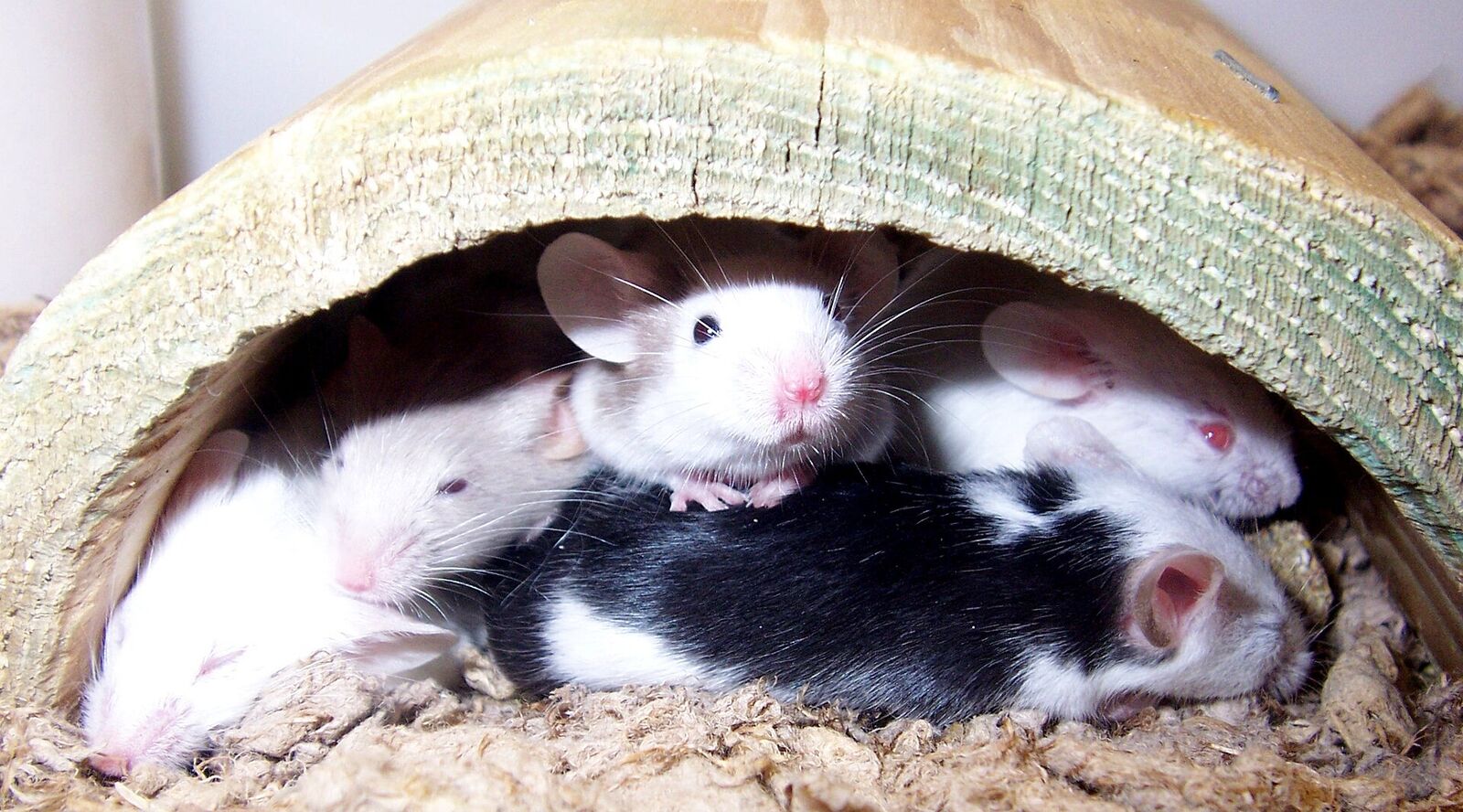
Fancy mouse
Mus musculus
Tiny, busy and fun to watch.
Pet trade
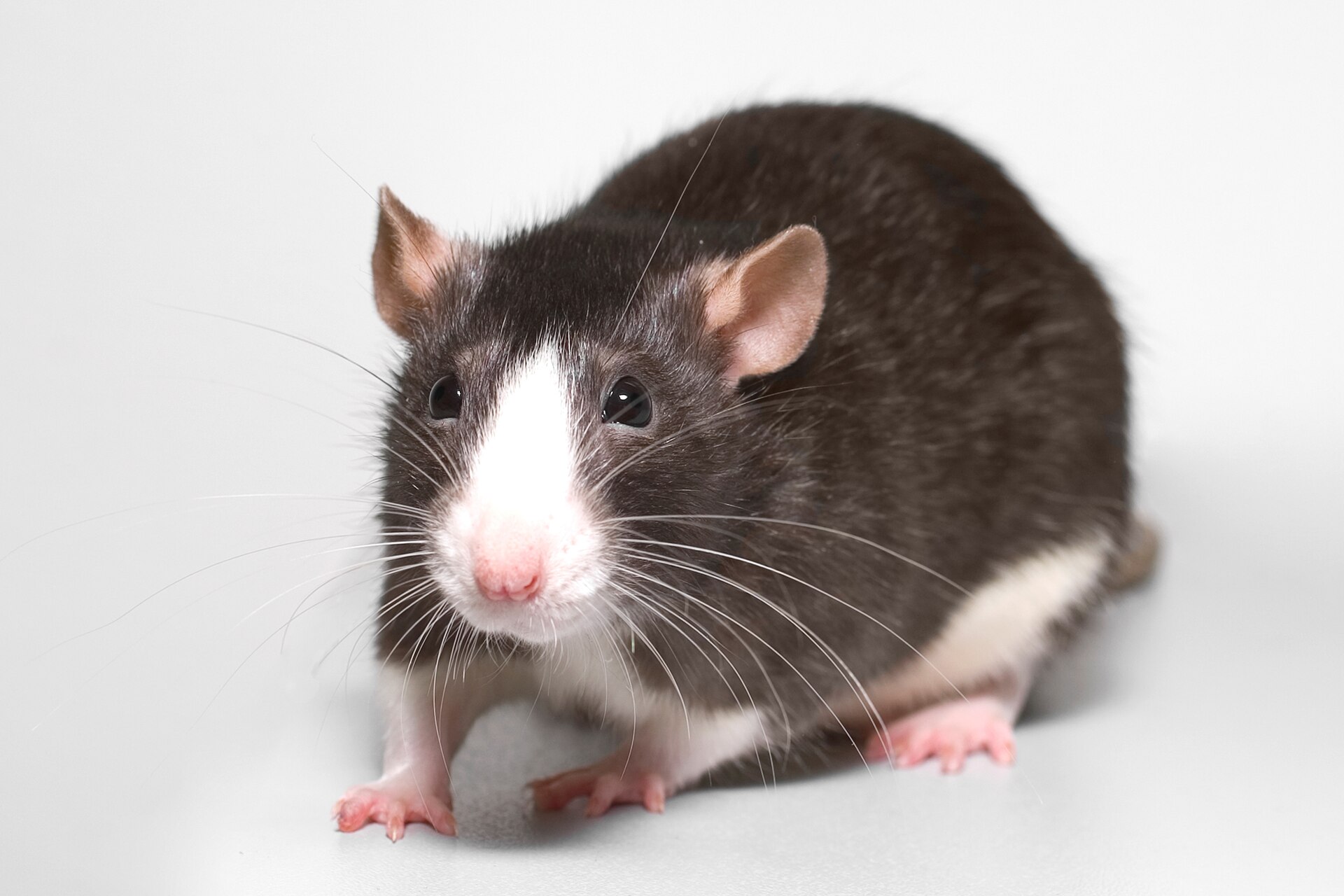
Fancy rat
Rattus norvegicus
Clever, affectionate and endlessly curious.
Pet trade
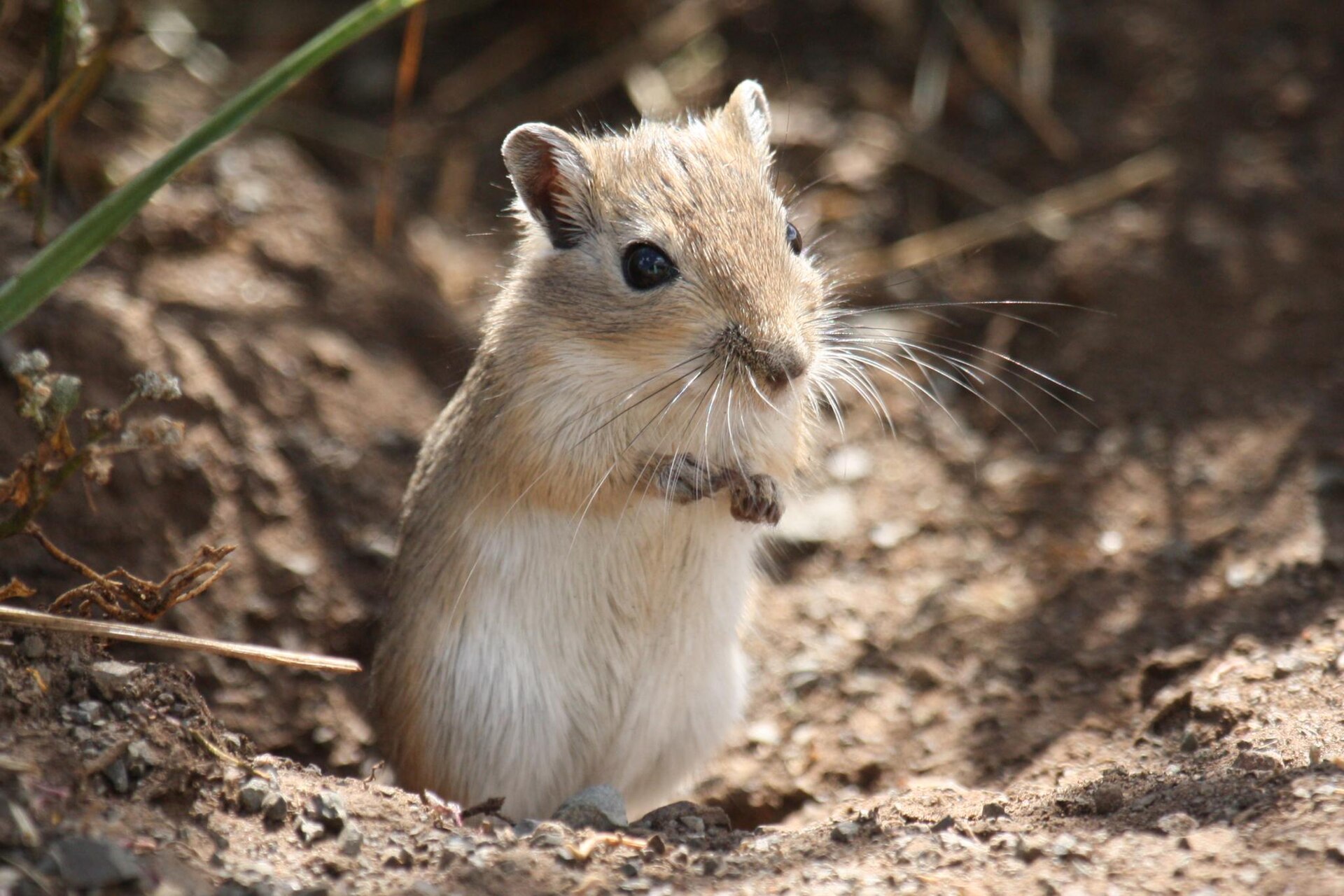
Mongolian gerbil
Meriones unguiculatus
Desert diggers that love company.
Pet trade

Acacia rat
Thallomys paedulcus
Pet trade

African pygmy mouse
Mus minutoides
Pet trade

Arabian spiny mouse
Acomys dimidiatus
Pet trade