
Home / Mammals / Cats, dogs and other carnivores / Black-backed jackal
No federal permit to keepBlack-backed jackal
Lupulella mesomelas
Mammals › Cats, dogs and other carnivores (Carnivora) › Canidae (Dogs, wolves and foxes)
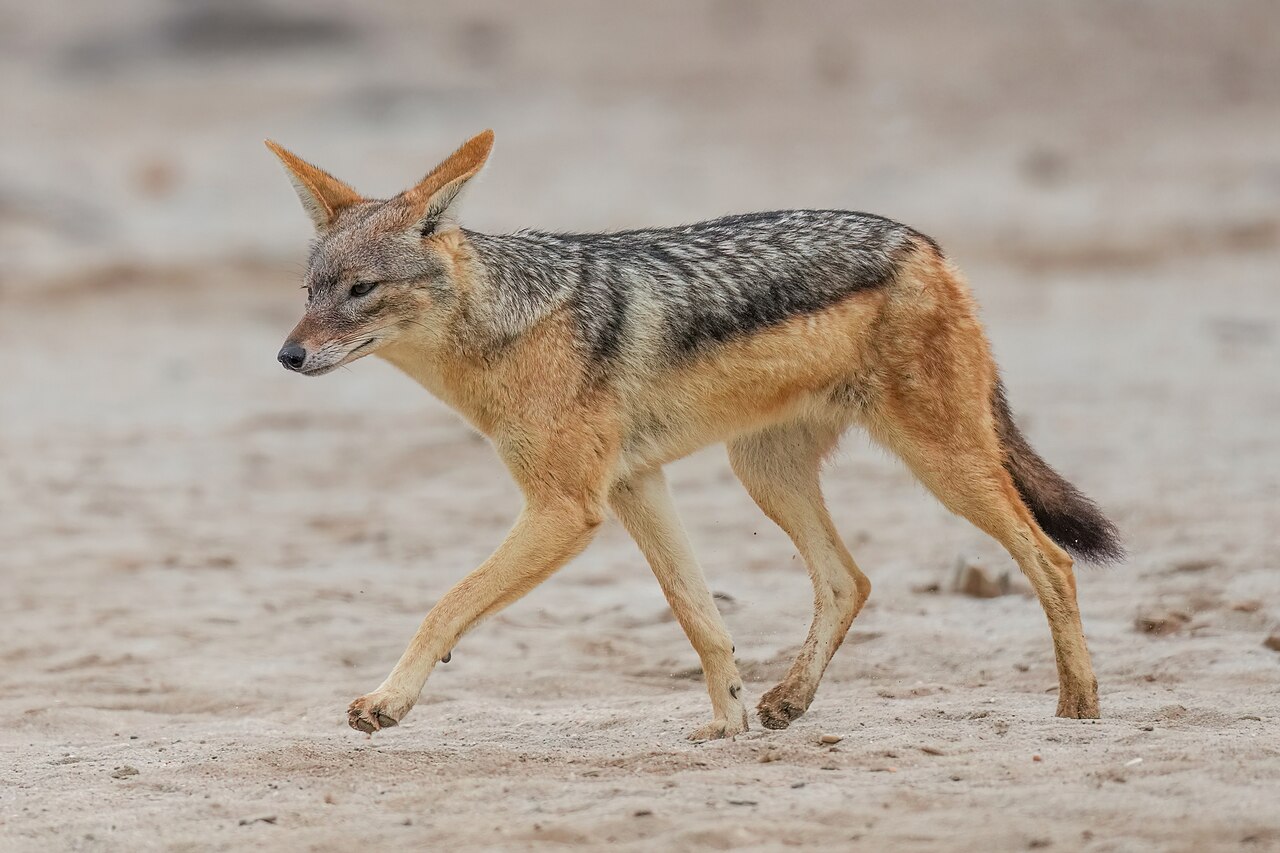
Black-backed jackals are small wild canids that live in long-term monogamous pairs and defend territories together. They are omnivores, active both day and night, and they stay wild animals even when raised by people.
Care guide
Housing
- Secure canid fencing with dig guards and a roof or inward overhang; they're territorial and agile.
- Dens or shelters for resting, and space to patrol.
Sources animaldiversity.org
Diet
- Omnivores: in a study of 96 stomachs, insects appeared most often, then mixed omnivorous remains, plus plant matter.
- In care, a balanced canid diet with whole-prey items and produce reflects that range.
Sources animaldiversity.org
Behavior & enrichment
- Pairs communicate with scent and touch; expect scent marking.
- Scatter feeding, scent trails and varied terrain help.
Sources animaldiversity.org
Health & vet care
- Work with a vet experienced in wild canids for vaccines and parasite control.
- Sexual maturity comes around 10 months; plan pairing and breeding carefully.
Sources animaldiversity.org
Understanding the animal
In the wild
In the wild
Researched for this exact species, not its family. Wild conditions are context, not enclosure settings.12
| Where it lives | Open savanna, grassland, scrub and desert in separate eastern and southern African ranges, including the Namib. Avoids dense forest and uses burrows or rock shelters for pups. |
| Ground it lives on | Open soil, sand and rocky terrain; denning in existing burrows or crevices. |
| Active | Cathemeral; often more nocturnal near human settlements. |
| Social life | Territorial breeding pairs with offspring; may aggregate around food or cooperate when hunting. |
| Wild diet | Insects, rodents, hares, small antelopes, birds, reptiles and carrion; also fruit and seeds. |
| Behavior to plan for | Uses keen smell and hearing to hunt and scavenge. Pairs defend territories and rear young in sheltered dens. |
Native climate (measured)
Native climate (measured)
| Warm-season highs | about 87°F (up to 95°F in the hottest sampled areas) |
| Cool-season lows | about 45°F (down to 34°F in the coldest sampled areas) |
| Average temperature | 62–73°F across sampled records |
| Relative humidity | 53–68% on average (driest month about 54%) |
| Rainfall | about 600 mm a year, with strong wet and dry seasons |
Measured at 103 wild occurrence records sampled against WorldClim 2.1 climate data (1970–2000 averages). Air conditions in the range are ecological context, not enclosure settings: microhabitats such as burrows, leaf litter or basking rocks can be cooler, warmer or more humid.
Profile
Profile
Researched for this exact species. Sources are listed under In the wild above.
History
Johann Christian Daniel von Schreber named the species Canis mesomelas in 1775, and Lupulella was later proposed as a genus by Hilzheimer in 1906. Fossils from Kenya, Tanzania, and South Africa show that the species has occupied eastern and southern Africa for at least 2 to 3 million years.
Data and studies
The numbers
The numbers
Each bar is what one source reports. Where several sources weigh in, the dashed gold band marks their average.
Lifespan in care
Wild jackals live up to about 8 years.
Sources for this sheet
- Animal Diversity Web: Canis mesomelas (CC BY-NC-SA 3.0) Zoo, university or veterinaryUniversity-hosted species account.
- 9 CFR 2.1: Animal Welfare Act licensing (USDA) Zoo, university or veterinaryWho needs a USDA license to breed, sell or exhibit animals.
- GBIF Backbone Taxonomy (Global Biodiversity Information Facility) (CC BY 4.0) Peer-reviewed researchInternational scientific taxonomy used here for classification. GBIF Secretariat (2023). GBIF Backbone Taxonomy. Checklist dataset https://doi.org/10.15468/39omei, accessed via GBIF.org.
- Wikipedia (species article) (CC BY-SA 4.0) Community referenceFree encyclopedia; useful overviews with their own citations. Short excerpts are quoted under CC BY-SA 4.0, each credited with a link to its article.
- iNaturalist (captive observations) Community referenceCommunity observation platform run by the California Academy of Sciences and National Geographic; observations marked captive show animals living in homes, zoos and aquariums.
More dogs, wolves and foxes
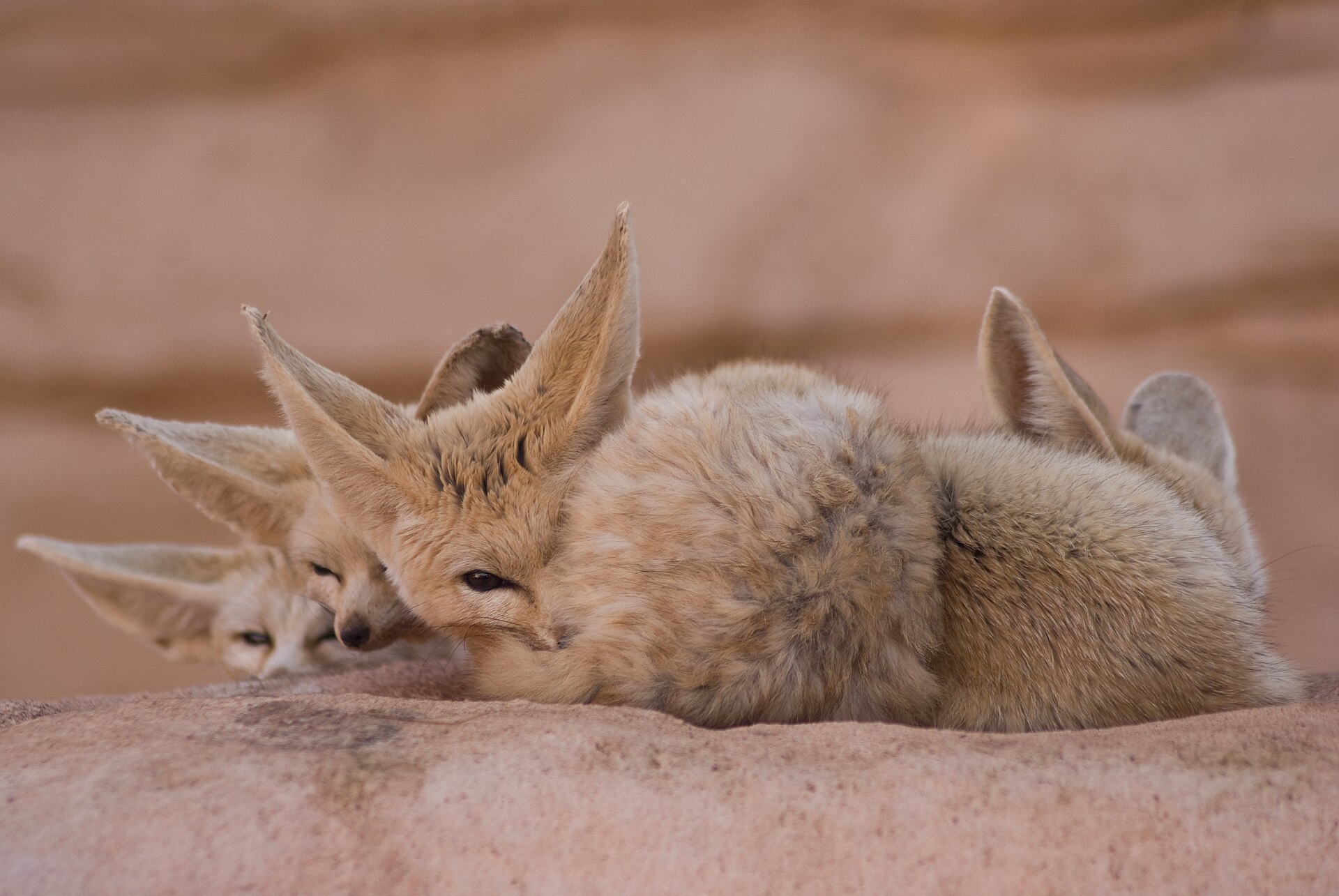
Fennec fox
Vulpes zerda
Giant ears, tiny fox, endless energy.
Pet trade
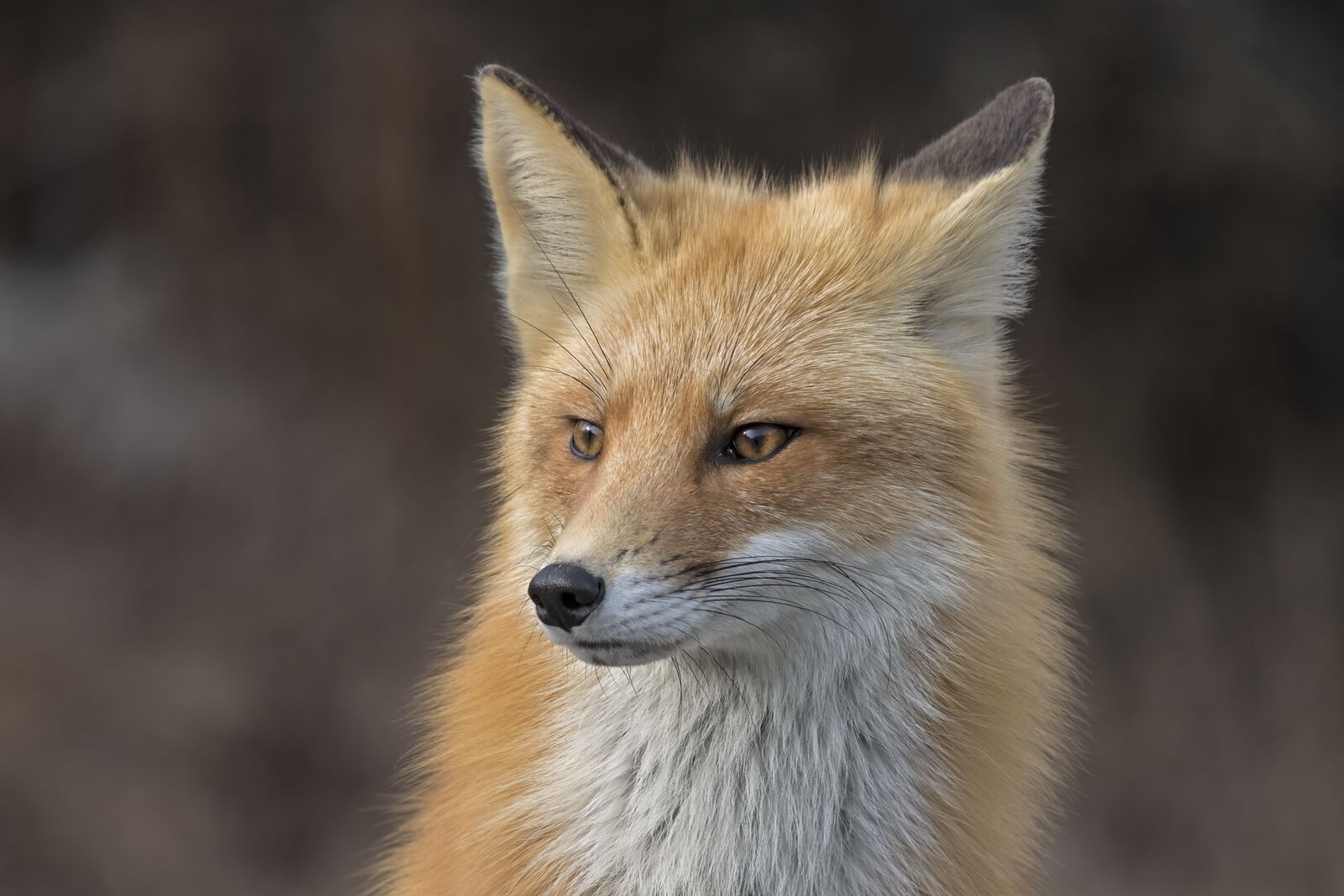
Red fox
Vulpes vulpes
Clever, scent-marking and very much a wild canid.
Pet trade

African wild dog
Lycaon pictus
Pet trade

Arctic fox
Vulpes lagopus
Pet trade

Bat-eared fox
Otocyon megalotis
Pet trade

Bush dog
Speothos venaticus
Pet trade