
Home / Mammals / Cats, dogs and other carnivores / Red fox
Some federal rules applyRed fox
Vulpes vulpes
Mammals › Cats, dogs and other carnivores (Carnivora) › Canidae (Dogs, wolves and foxes)
Red foxes are adaptable, mostly nocturnal canids that mark territory heavily with urine and scent glands, so expect a strong smell.
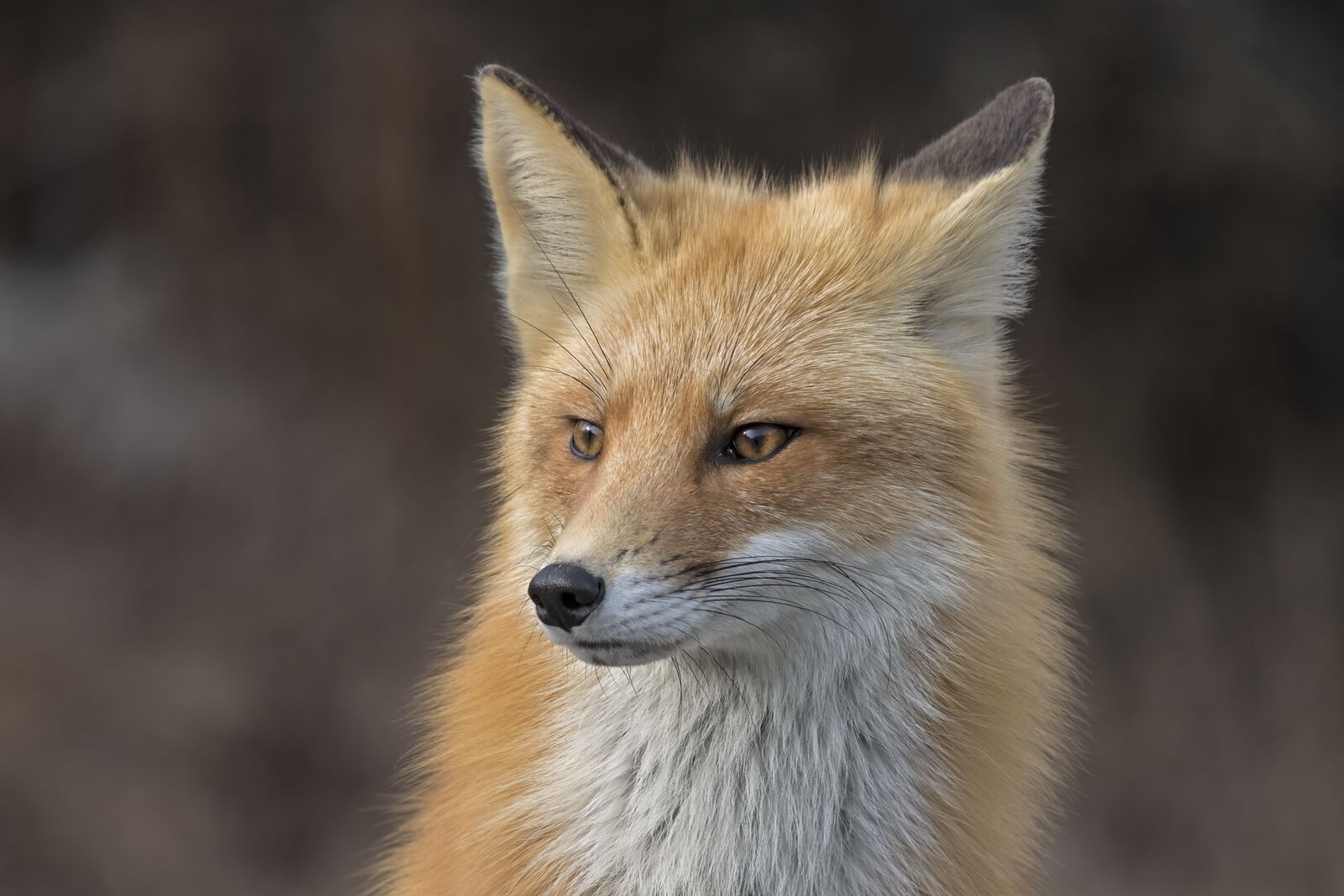
Care guide
Behavior
- Heavy scent marking with urine and glands; cache food; use multiple dens.
Sources animaldiversity.org
Diet
- Omnivores: rodents, rabbits, insects, fruit; about 0.5–1 kg of food a day in the wild.
Sources animaldiversity.org
Understanding the animal
In the wild
In the wild
Researched for this exact species, not its family. Wild conditions are context, not enclosure settings.12
| Where it lives | Across much of the Northern Hemisphere in woodland edges, grasslands, farmland, tundra and towns. Uses earthen dens and habitual paths between resting and hunting sites. |
| Ground it lives on | earth, grass and woodland litter; excavates soil dens |
| Active | Usually nocturnal or crepuscular. |
| Social life | Generally hunts alone; territories may contain a breeding pair, additional females and young. |
| Wild diet | Rodents, rabbits, birds, insects, fruit and carrion; proportions shift with season and locality. |
| Behavior to plan for | Pounces to catch concealed rodents, digs dens and caches surplus food. Can clear high obstacles and marks its range with scent. |
Native climate (measured)
Native climate (measured)
| Warm-season highs | about 77°F (up to 93°F in the hottest sampled areas) |
| Cool-season lows | about 20°F (down to -5°F in the coldest sampled areas) |
| Average temperature | 33–65°F across sampled records |
| Relative humidity | 66–78% on average (driest month about 63%) |
| Rainfall | about 633 mm a year, spread fairly evenly |
| Winters | Cool to cold winters (lows around 20°F) in much of its native range. Seasonal slowdown may be relevant, but species-specific biology determines whether brumation or hibernation occurs. |
Measured at 2060 wild occurrence records sampled against WorldClim 2.1 climate data (1970–2000 averages). Air conditions in the range are ecological context, not enclosure settings: microhabitats such as burrows, leaf litter or basking rocks can be cooler, warmer or more humid.
Profile
Profile
Researched for this exact species. Sources are listed under In the wild above.
History
Red foxes originated in Eurasia during the Middle Pleistocene at least 400,000 years ago and reached North America sometime before 130,000 years ago. Humans have hunted them for centuries as pests and furbearers, and the species has also been introduced to places including Australia.
Data and studies
The numbers
The numbers
Each bar is what one source reports. Where several sources weigh in, the dashed gold band marks their average.
Lifespan in care
Maximum recorded lifespan
Longest recorded lifespan reported by each database; typical lifespans are usually shorter. The AnAge record comes from an animal in human care.
Typical adult weight
Average adult body mass in each database (FishBase gives the maximum recorded weight).
Litter size
Average per litter or clutch.
Gestation
Female maturity
Veterinary & husbandry research
Veterinary & husbandry research
- Fox (Vulpes vulpes) involvement identified in a series of cat carcass mutilations Hull KD et al., Veterinary pathology 2022
Peer-reviewed papers that mention this species alongside captivity, zoos, veterinary care or aquaculture. Some cover several species or mention it only in passing, so check the abstract. See all 139 on PubMed → PubMed
Sources for this sheet
- Animal Diversity Web (University of Michigan): Vulpes vulpes (CC BY-NC-SA 3.0) Zoo, university or veterinaryUniversity-hosted species account, mostly wild biology.
- AnAge: The Animal Ageing and Longevity Database (Human Ageing Genomic Resources) (CC BY 3.0) Peer-reviewed researchCurated, referenced longevity and life-history records for thousands of species; maximum lifespans are often from zoo animals.
- Myhrvold et al. (2015). An amniote life-history database. Ecology 96: 3109 Peer-reviewed researchPeer-reviewed compilation of life-history data for over 21,000 birds, mammals and reptiles.
- 50 CFR 17.11: Endangered and threatened wildlife Zoo, university or veterinaryCurrent federal Endangered Species Act list.
- Species+ (UNEP-WCMC and the CITES Secretariat) Zoo, university or veterinaryThe official database of species listed under CITES. UNEP (2026). The Species+ Website. Nairobi, Kenya. Compiled by UNEP-WCMC, Cambridge, UK. Available at: www.speciesplus.net. [Accessed 04/10/2026].
- USFWS International Affairs: CITES Zoo, university or veterinaryFederal agency that issues CITES permits.
- 9 CFR 2.1: Animal Welfare Act licensing (USDA) Zoo, university or veterinaryWho needs a USDA license to breed, sell or exhibit animals.
- GBIF Backbone Taxonomy (Global Biodiversity Information Facility) (CC BY 4.0) Peer-reviewed researchInternational scientific taxonomy used here for classification. GBIF Secretariat (2023). GBIF Backbone Taxonomy. Checklist dataset https://doi.org/10.15468/39omei, accessed via GBIF.org.
- Wikipedia (species article) (CC BY-SA 4.0) Community referenceFree encyclopedia; useful overviews with their own citations. Short excerpts are quoted under CC BY-SA 4.0, each credited with a link to its article.
- PubMed (U.S. National Library of Medicine) Peer-reviewed researchIndex of peer-reviewed veterinary, zoo and husbandry research.
- iNaturalist (captive observations) Community referenceCommunity observation platform run by the California Academy of Sciences and National Geographic; observations marked captive show animals living in homes, zoos and aquariums.
More dogs, wolves and foxes
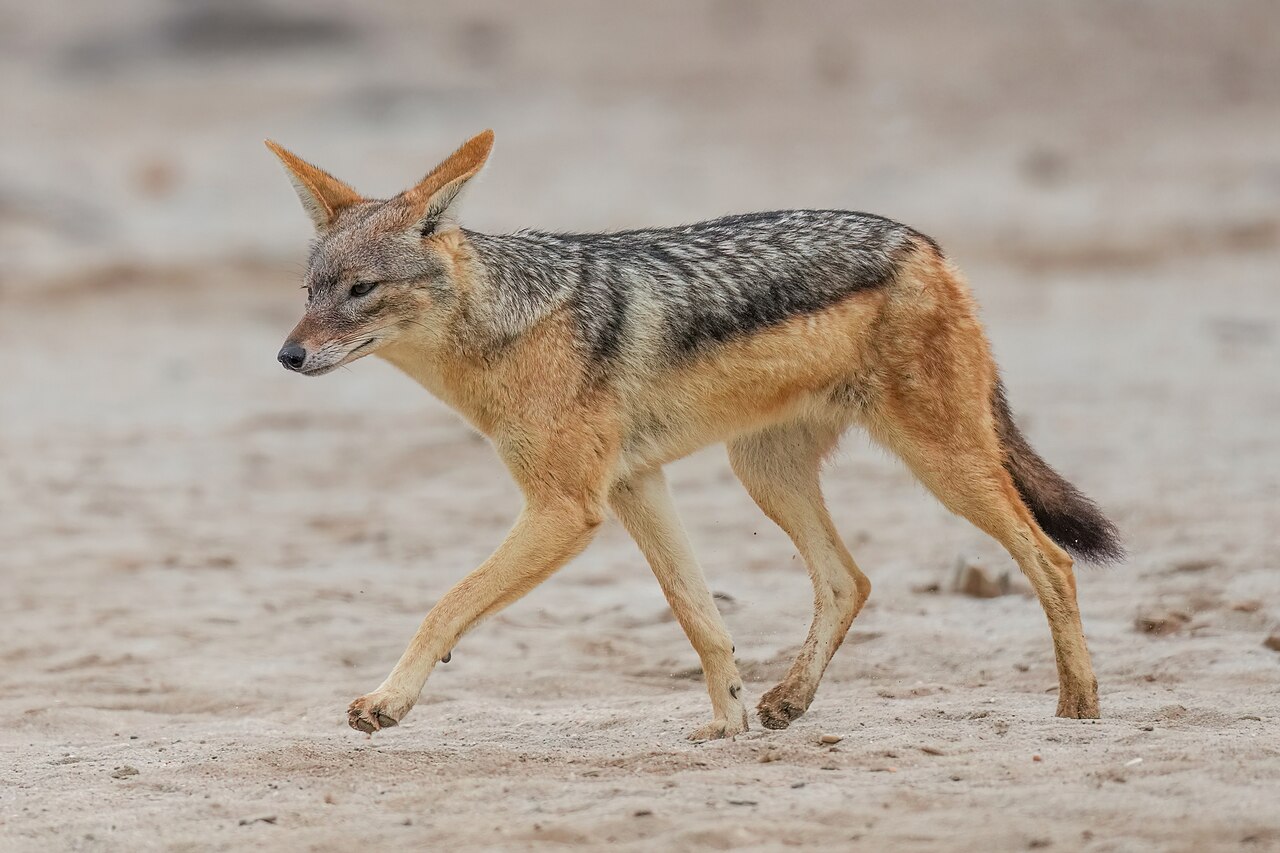
Black-backed jackal
Lupulella mesomelas
A sleek, clever wild canid built for the African bush.
Pet trade
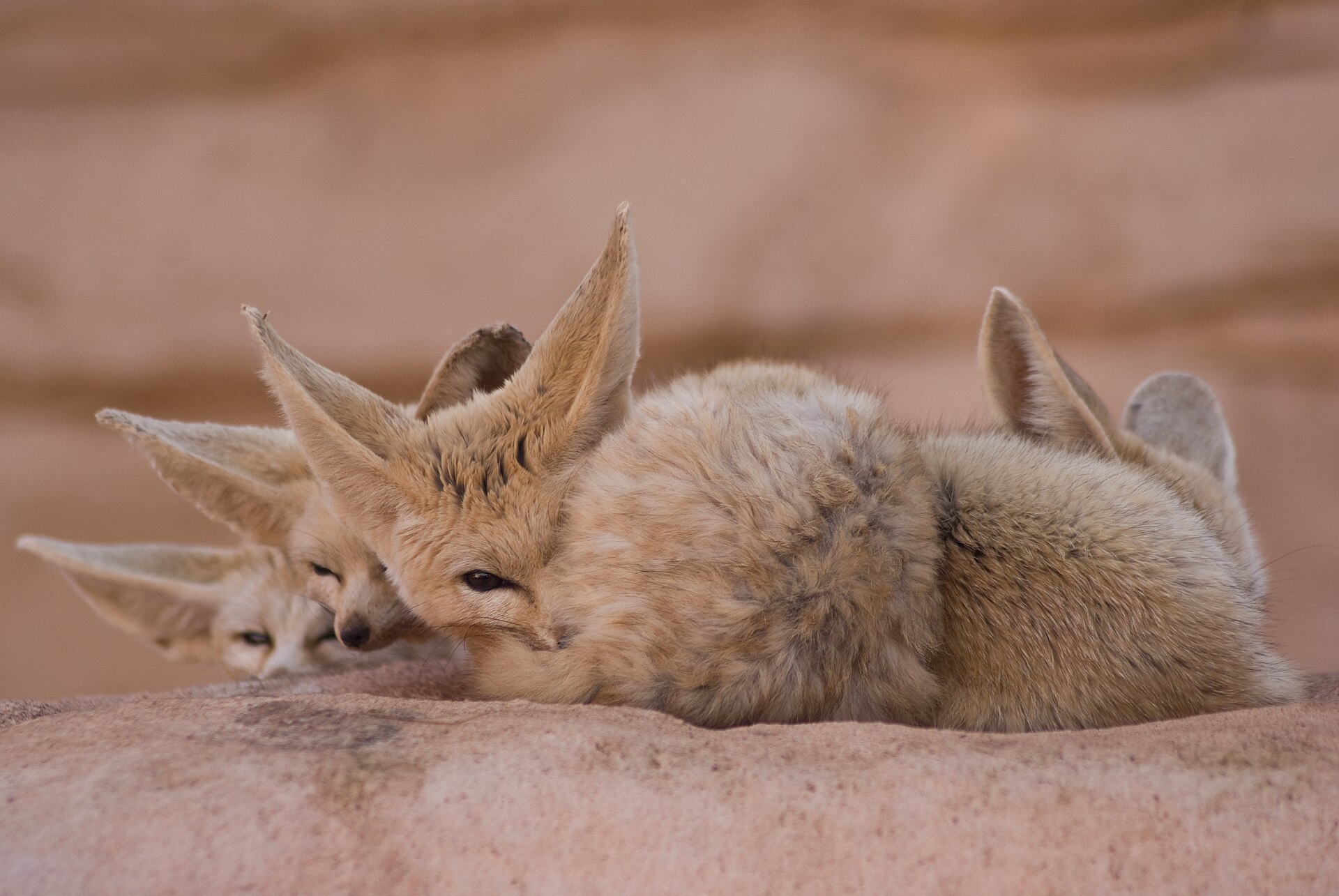
Fennec fox
Vulpes zerda
Giant ears, tiny fox, endless energy.
Pet trade

African wild dog
Lycaon pictus
Pet trade

Arctic fox
Vulpes lagopus
Pet trade

Bat-eared fox
Otocyon megalotis
Pet trade

Bush dog
Speothos venaticus
Pet trade