
Home / Reptiles / Snakes / Colubridae / Leopard snake
No federal permit to keepLeopard snake
Zamenis situla
Reptiles › Snakes (Serpentes) › Colubridae (Colubrid snakes)
Care at a glance
Setup
One answer per setting. Where sources differ, the smaller figure is the minimum and the larger is what we recommend.
| Hot spot | At least 85°F Preferably 90°F Provided during the active period as a basking hot spot. | kingsnake.com |
| Warm side | At least 70°F Preferably 75°F Satisfactory cage temperature during the active period. | kingsnake.com |
| Brumation | 90 day A period of hibernation is recommended for captives. | kingsnake.com |
Care guide
By age
| Hatchlings | Feeding: Hatchlings may refuse food until they have been hibernated. | kingsnake.com |
Understanding the animal
Localities
Localities
Keepers buy these by where the bloodline comes from. Care is basically the same; size, color and temperament can differ. “Breeder-reported” details still need a published source.
| Egypt | Type locality originally given by Carl Linnaeus in error as this species does not occur there. | Published Wikipedia |
In the wild
In the wild
Researched for this exact species, not its family. Wild conditions are context, not enclosure settings.12
| Where it lives | The leopard snake inhabits Mediterranean-type shrubby vegetation, pastureland, plantations, and rural gardens, reaching up to 1,600 meters above sea level. |
| Active | Captive leopard rat snakes are seasonally active and spend most of their time securely hidden in their hideboxes. |
| Wild diet | Wild leopard snakes are attracted to anthropogenic habitats like barns and gardens, most likely attracted by rodents. |
| Behavior to plan for | Leopard rat snakes are agile climbers while also being entirely at home on the ground. |
Profile
Profile
Researched for this exact species. Sources are listed under In the wild above.
Keeper tips
- Captive leopard rat snakes have proven to be shy and spend the majority of their time hidden.
- The European ratsnake is classified as a nonvenomous species belonging to the family Colubridae.
Data and studies
Veterinary & husbandry research
Veterinary & husbandry research
- A new subspecies of Zamenis hohenackeri (Strauch, 1873) (Serpentes: Colubridae) based on morphological and molecular data. et al., Zootaxa 2018
Peer-reviewed papers that mention this species alongside captivity, zoos, veterinary care or aquaculture. Some cover several species or mention it only in passing, so check the abstract. PubMed
Sources for this sheet
- 4236 leopard rat snake zamenis situla (kingsnake.com) Community referenceBreeder or hobbyist source; details are breeder-reported.
- Wikipedia: Zamenis situla (CC BY-SA 4.0) Community referenceEncyclopedia article.
- The Reptile Database: Zamenis situla Zoo, university or veterinaryTaxonomy, distribution and literature for every reptile species.
- The Reptile Database Peer-reviewed researchScientist-curated catalog of every reptile species, with taxonomy and literature.
- GBIF Backbone Taxonomy (Global Biodiversity Information Facility) (CC BY 4.0) Peer-reviewed researchInternational scientific taxonomy used here for classification. GBIF Secretariat (2023). GBIF Backbone Taxonomy. Checklist dataset https://doi.org/10.15468/39omei, accessed via GBIF.org.
- PubMed (U.S. National Library of Medicine) Peer-reviewed researchIndex of peer-reviewed veterinary, zoo and husbandry research.
More colubrid snakes
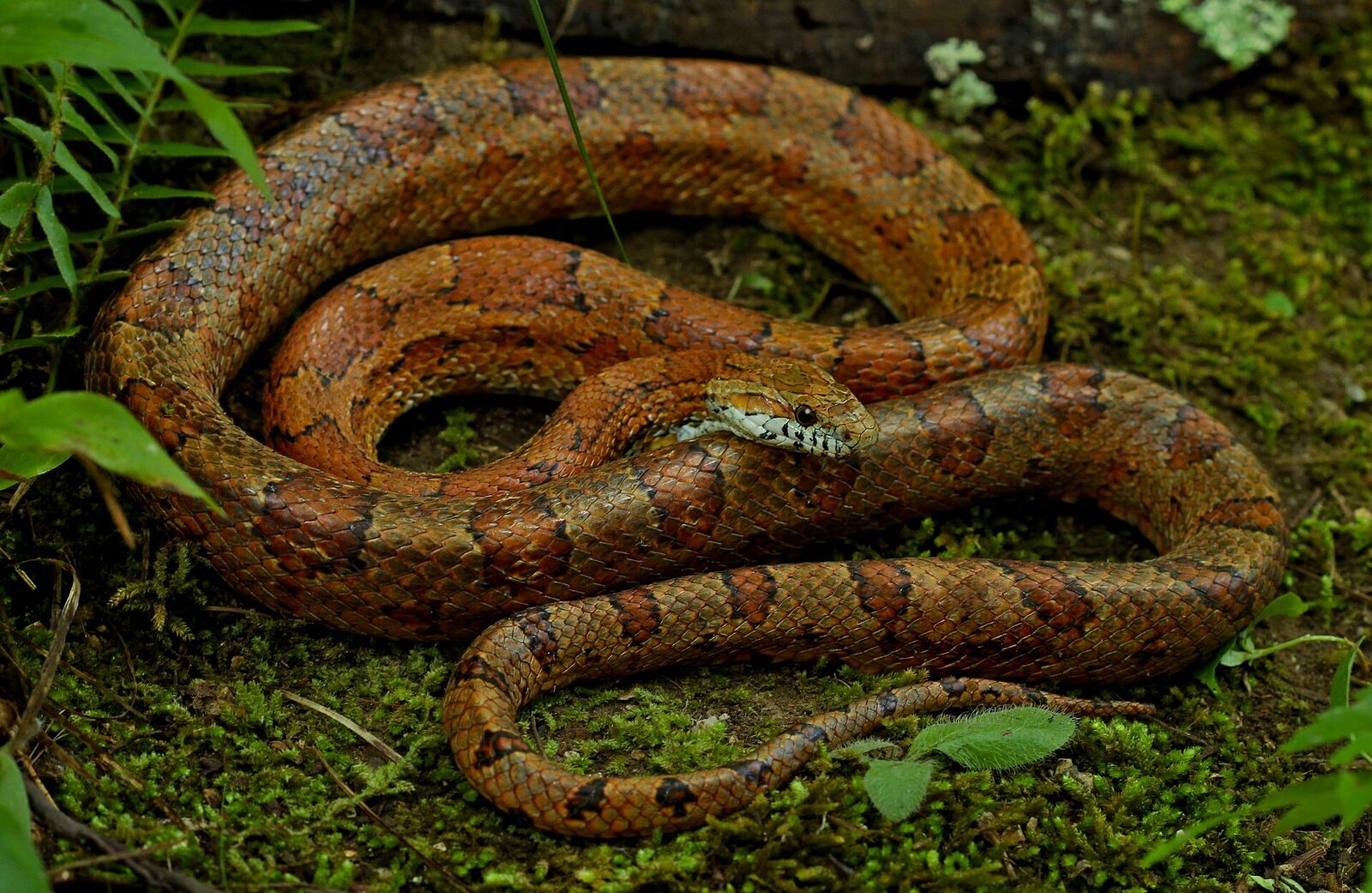
Corn snake
Pantherophis guttatus
Hardy, easy-going and colorful.
Pet trade
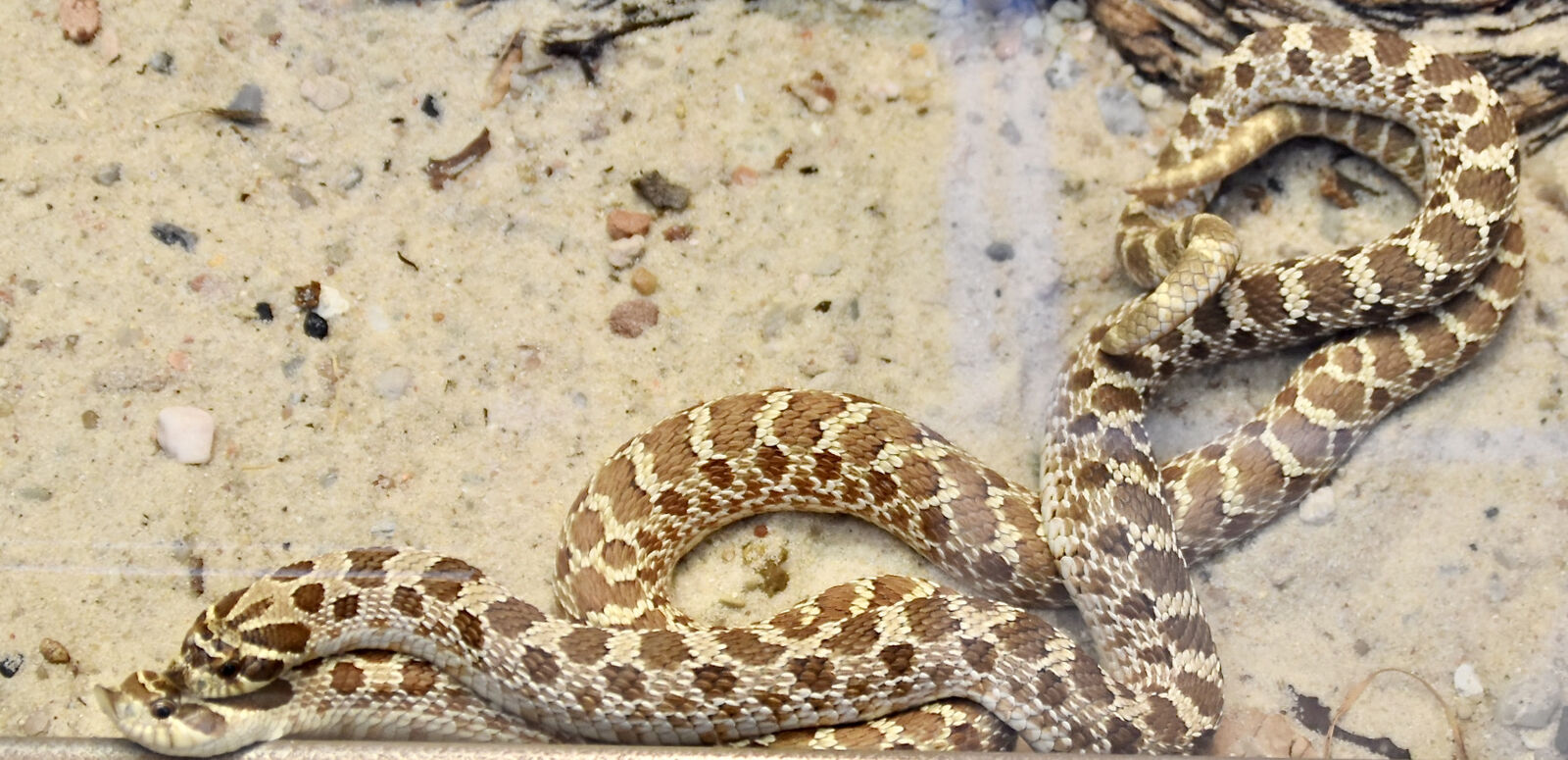
Western hognose snake
Heterodon nasicus
Dramatic bluffs from a tiny, upturned-nose snake.
Pet trade

Amur (Russian) rat snake
Elaphe schrenckii
Pet trade

Andean milk snake
Lampropeltis micropholis
Pet trade

Arizona mountain kingsnake
Lampropeltis pyromelana
Pet trade

Baird's rat snake
Pantherophis bairdi
Pet trade