
Home / Reptiles / Snakes / Colubridae / Plainbelly water snake
No federal permit to keepPlainbelly water snake
Nerodia erythrogaster
Reptiles › Snakes (Serpentes) › Colubridae (Colubrid snakes)
Nerodia erythrogaster, also known as the plain-bellied water snake or plainbelly water snake, is a common species of semi-aquatic, non-venomous colubrid snake endemic to the United States.
From Wikipedia: Nerodia erythrogaster, CC BY-SA 4.0 (excerpt)

Care at a glance
Setup
One answer per setting. Where sources differ, the smaller figure is the minimum and the larger is what we recommend.
| Adult enclosure | 30 gal tall, 40 gal breeder or 55 gal long Equivalent sized caging for adult females. | reptiletalk.net |
| Hot spot | At least 86°F Preferably 88°F Basking 30-31 °C (86-88 °F). | reptiletalk.net |
| Cool side | At least 76°F Preferably 78°F Cooler end so the snake can thermoregulate. | reptiletalk.net |
| Humidity | At least 40% Preferably 60% Ambient humidity if no humid retreat; too high can cause skin issues. | reptiletalk.net |
| Lighting | 12 h Full spectrum lighting on a 12h cycle. | reptiletalk.net |
| Substrate | One that holds humidity without becoming soaked or molding, such as cypress mulch. | reptiletalk.net |
| Food | Most can be swapped to rodents or reptilinks with scenting. | reptiletalk.net |
| Housing | Advises against aquatic or semi-aquatic setups (skin issues). | reptiletalk.net |
Care guide
By age
| Juvenile | Feeding: Every 3-4 days on fish, 4-5 on pinks or reptilinks | reptiletalk.net |
- Incomplete sheds: A sign of severe health or husbandry error reptiletalk.net
Understanding the animal
In the wild
In the wild
Researched for this exact species, not its family. Wild conditions are context, not enclosure settings.1234
| Where it lives | Bottomland hardwood forests, swamps, sloughs and riparian areas, also ponds and lakes. |
| Wild diet | Mainly amphibians, especially frogs, plus fish. |
Profile
Profile
Researched for this exact species. Sources are listed under In the wild above.
Keeper tips
- Musks and bites if threatened.
Remarkable facts
- 15 years or more.
- 24 to 40 inches (76-122 cm) total length.
Data and studies
Veterinary & husbandry research
Veterinary & husbandry research
- Placentation in watersnakes II: Placental ultrastructure in Nerodia erythrogaster (Colubridae: Natricinae). et al., Journal of morphology 2017
- Phylogeographic analysis and environmental niche modeling of the plain-bellied watersnake (Nerodia erythrogaster) reveals low levels of genetic and ecological differentiation. et al., Molecular phylogenetics and evolution 2010
- Comparative host-pathogen associations of Snake Fungal Disease in sympatric species of water snakes (Nerodia). et al., Scientific reports 2022
- Ophidiomycosis surveillance of snakes in Georgia, USA reveals new host species and taxonomic associations with disease. et al., Scientific reports 2020
Peer-reviewed papers that mention this species alongside captivity, zoos, veterinary care or aquaculture. Some cover several species or mention it only in passing, so check the abstract. PubMed
Sources for this sheet
- Plainbelly water snake (reptiletalk.net) Experienced keeper or breederKeeper care guide.
- Wikipedia: Nerodia erythrogaster (CC BY-SA 4.0) Community referenceEncyclopedia article.
- The Reptile Database: Nerodia erythrogaster Zoo, university or veterinaryTaxonomy, distribution and literature for every reptile species.
- Nerodia erythrogaster (kysnakes.mgcafe.uky.edu) Peer-reviewed researchPublished research.
- Red bellied watersnake (srelherp.uga.edu) Peer-reviewed researchPublished research.
- The Reptile Database Peer-reviewed researchScientist-curated catalog of every reptile species, with taxonomy and literature.
- GBIF Backbone Taxonomy (Global Biodiversity Information Facility) (CC BY 4.0) Peer-reviewed researchInternational scientific taxonomy used here for classification. GBIF Secretariat (2023). GBIF Backbone Taxonomy. Checklist dataset https://doi.org/10.15468/39omei, accessed via GBIF.org.
- Wikipedia (species article) (CC BY-SA 4.0) Community referenceFree encyclopedia; useful overviews with their own citations. Short excerpts are quoted under CC BY-SA 4.0, each credited with a link to its article.
- PubMed (U.S. National Library of Medicine) Peer-reviewed researchIndex of peer-reviewed veterinary, zoo and husbandry research.
More colubrid snakes
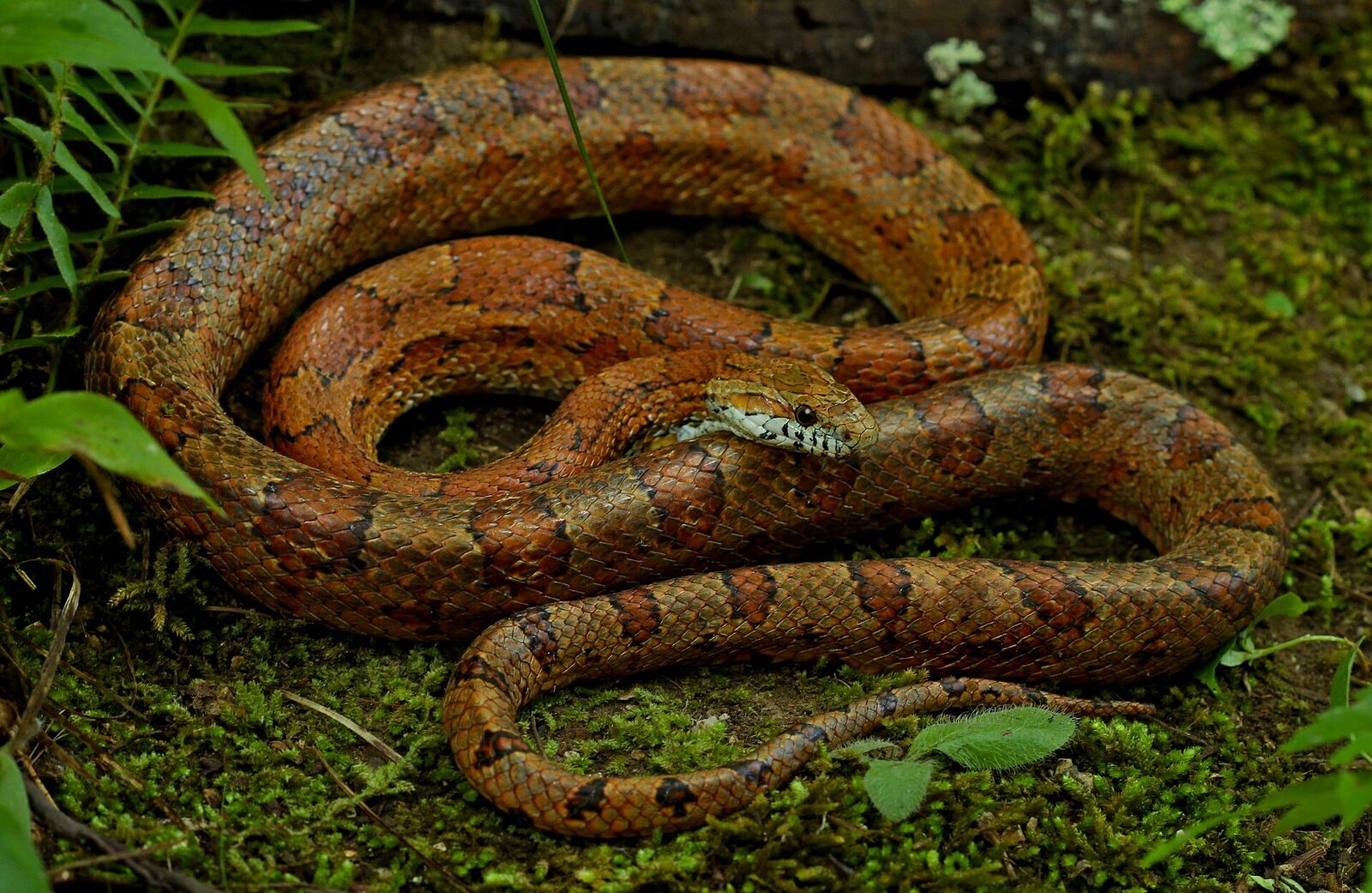
Corn snake
Pantherophis guttatus
Hardy, easy-going and colorful.
Pet trade
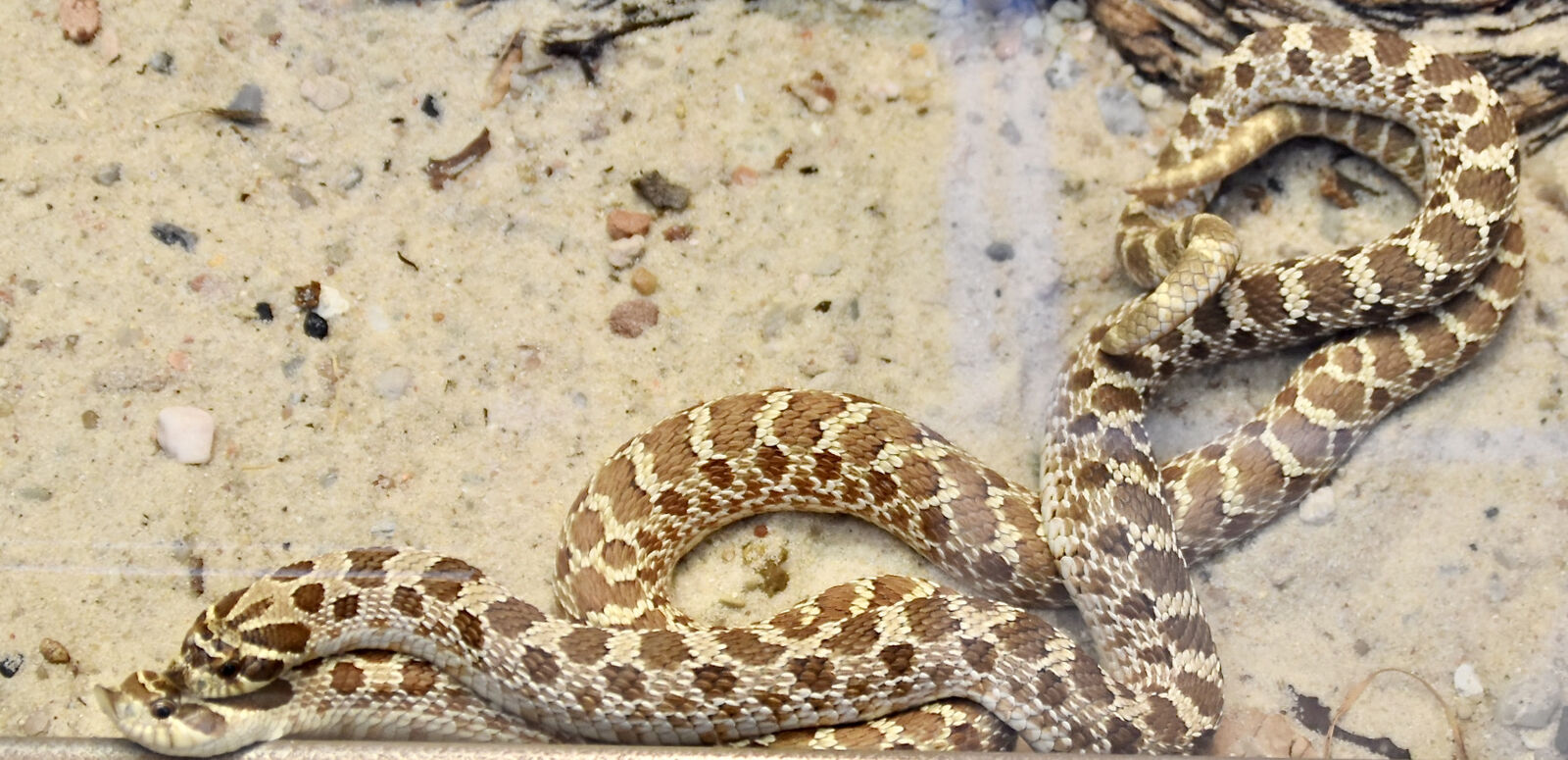
Western hognose snake
Heterodon nasicus
Dramatic bluffs from a tiny, upturned-nose snake.
Pet trade

Amur (Russian) rat snake
Elaphe schrenckii
Pet trade

Andean milk snake
Lampropeltis micropholis
Pet trade

Arizona mountain kingsnake
Lampropeltis pyromelana
Pet trade

Baird's rat snake
Pantherophis bairdi
Pet trade