
Home / Fishes / Carp, barbs, minnows, loaches / Danionidae / Rasbora sarawakensis
No federal permit to keepRasbora sarawakensis
Rasbora sarawakensis
Fishes › Carp, barbs, minnows, loaches (Cypriniformes) › Danionidae (Danios and rasboras)
Rasbora sarawakensis, also known as the blue line rasbora or Sarawak rasbora, is a species of ray-finned fish in the genus Rasbora which is endemic to the island of Borneo.
From Wikipedia: Rasbora sarawakensis, CC BY-SA 4.0 (excerpt)

Care at a glance
Species care notes
Read the full care sheet at Seriously Fish: habitat, aquarium size, water conditions, diet, behaviour and breeding.
Understanding the animal
In the wild
In the wild
From this species’ own FishBase record (habitat, bottom type, water and breeding data), not its family. Wild conditions are context, not enclosure settings.1
| Where it lives | Lives in freshwater. Uses both the bottom and open water. |
| Climate | Tropical climate. |
Data and studies
The numbers
The numbers
Each bar is what one source reports. Where several sources weigh in, the dashed gold band marks their average.
Adult length
Maximum recorded length. Measured as standard length (snout to the base of the tail, not counting the tail fin). Fish in home aquariums often stay smaller than wild records.
Sources for this sheet
- FishBase (Froese & Pauly, eds.), version 24.07 (CC BY-NC 4.0) Peer-reviewed researchThe global scientific database on fishes, maintained by a consortium of research institutions; every value is referenced.
- Seriously Fish species profiles Experienced keeper or breederLong-running aquarium reference written and peer-checked by experienced fishkeepers and ichthyologists; each profile covers habitat, tank size, water, diet, behaviour and breeding.
- Wikipedia (species article) (CC BY-SA 4.0) Community referenceFree encyclopedia; useful overviews with their own citations. Short excerpts are quoted under CC BY-SA 4.0, each credited with a link to its article.
More danios and rasboras

Bengal danio
Devario devario
Aquarium hobby

Betadevario ramachandrani
Betadevario ramachandrani
Aquarium hobby

Blackline rasbora
Rasbora borapetensis
Aquarium hobby

Blue danio
Danio kerri
Aquarium hobby
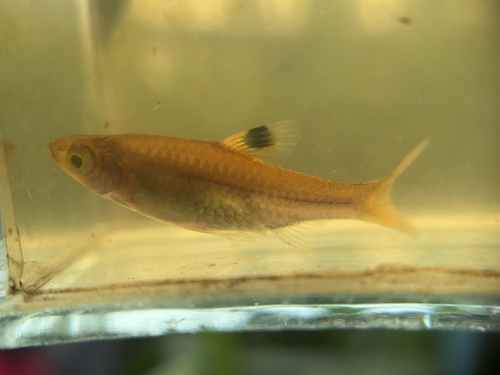
Brevibora cheeya
Brevibora cheeya
Aquarium hobby
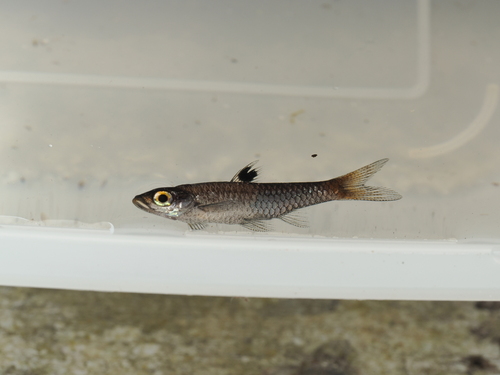
Brevibora exilis
Brevibora exilis
Aquarium hobby