
Home / Mammals / Rodents / Shaw's jird
Some federal rules applyShaw's jird
Meriones shawi
Mammals › Rodents (Rodentia) › Muridae (Rats, mice and gerbils)
Shaw's jird is a species of rodent in the family Muridae.

Care at a glance
Setup
One answer per setting. Where sources differ, the smaller figure is the minimum and the larger is what we recommend.
| Adult enclosure | A glass tank: strong teeth chew out of plastic or wooden cages. | vets.uk.net |
| Enclosure | No published minimum for this species. Closest source: A glass tank, a third filled with hay or straw mixed with sawdust for digging tunnels | vets.uk.net |
| Bedding | Fill a third of the tank with hay or straw mixed with sawdust for digging tunnels. | vets.uk.net |
| Chewing | Washed apple or willow branches make good climbing frames. | vets.uk.net |
| Food | Complete rodent mix plus a variety of fresh fruits and vegetables. | vets.uk.net |
| Water | Always available, in a bottle or a dish that can't tip. | vets.uk.net |
| Social housing | Two males raised together; keep females singly, they fight. | vets.uk.net |
Understanding the animal
About this animal
About this animal
It is found in Algeria, Egypt, Libya, Morocco, and Tunisia. Its natural habitats are arable land, pastureland, and rural gardens.
From Wikipedia: Shaw's jird, CC BY-SA 4.0 (excerpt)
In the wild
In the wild
Researched for this exact species, not its family. Wild conditions are context, not enclosure settings.123
| Where it lives | North Africa: arable land, pasture and rural gardens. |
| Social life | Lives in groups in the wild. |
Profile
Profile
Researched for this exact species. Sources are listed under In the wild above.
Keeper tips
- Active, curious, sociable and friendly; rarely bites.
Remarkable facts
- Typically 1-2 years (wild figure).
- Adult males reach up to 14 inches including the tail; the tail is about half.
Data and studies
Veterinary & husbandry research
Veterinary & husbandry research
- Infectiousness of Asymptomatic Meriones shawi, Reservoir Host of Leishmania major. et al., Pathogens (Basel, Switzerland) 2023
- Development of Acanthocheilonema viteae in Meriones shawi: Absence of microfilariae and production of active ES-62. et al., Parasite immunology 2021
- Tracing the fate of microcystins from irrigation water to food chains: Studies with Fragaria vulgaris and Meriones shawi. et al., Toxicon: official journal of the International Society on Toxinology 2023
- Neuroprotective effects of oleuropein on retina photoreceptors cells primary culture and olive leaf extract and oleuropein inhibitory effects on aldose reductase in a diabetic model: Meriones shawi. et al., Archives of physiology and biochemistry 2022
Peer-reviewed papers that mention this species alongside captivity, zoos, veterinary care or aquaculture. Some cover several species or mention it only in passing, so check the abstract. PubMed
Sources for this sheet
- 42 CFR 71.56: African rodents and other animals that may carry monkeypox (CDC) Zoo, university or veterinaryFederal import ban on African rodents.
- Caresheets shaws jirds (vets.uk.net) Community referenceWeb page.
- Wikipedia: Meriones shawi (CC BY-SA 4.0) Community referenceEncyclopedia article.
- Shaws jird meriones shawi (fws.gov) Expert educator & keeperZoo, government or conservation body.
- Shawsjird (web.archive.org) Community referenceWeb page.
- Shaws jird (crittery.co.uk) Community referenceWeb page.
- GBIF Backbone Taxonomy (Global Biodiversity Information Facility) (CC BY 4.0) Peer-reviewed researchInternational scientific taxonomy used here for classification. GBIF Secretariat (2023). GBIF Backbone Taxonomy. Checklist dataset https://doi.org/10.15468/39omei, accessed via GBIF.org.
- Wikipedia (species article) (CC BY-SA 4.0) Community referenceFree encyclopedia; useful overviews with their own citations. Short excerpts are quoted under CC BY-SA 4.0, each credited with a link to its article.
- PubMed (U.S. National Library of Medicine) Peer-reviewed researchIndex of peer-reviewed veterinary, zoo and husbandry research.
More rats, mice and gerbils
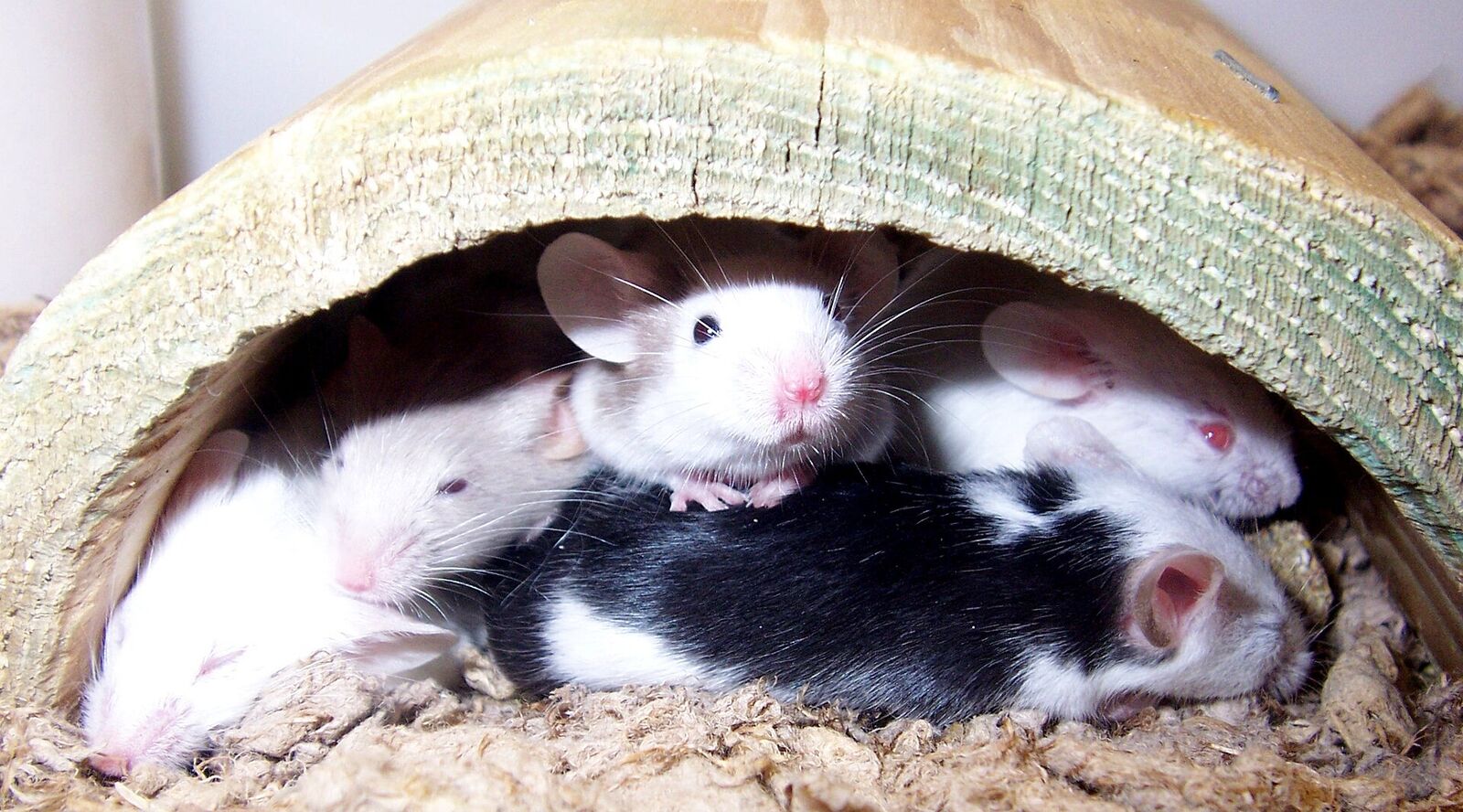
Fancy mouse
Mus musculus
Tiny, busy and fun to watch.
Pet trade
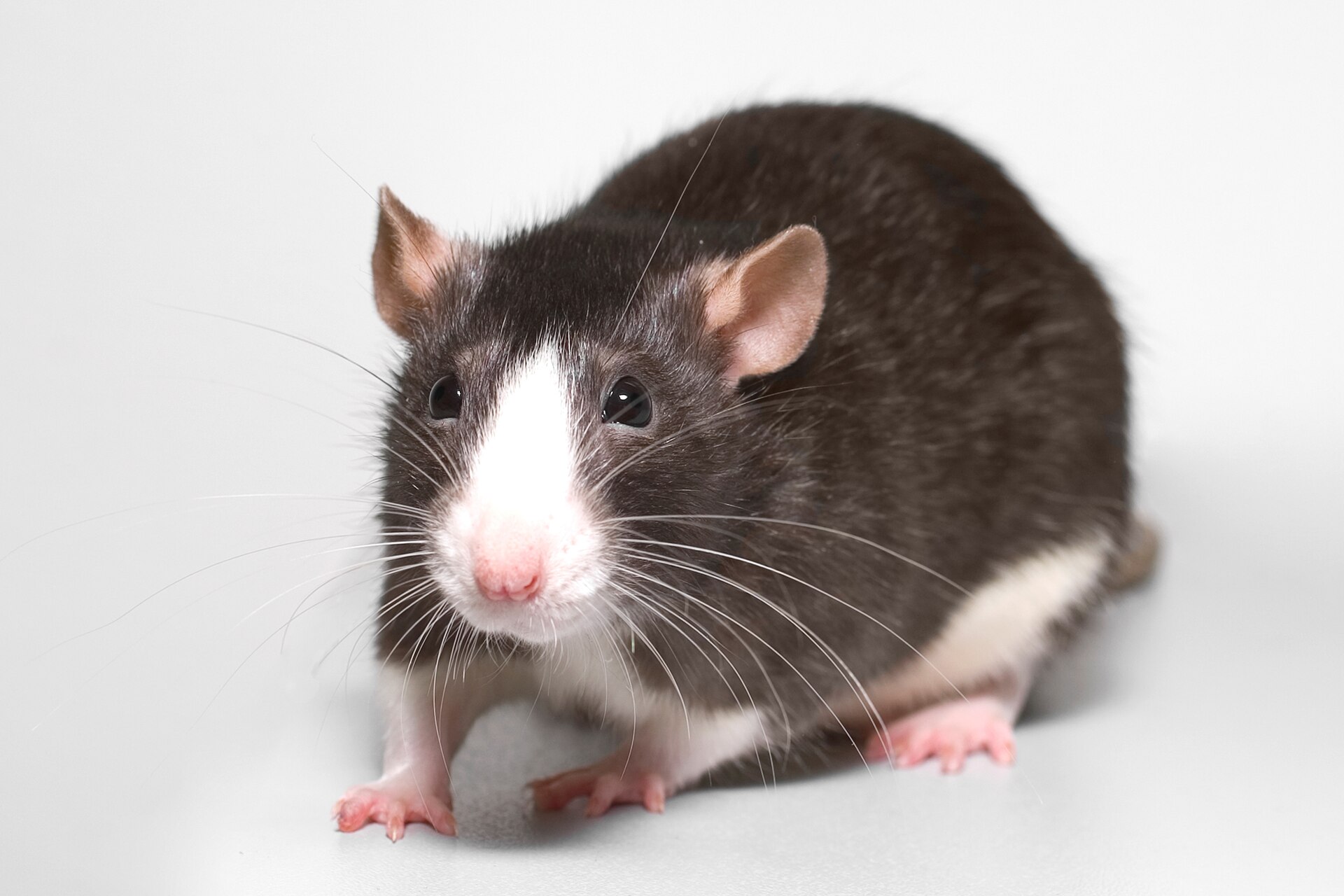
Fancy rat
Rattus norvegicus
Clever, affectionate and endlessly curious.
Pet trade
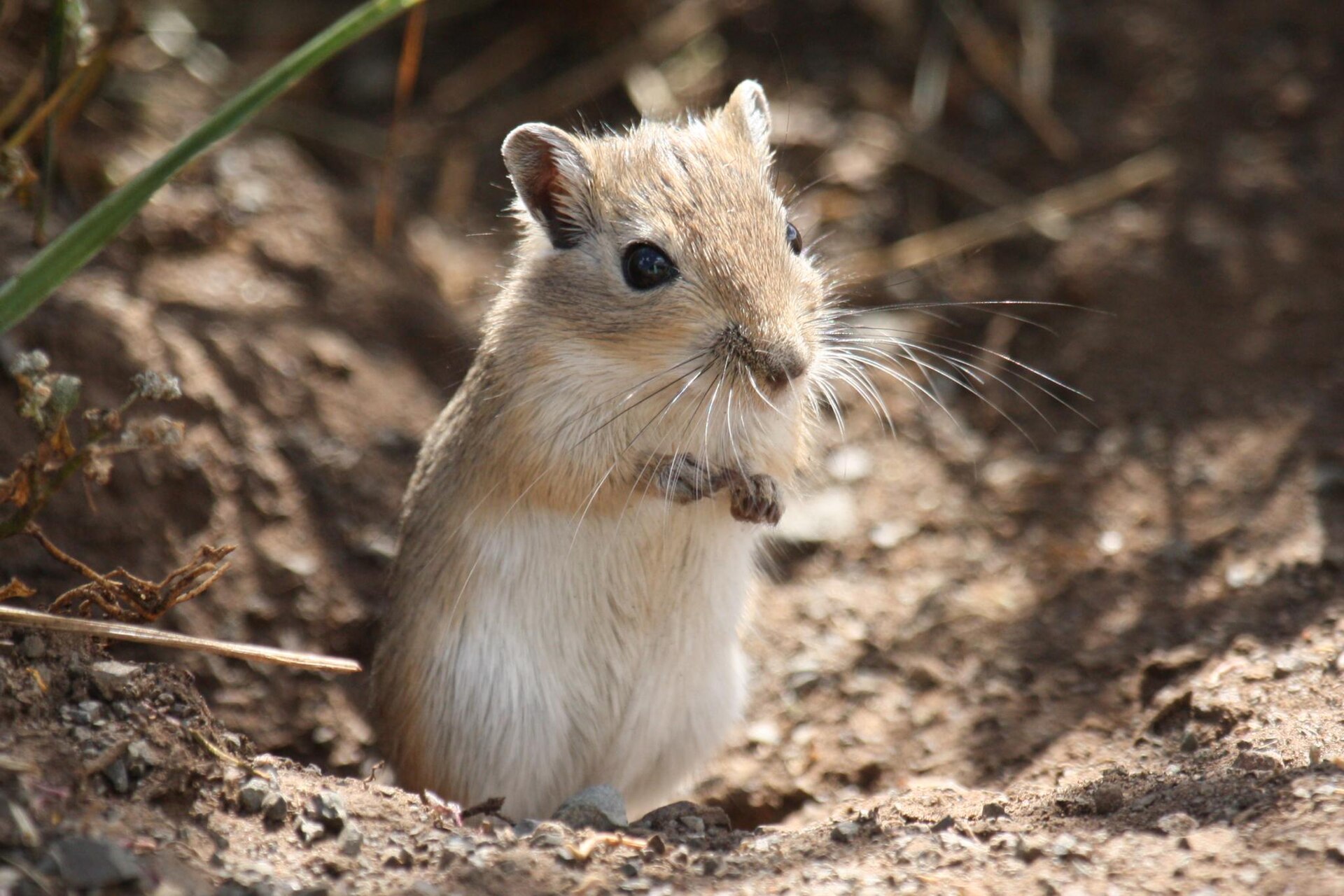
Mongolian gerbil
Meriones unguiculatus
Desert diggers that love company.
Pet trade

Acacia rat
Thallomys paedulcus
Pet trade

African pygmy mouse
Mus minutoides
Pet trade

Arabian spiny mouse
Acomys dimidiatus
Pet trade