
Home / Mammals / Rodents / Southern multimammate mouse
Some federal rules applySouthern multimammate mouse
Mastomys coucha
Mammals › Rodents (Rodentia) › Muridae (Rats, mice and gerbils)

Care at a glance
Setup
One answer per setting. Where sources differ, the smaller figure is the minimum and the larger is what we recommend.
| Adult enclosure | 80 x 40cm Guideline cage size for a pair. | crittery.co.uk |
| Temperature | At least 70°F Preferably 75-78°F 70-80°F ambient, 75-78°F ideal; below 65°F causes discomfort. | furrycritter.com |
| Bedding | Avoid cedar and pine shavings: aromatic oils harm breathing. | furrycritter.com |
| Exercise wheel | 6-8 inches Solid-surface wheels at least 6-8 inches in diameter. | furrycritter.com |
| Food | Good rodent mix plus fruits and vegetables, and occasionally live crickets or mealworms. | crittery.co.uk |
| Water | Water should always be available. | crittery.co.uk |
| Social housing | All-female groups can be more stable than male groups. | crittery.co.uk |
Understanding the animal
In the wild
In the wild
Researched for this exact species, not its family. Wild conditions are context, not enclosure settings.123
| Where it lives | Southern Africa: open grassland, shrubland and semidesert karoo. |
| Active | Nocturnal ecological generalist. |
| Social life | Lives naturally in colonies and must have company to avoid depression. |
| Wild diet | Opportunist omnivore eating a variety of plant and animal foods. |
| Behavior to plan for | New to the pet trade; more often kept as a feeder rodent for snakes than as a pet. |
Profile
Profile
Researched for this exact species. Sources are listed under In the wild above.
Keeper tips
- Can be handled but nips more than fancy mice; males may be more aggressive.
Remarkable facts
- 2-3 years.
- 4-6 inches body, 3-5 inch tail, 1.5-3 ounces.
Data and studies
Veterinary & husbandry research
Veterinary & husbandry research
- Host and habitat shape ectoparasite diversity on Mastomys natalensis and Mastomys coucha (Muridae). et al., Parasitology 2024
- Comparative Genomic Characterization of the Multimammate Mouse Mastomys coucha. et al., Molecular biology and evolution 2019
- Experimental chemotherapy of filariasis: comparative evaluation of the efficacy of filaricidal compounds in Mastomys coucha infected with Litomosoides carinii, Acanthocheilonema viteae, Brugia malayi and B. pahangi. et al., Acta tropica 1993
- Mastomys Species as Model Systems for Infectious Diseases. et al., Viruses 2019
Peer-reviewed papers that mention this species alongside captivity, zoos, veterinary care or aquaculture. Some cover several species or mention it only in passing, so check the abstract. PubMed
Sources for this sheet
- 50 CFR Part 16: Injurious wildlife (Lacey Act) Zoo, university or veterinaryCurrent federal regulation, read from eCFR.
- U.S. Association of Reptile Keepers v. Zinke (D.C. Cir. 2017) Zoo, university or veterinaryAppeals ruling that the Lacey Act's shipping ban does not cover moves between the continental states.
- 42 CFR 71.56: African rodents and other animals that may carry monkeypox (CDC) Zoo, university or veterinaryFederal import ban on African rodents.
- Multimammate mice environment (crittery.co.uk) Community referenceWeb page.
- Multimammate mouse (furrycritter.com) Experienced keeper or breederKeeper care guide.
- Multimammate mice (crittery.co.uk) Community referenceWeb page.
- Wikipedia: Mastomys coucha (CC BY-SA 4.0) Community referenceEncyclopedia article.
- GBIF Backbone Taxonomy (Global Biodiversity Information Facility) (CC BY 4.0) Peer-reviewed researchInternational scientific taxonomy used here for classification. GBIF Secretariat (2023). GBIF Backbone Taxonomy. Checklist dataset https://doi.org/10.15468/39omei, accessed via GBIF.org.
- PubMed (U.S. National Library of Medicine) Peer-reviewed researchIndex of peer-reviewed veterinary, zoo and husbandry research.
More rats, mice and gerbils
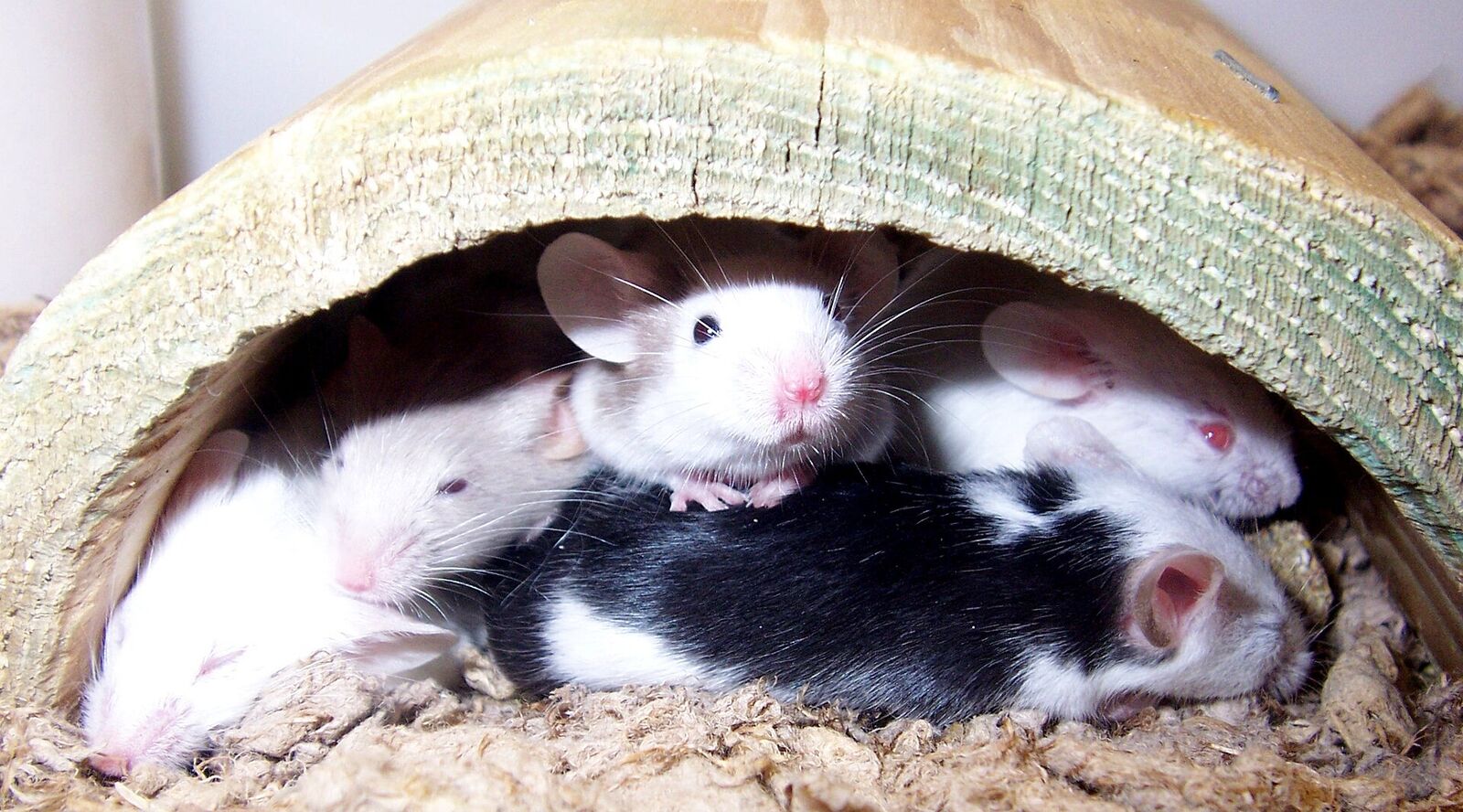
Fancy mouse
Mus musculus
Tiny, busy and fun to watch.
Pet trade
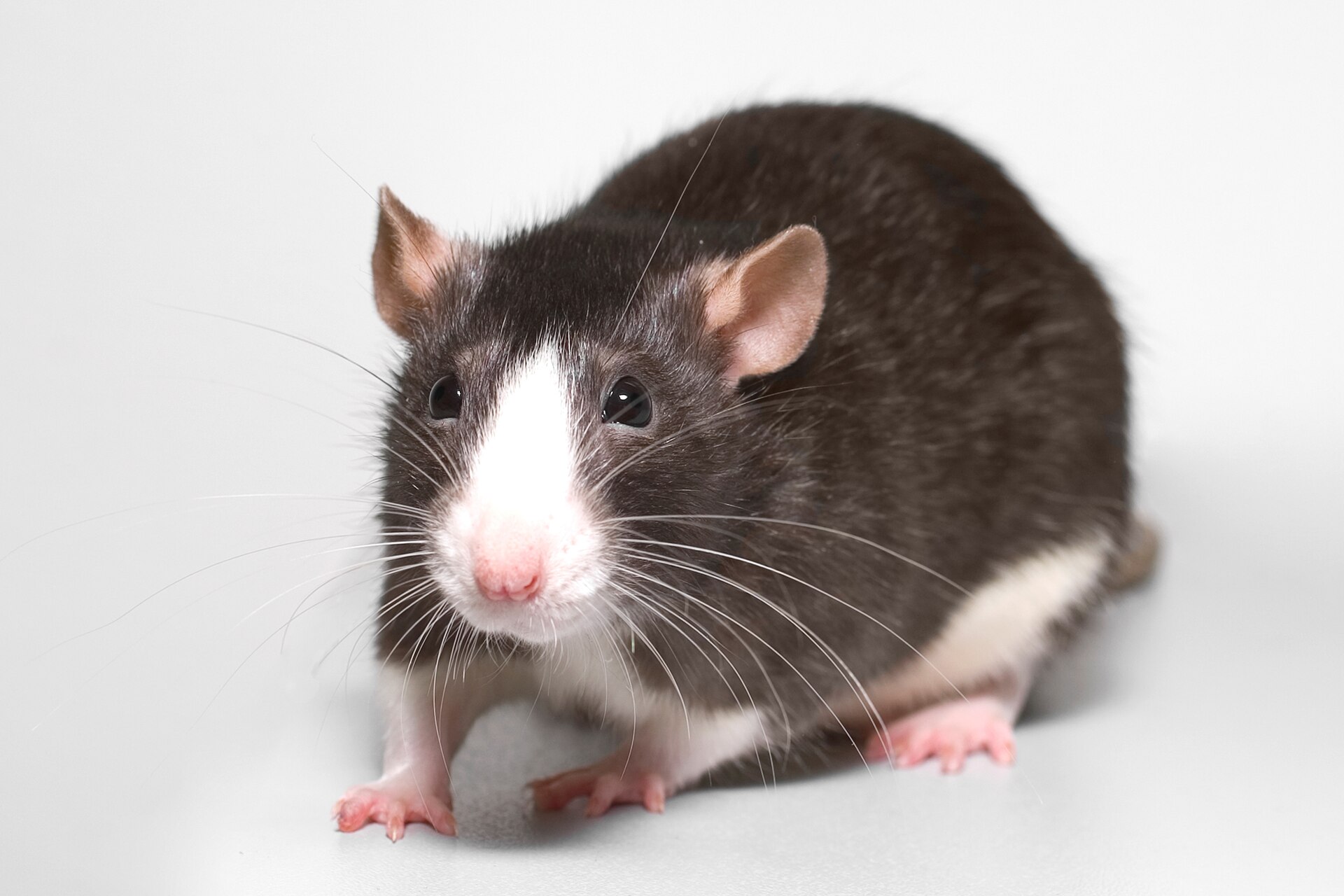
Fancy rat
Rattus norvegicus
Clever, affectionate and endlessly curious.
Pet trade
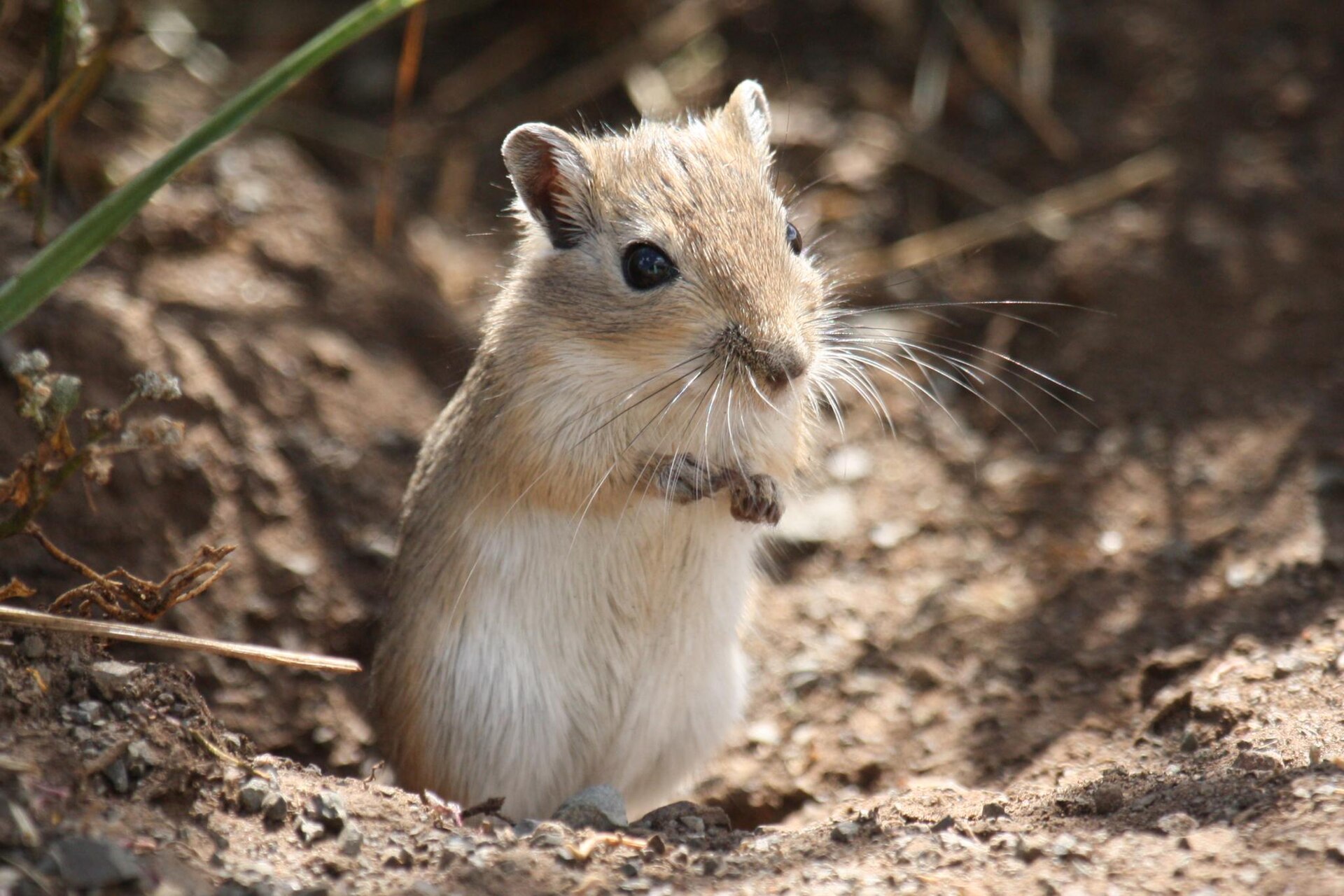
Mongolian gerbil
Meriones unguiculatus
Desert diggers that love company.
Pet trade

Acacia rat
Thallomys paedulcus
Pet trade

African pygmy mouse
Mus minutoides
Pet trade

Arabian spiny mouse
Acomys dimidiatus
Pet trade