
Home / Reptiles / Snakes / Colubridae / Tricolor hognose
No federal permit to keepTricolor hognose
Xenodon pulcher
Reptiles › Snakes (Serpentes) › Colubridae (Colubrid snakes)
Xenodon pulcher is a species of fossorial, mildly venomous snake in the subfamily Dipsadinae of the family Colubridae.
From Wikipedia: Xenodon pulcher, CC BY-SA 4.0 (excerpt)

Care at a glance
Species-specific values
Values researched for this exact species. Air, surface and water temperatures are listed separately, and each source is kept as published rather than averaged.
| Minimum enclosure | Minimum enclosure size is 3 x 2 x 2 ft. Source: reptilecentre.com | |
| Cool side air temperature | 70 °F Source: reptilecentre.com | |
| Night temperature | 80 °F Source: reptilecentre.com | |
| Uvb lighting | UVB is beneficial; the article suggests a 5% T8 tube or 2–5% T5 tube. Source: reptilecentre.com | |
| Diet | Feed frozen-thawed rodents, usually mice; larger adults may take small rats. Source: reptilecentre.com | |
| Feeding frequency | Hatchlings weekly; adults once every two weeks. Source: reptilecentre.com | |
| Social housing | A male and female kept together may breed. Source: reptilecentre.com | |
| Substrate | Coarse beech woodchip is used; soil/clay mixes are also suggested. Source: reptilecentre.com |
Understanding the animal
About this animal
About this animal
The species is native to southern South America.
From Wikipedia: Xenodon pulcher, CC BY-SA 4.0 (excerpt)
In the wild
In the wild
| Overview | Xenodon pulcher is a species of fossorial, mildly venomous snake in the subfamily Dipsadinae of the family Colubridae. The species is native to southern South America. — From Wikipedia: Xenodon pulcher, CC BY-SA 4.0 (excerpt) |
| Where it lives | Xenodon pulcher is primarily found in the Chaco bioregion, extending through Bolivia, Paraguay, and northern Argentina. Its range may extend into Chile and parts of southwestern Brazil. This region is a dry, sandy environment on the eastern foothills of the Andes, characterized by dry scrubland, grasslands, and savannas. — From Wikipedia: Xenodon pulcher, CC BY-SA 4.0 (excerpt) |
| Appearance and size | This tricolor hognose snake is distinguishable by its namesake upturned rostral scale and striking banded pattern of white stripes bordered with black on a red base. It uses mimicry for defense, as it displays the same colors and patterns as some venomous coral snakes. When threatened, it may use a defensive display involving bluff strikes, neck flattening, and spastic movements similar to coral snakes. — From Wikipedia: Xenodon pulcher, CC BY-SA 4.0 (excerpt) |
Read about this species in the wild at The Reptile Database.
Native climate (measured)
Native climate (measured)
| Warm-season highs | about 92°F (up to 96°F in the hottest sampled areas) |
| Cool-season lows | about 46°F (down to 33°F in the coldest sampled areas) |
| Average temperature | 60–77°F across sampled records |
| Relative humidity | 54–65% on average (driest month about 50%) |
| Rainfall | about 676 mm a year |
Measured at 94 wild occurrence records sampled against WorldClim 2.1 climate data (1970–2000 averages). Air conditions in the range are ecological context, not enclosure settings: microhabitats such as burrows, leaf litter or basking rocks can be cooler, warmer or more humid.
Profile
Profile
Researched for this exact species. Sources are listed under In the wild above.
History
Named after Latin “pulcher” = beautiful, handsome, fine, fair.
Sources for this sheet
- The Reptile Database Peer-reviewed researchScientist-curated catalog of every reptile species, with taxonomy and literature.
- GBIF Backbone Taxonomy (Global Biodiversity Information Facility) (CC BY 4.0) Peer-reviewed researchInternational scientific taxonomy used here for classification. GBIF Secretariat (2023). GBIF Backbone Taxonomy. Checklist dataset https://doi.org/10.15468/39omei, accessed via GBIF.org.
- Wikipedia (species article) (CC BY-SA 4.0) Community referenceFree encyclopedia; useful overviews with their own citations. Short excerpts are quoted under CC BY-SA 4.0, each credited with a link to its article.
- iNaturalist (captive observations) Community referenceCommunity observation platform run by the California Academy of Sciences and National Geographic; observations marked captive show animals living in homes, zoos and aquariums.
More colubrid snakes
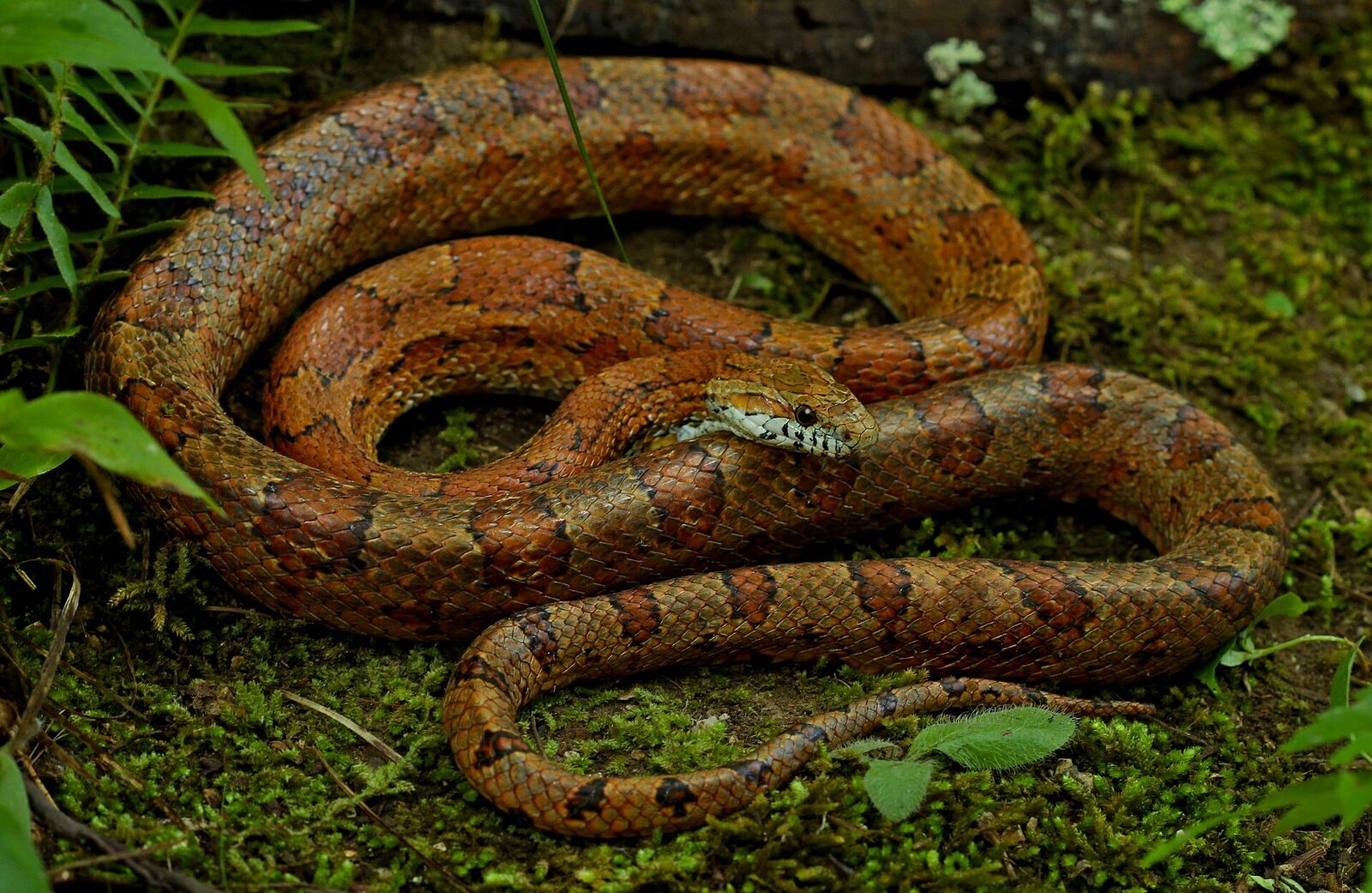
Corn snake
Pantherophis guttatus
Hardy, easy-going and colorful.
Pet trade
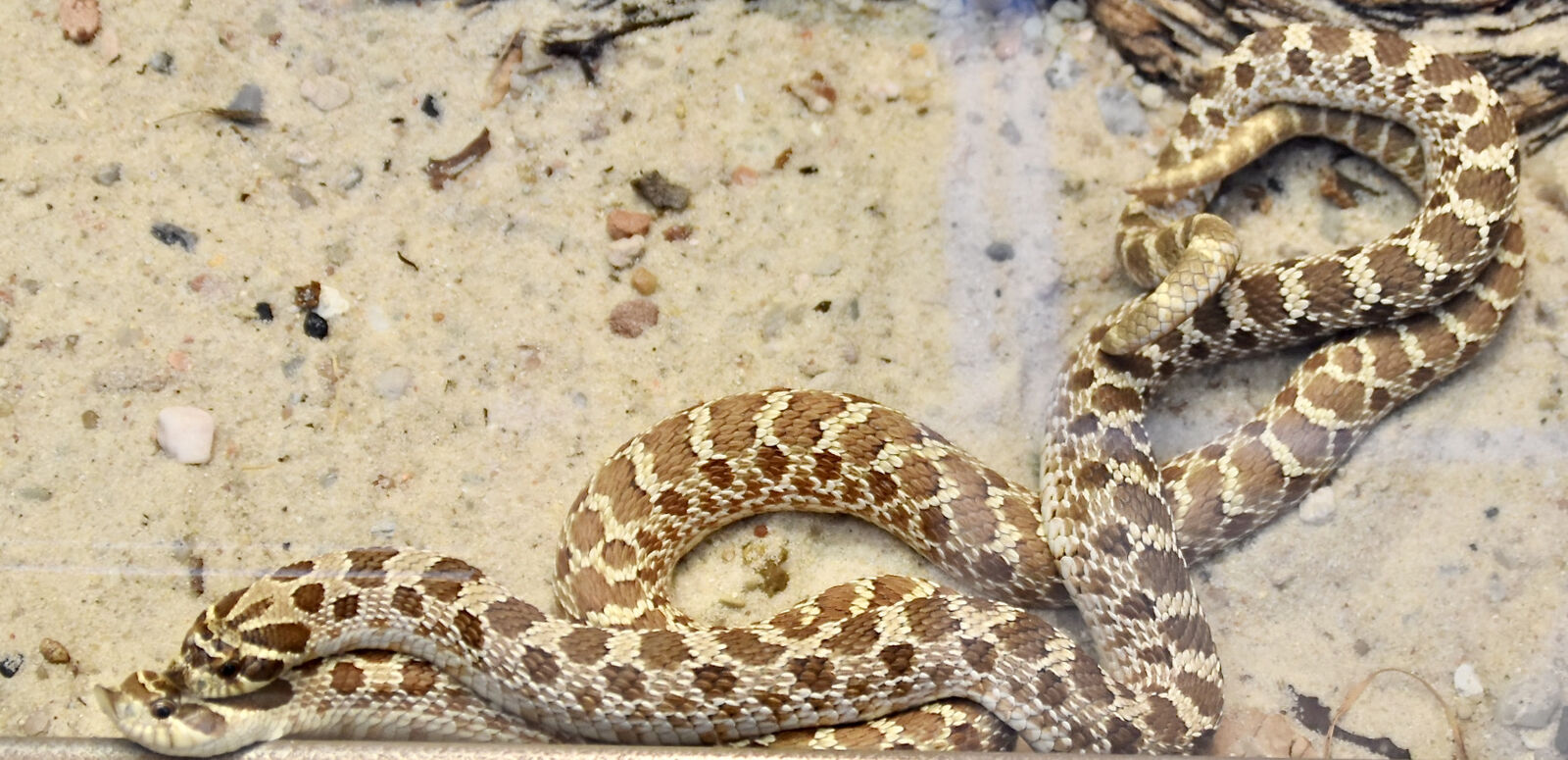
Western hognose snake
Heterodon nasicus
Dramatic bluffs from a tiny, upturned-nose snake.
Pet trade

Amur (Russian) rat snake
Elaphe schrenckii
Pet trade

Andean milk snake
Lampropeltis micropholis
Pet trade

Arizona mountain kingsnake
Lampropeltis pyromelana
Pet trade

Baird's rat snake
Pantherophis bairdi
Pet trade