
Home / Reptiles / Snakes / Colubridae / Variable (Thayer's) kingsnake
No federal permit to keepVariable (Thayer's) kingsnake
Lampropeltis thayeri
Reptiles › Snakes (Serpentes) › Colubridae (Colubrid snakes)
Lampropeltis leonis, known as the Nuevo León kingsnake or variable kingsnake, is a species of colubrid snake endemic to northeastern Mexico.
From Wikipedia: Lampropeltis leonis, CC BY-SA 4.0 (excerpt)

Care at a glance
Species-specific values
Values researched for this exact species. Air, surface and water temperatures are listed separately, and each source is kept as published rather than averaged.
| Minimum enclosure | An adult should ideally be housed alone in a minimum 3ft vivarium. Source: exotic-pets.co.uk | |
| Basking surface temperature | 86 °F Source: exotic-pets.co.uk | |
| Warm side air temperature | 78–82 °F Source: exotic-pets.co.uk | |
| Uvb lighting | Provide UVB, with a UVI reading up to 1.4 (Ferguson zone 1). Source: exotic-pets.co.uk | |
| Diet | Hatchlings initially eat defrosted day-old pinkie mice; adults take an adult mouse. Source: exotic-pets.co.uk | |
| Feeding frequency | Feed hatchlings every 5-7 days. Source: exotic-pets.co.uk | |
| Feeding frequency | Feed adults every 10-14 days. Source: exotic-pets.co.uk | |
| Social housing | House alone because kingsnakes can be cannibalistic. Source: exotic-pets.co.uk | |
| Substrate | Use Aspen, Lignocel, or a natural sand and soil mix. Source: exotic-pets.co.uk | |
| Seasonal cooling | Daylight can be reduced to 8–10 hours during winter. Source: exotic-pets.co.uk |
Data and studies
Researched care notes
Researched care notes
Findings checked against veterinary, zoo, welfare, keeper and peer-reviewed sources. Air, basking-surface and water temperatures are kept separate, and where sources disagree both are shown. “Study” notes report what a paper measured, not a universal rule.
Kingsnakes And Milk Snakes
Researched for this genus; applies to its species unless a species note says otherwise.
- House individually: Lampropeltis snakes can eat other snakes, including cage mates.1
- Provide enclosure length that permits full-body extension, with secure hides on both warm and cool sides and cover for exploration.1
- Surface: the veterinary guide recommends a basking spot of 85–88°F (29.4–31.1°C), measured with an infrared thermometer.1
- Air / warm: the guide separately recommends 80–85°F (26.7–29.4°C) for warm-side ambient air.1
- Air / cool: the guide separately recommends 75–80°F (23.9–26.7°C) for cool-side ambient air.1
- The veterinary guide gives 40–60% RH as broad Lampropeltis guidance; the requirements of the identified species remain relevant.1
- Use appropriately sized animal prey; the guide includes rodents and other suitable whole prey rather than a plain-meat ration.1
- Disagreement: ReptiFiles' kingsnake cool-zone recommendation is 21–26°C, while the veterinary guide's cool AIR range is 23.9–26.7°C; zone labels and species coverage differ, so retain both with their scope.2,1
Sources for this sheet
- The Reptile Database Peer-reviewed researchScientist-curated catalog of every reptile species, with taxonomy and literature.
- GBIF Backbone Taxonomy (Global Biodiversity Information Facility) (CC BY 4.0) Peer-reviewed researchInternational scientific taxonomy used here for classification. GBIF Secretariat (2023). GBIF Backbone Taxonomy. Checklist dataset https://doi.org/10.15468/39omei, accessed via GBIF.org.
- Wikipedia (species article) (CC BY-SA 4.0) Community referenceFree encyclopedia; useful overviews with their own citations. Short excerpts are quoted under CC BY-SA 4.0, each credited with a link to its article.
More colubrid snakes
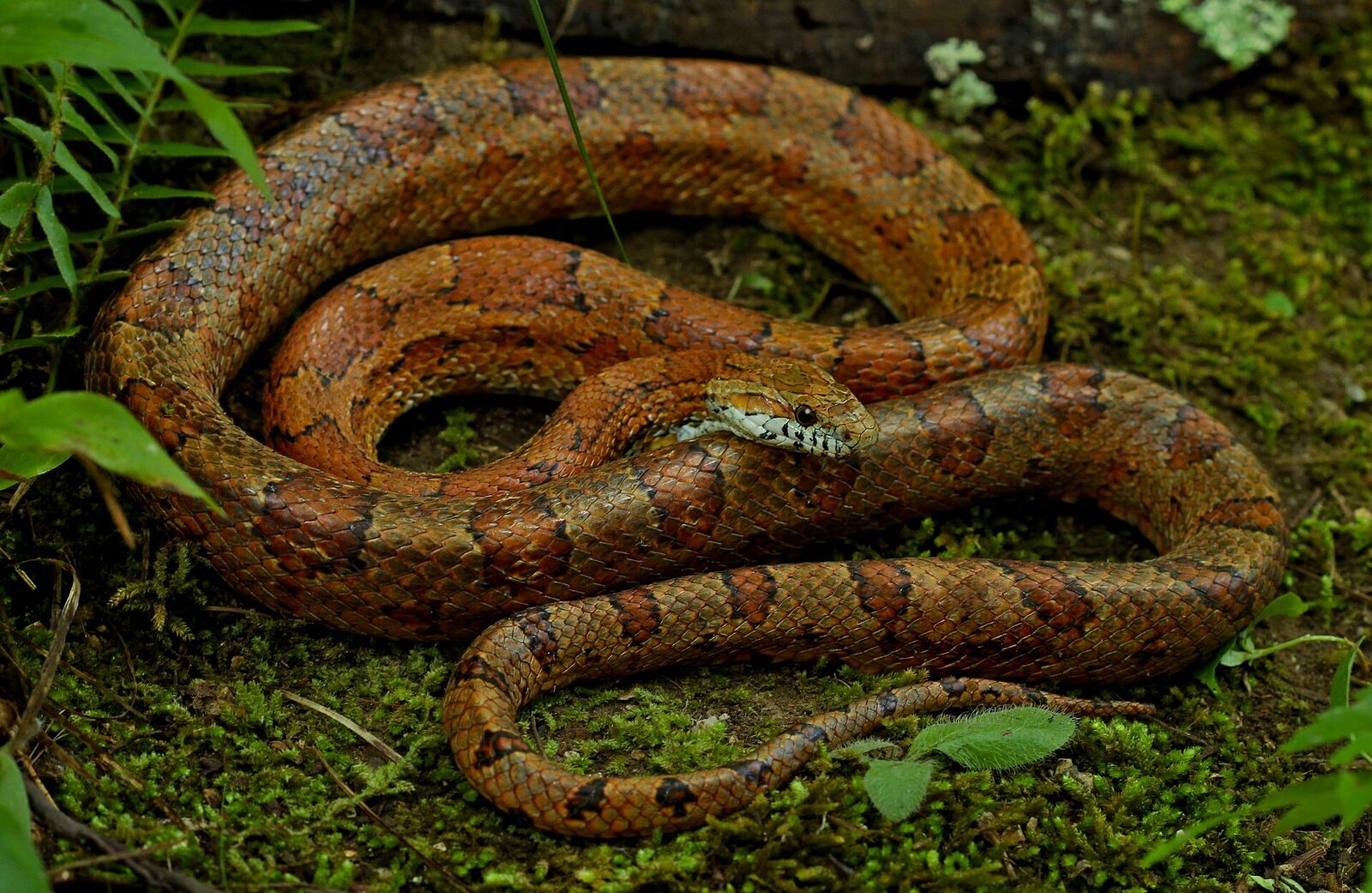
Corn snake
Pantherophis guttatus
Hardy, easy-going and colorful.
Pet trade
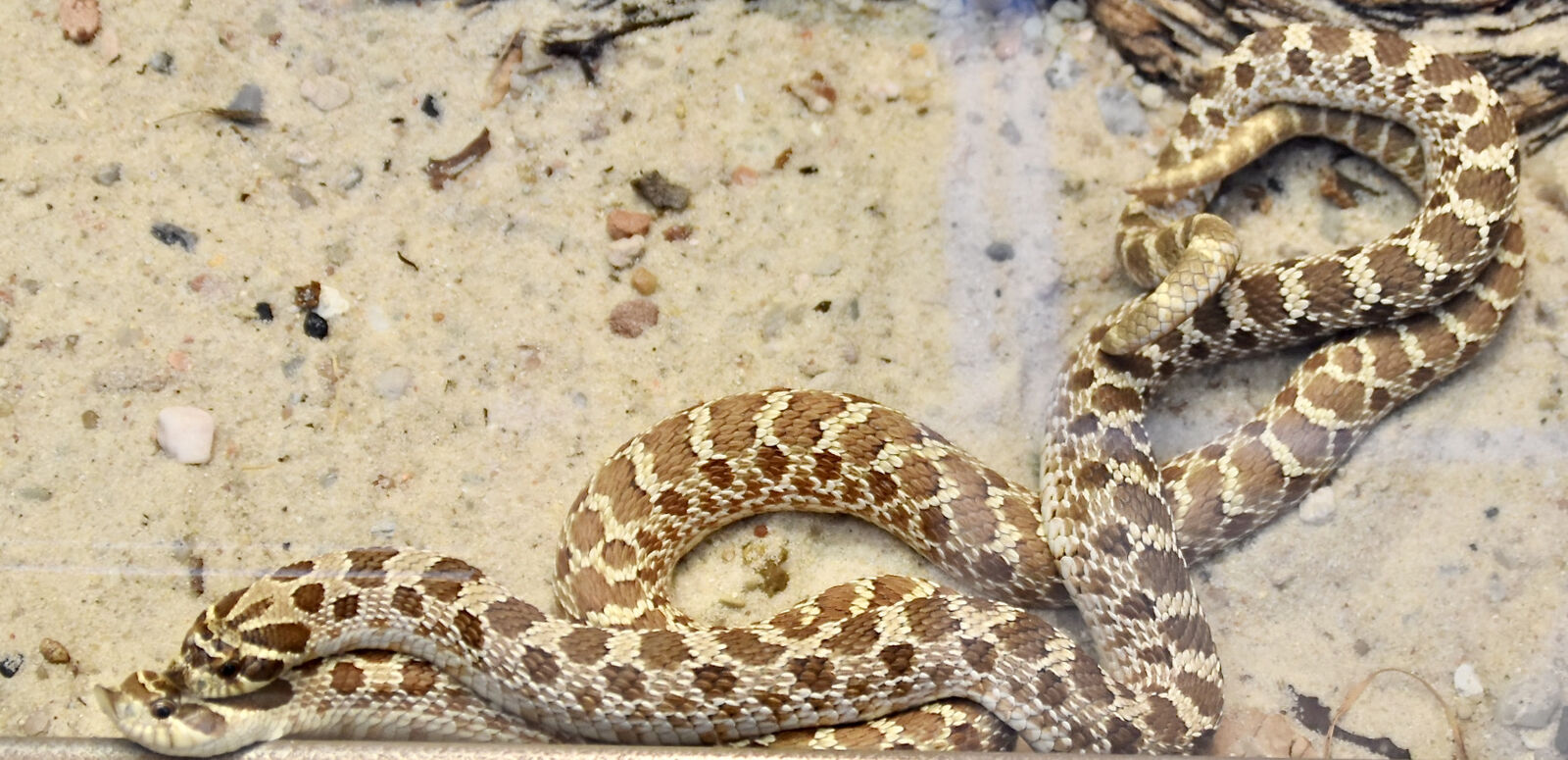
Western hognose snake
Heterodon nasicus
Dramatic bluffs from a tiny, upturned-nose snake.
Pet trade

Amur (Russian) rat snake
Elaphe schrenckii
Pet trade

Andean milk snake
Lampropeltis micropholis
Pet trade

Arizona mountain kingsnake
Lampropeltis pyromelana
Pet trade

Baird's rat snake
Pantherophis bairdi
Pet trade