
Home / Mammals / Cats, dogs and other carnivores / African wild dog
Some federal rules applyAfrican wild dog
Lycaon pictus
Mammals › Cats, dogs and other carnivores (Carnivora) › Canidae (Dogs, wolves and foxes)
The African wild dog, also called painted dog and Cape hunting dog, is a wild canine native to sub-Saharan Africa.

Care at a glance
Setup
One answer per setting. Where sources differ, the smaller figure is the minimum and the larger is what we recommend.
| Adult enclosure | 10,000 sq ft (929 sq m) Minimum for large canids housed as a pack. | sanctuaryfederation.org |
| Food | Meat based diet, supplemented with kibble, fruits, vegetables and insects. | sanctuaryfederation.org |
Understanding the animal
About this animal
About this animal
It is the largest wild canine in Africa and the only extant member of the genus Lycaon, which is distinguished from Canis by dentition highly specialised for a hypercarnivorous diet and by a lack of dewclaws.
From Wikipedia: African wild dog, CC BY-SA 4.0 (excerpt)
Data and studies
Veterinary & husbandry research
Veterinary & husbandry research
- Cryopreservation of African painted dog (Lycaon pictus) ovarian tissue. et al., Frontiers in veterinary science 2023
- ANESTHESIA OF ZOO-MANAGED AFRICAN PAINTED DOGS (LYCAON PICTUS) USING A DEXMEDETOMIDINE-KETAMINEBUTORPHANOL-MIDAZOLAM COMBINATION. et al., Journal of zoo and wildlife medicine: official publication of the American Association of Zoo Veterinarians 2023
- Cutaneous apocrine gland neoplasia in 16 captive African wild dogs (Lycaon pictus). et al., Journal of comparative pathology 2023
- ECHOCARDIOGRAPHIC VARIABLES IN THE AFRICAN PAINTED DOG (LYCAON PICTUS). et al., Journal of zoo and wildlife medicine: official publication of the American Association of Zoo Veterinarians 2020
Peer-reviewed papers that mention this species alongside captivity, zoos, veterinary care or aquaculture. Some cover several species or mention it only in passing, so check the abstract. PubMed
Sources for this sheet
- 50 CFR 17.11: Endangered and threatened wildlife Zoo, university or veterinaryCurrent federal Endangered Species Act list.
- Canid standardsjune2013ha 2 (sanctuaryfederation.org) Community referenceWeb page.
- Wikipedia: Lycaon pictus (CC BY-SA 4.0) Community referenceEncyclopedia article.
- Large canid care manual 2012r (assets.speakcdn.com) Community referenceWeb page.
- GBIF Backbone Taxonomy (Global Biodiversity Information Facility) (CC BY 4.0) Peer-reviewed researchInternational scientific taxonomy used here for classification. GBIF Secretariat (2023). GBIF Backbone Taxonomy. Checklist dataset https://doi.org/10.15468/39omei, accessed via GBIF.org.
- Wikipedia (species article) (CC BY-SA 4.0) Community referenceFree encyclopedia; useful overviews with their own citations. Short excerpts are quoted under CC BY-SA 4.0, each credited with a link to its article.
- PubMed (U.S. National Library of Medicine) Peer-reviewed researchIndex of peer-reviewed veterinary, zoo and husbandry research.
More dogs, wolves and foxes
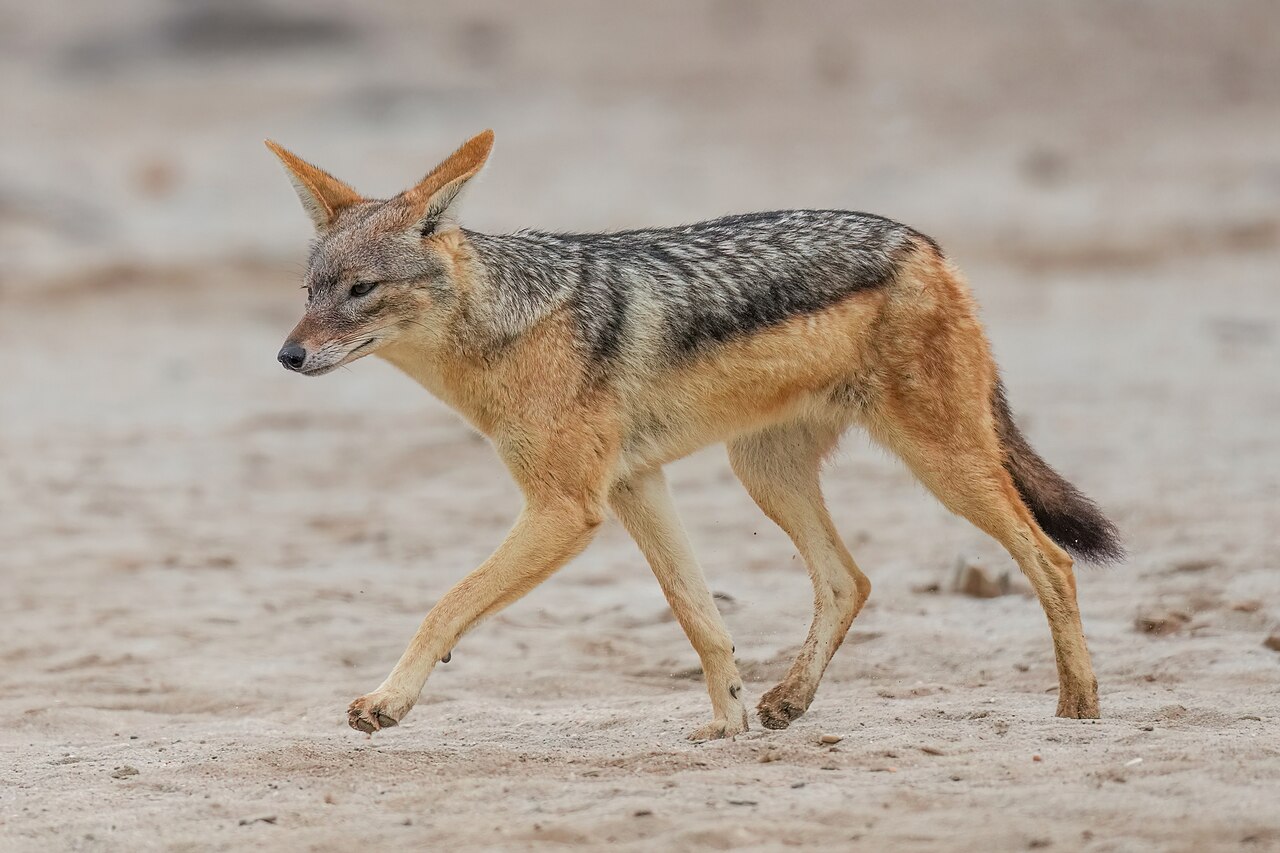
Black-backed jackal
Lupulella mesomelas
A sleek, clever wild canid built for the African bush.
Pet trade
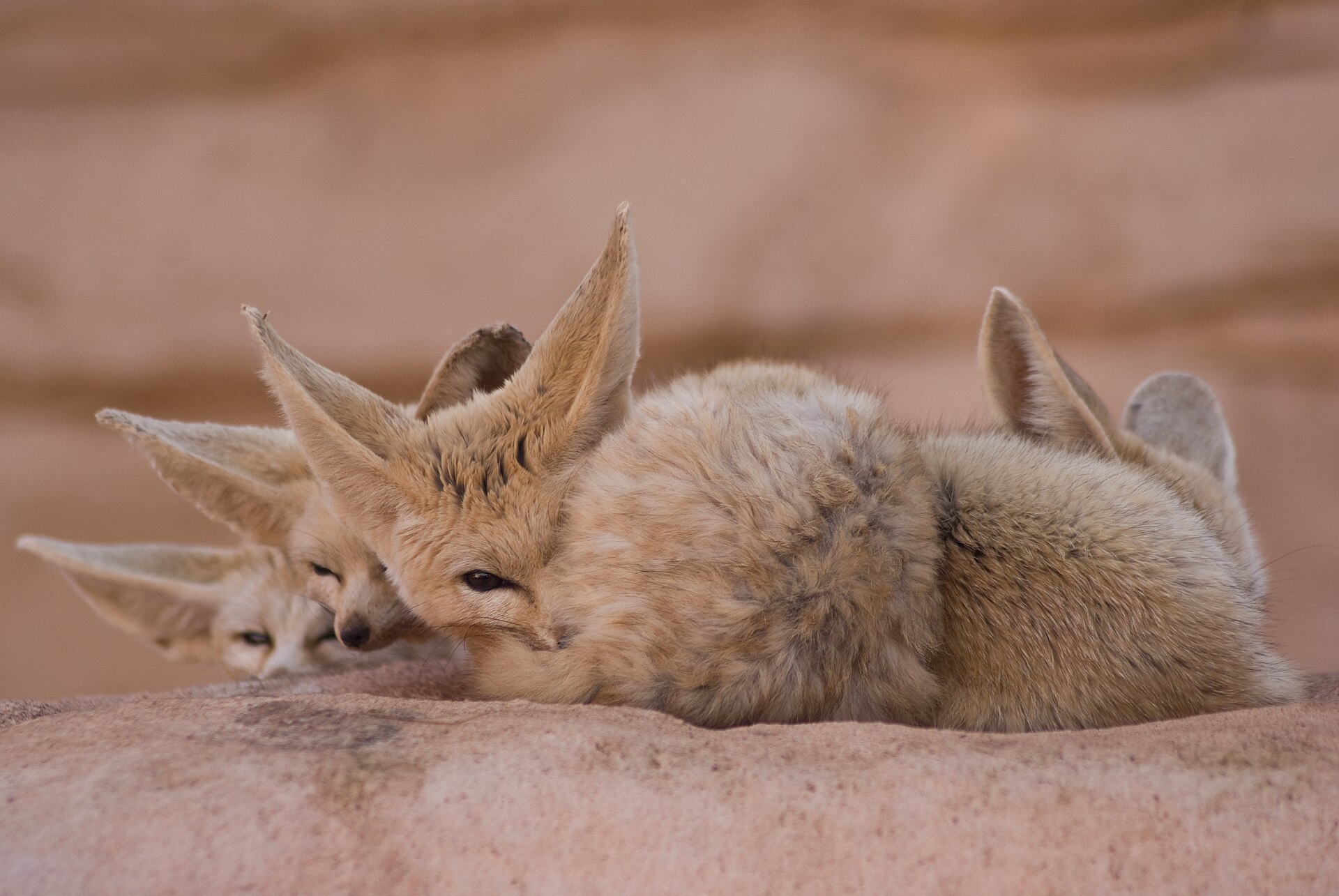
Fennec fox
Vulpes zerda
Giant ears, tiny fox, endless energy.
Pet trade
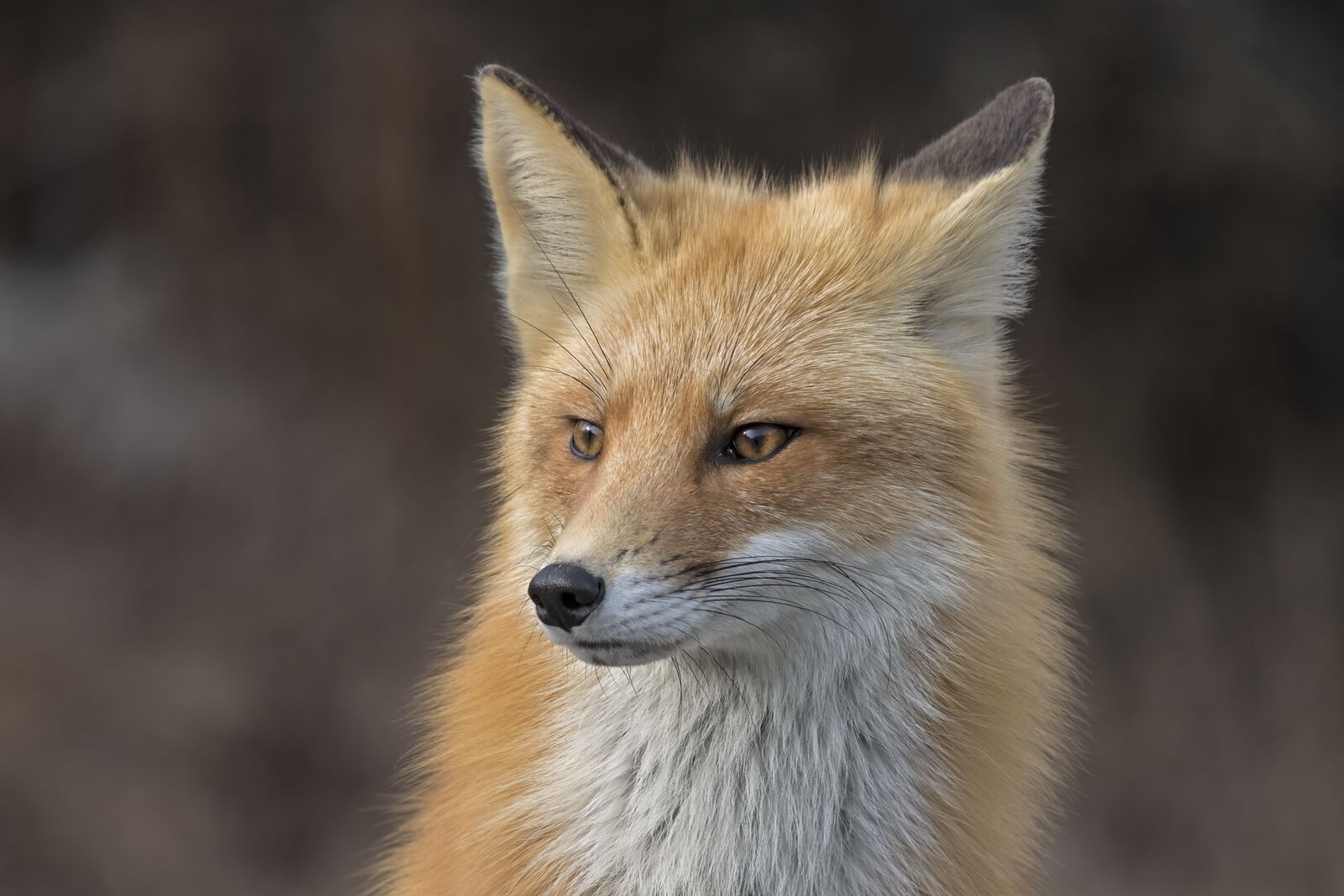
Red fox
Vulpes vulpes
Clever, scent-marking and very much a wild canid.
Pet trade

Arctic fox
Vulpes lagopus
Pet trade

Bat-eared fox
Otocyon megalotis
Pet trade

Bush dog
Speothos venaticus
Pet trade