
Home / Mammals / Rodents / American red squirrel
State permit usually requiredAmerican red squirrel
Tamiasciurus hudsonicus
Mammals › Rodents (Rodentia) › Sciuridae (Squirrels and ground squirrels)

Care at a glance
Setup
One answer per setting. Where sources differ, the smaller figure is the minimum and the larger is what we recommend.
| Adult enclosure | 4 x 8 x 8 ft for one tree squirrel Outside pre-release cage minimum for a single tree squirrel | dam.assets.ohio.gov |
| Bedding | Fleece, cage liners or orchard grass; avoid loose substrate | exoticnutrition.com |
| Exercise wheel | A large metal wheel, e.g. 15 inch | exoticnutrition.com |
| Nest box and hides | Nesting options near the upper level Helps the squirrel feel safe | exoticnutrition.com |
| Food | Squirrel blocks available 24/7 as the base diet, supplemented with other blocks | exoticnutrition.com |
| Fresh foods | Treats 2-3 times per week or less than 10% of the main diet | exoticnutrition.com |
| Social housing | Alone Highly territorial and asocial | Wikipedia |
Warnings
Care guide
By age
| Baby | Feeding: Emerge at around 42 days but nurse until approximately 70 days | Wikipedia |
Understanding the animal
In the wild
In the wild
Researched for this exact species, not its family. Wild conditions are context, not enclosure settings.12
| Where it lives | Across much of the United States and Canada wherever conifers are common. |
| Active | A small, diurnal squirrel that defends a year-round exclusive territory. |
| Social life | Highly territorial and asocial. |
| Wild diet | Primarily granivores that add other foods opportunistically. |
Profile
Profile
Researched for this exact species. Sources are listed under In the wild above.
Remarkable facts
- Captive squirrels can live up to 14 years.
- 28–35 cm (11–14 in) total length, including the tail.
Data and studies
Veterinary & husbandry research
Veterinary & husbandry research
- Widespread, symmetric, noninflammatory alopecia associated with follicular dysplasia in the American red squirrel (Tamiasciurus hudsonicus). et al., Veterinary pathology 2023
- Parasite species co-occurrence patterns on North American red squirrels (Tamiasciurus hudsonicus). et al., Parasitology 2024
- Red squirrels, Tamiasciurus hudsonicus, produce predator-class specific alarm calls. et al., Animal behaviour 1998
- Citellinema (Nematoda: Heligmosomidae) from North America with descriptions of 2 new species from the red squirrel Tamiasciurus hudsonicus and 1 from the Canadian woodchuck, Marmota monax. et al., Parasitology 2022
Peer-reviewed papers that mention this species alongside captivity, zoos, veterinary care or aquaculture. Some cover several species or mention it only in passing, so check the abstract. PubMed
Sources for this sheet
- Pub 5475 minimumstandardsr0117 (dam.assets.ohio.gov) Expert educator & keeperZoo, government or conservation body.
- Comprehensive squirrel care guide (exoticnutrition.com) Community referenceWeb page.
- Wikipedia: Tamiasciurus hudsonicus (CC BY-SA 4.0) Community referenceEncyclopedia article.
- GBIF Backbone Taxonomy (Global Biodiversity Information Facility) (CC BY 4.0) Peer-reviewed researchInternational scientific taxonomy used here for classification. GBIF Secretariat (2023). GBIF Backbone Taxonomy. Checklist dataset https://doi.org/10.15468/39omei, accessed via GBIF.org.
- PubMed (U.S. National Library of Medicine) Peer-reviewed researchIndex of peer-reviewed veterinary, zoo and husbandry research.
More squirrels and ground squirrels
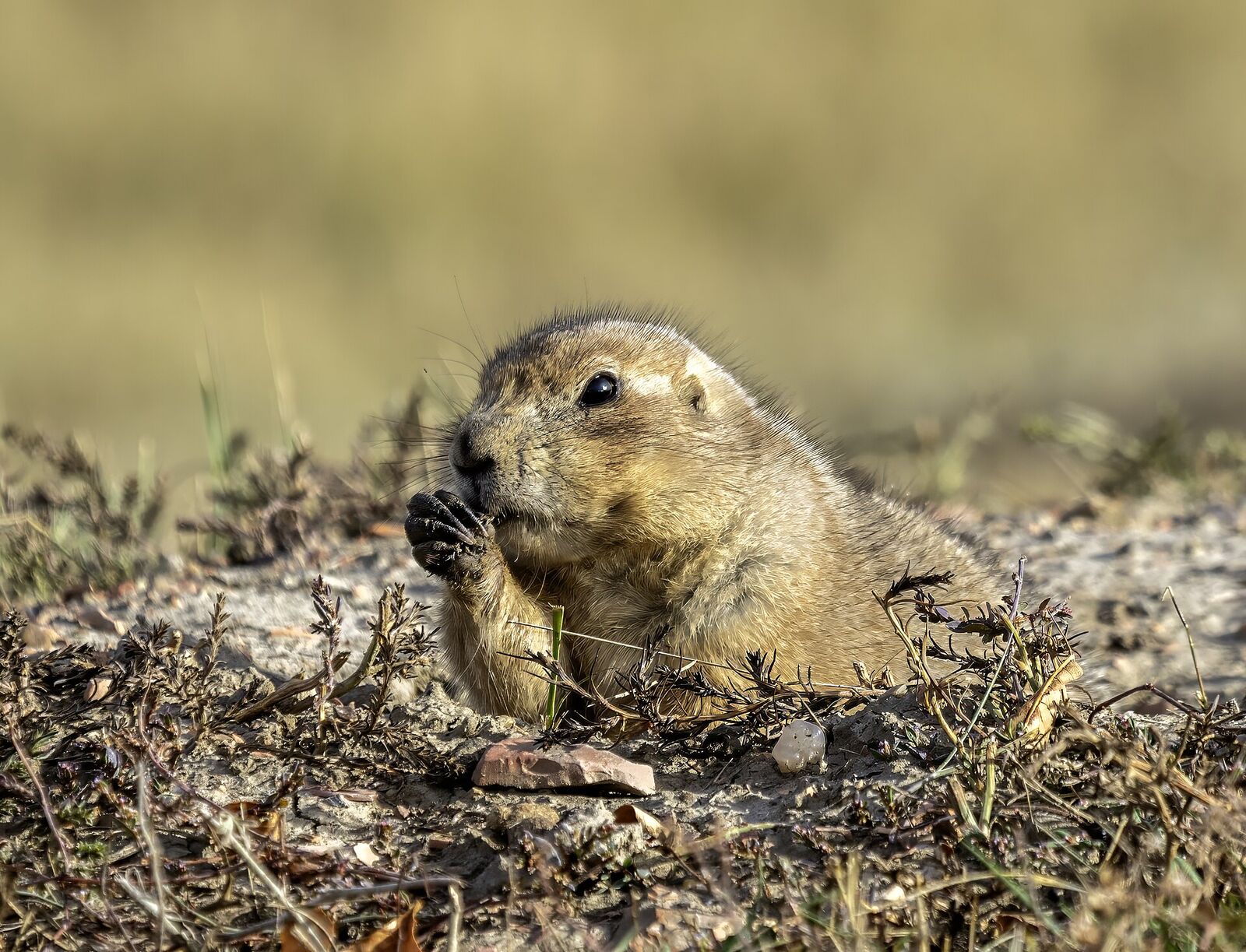
Black-tailed prairie dog
Cynomys ludovicianus
The most social of the ground squirrels.
Pet trade
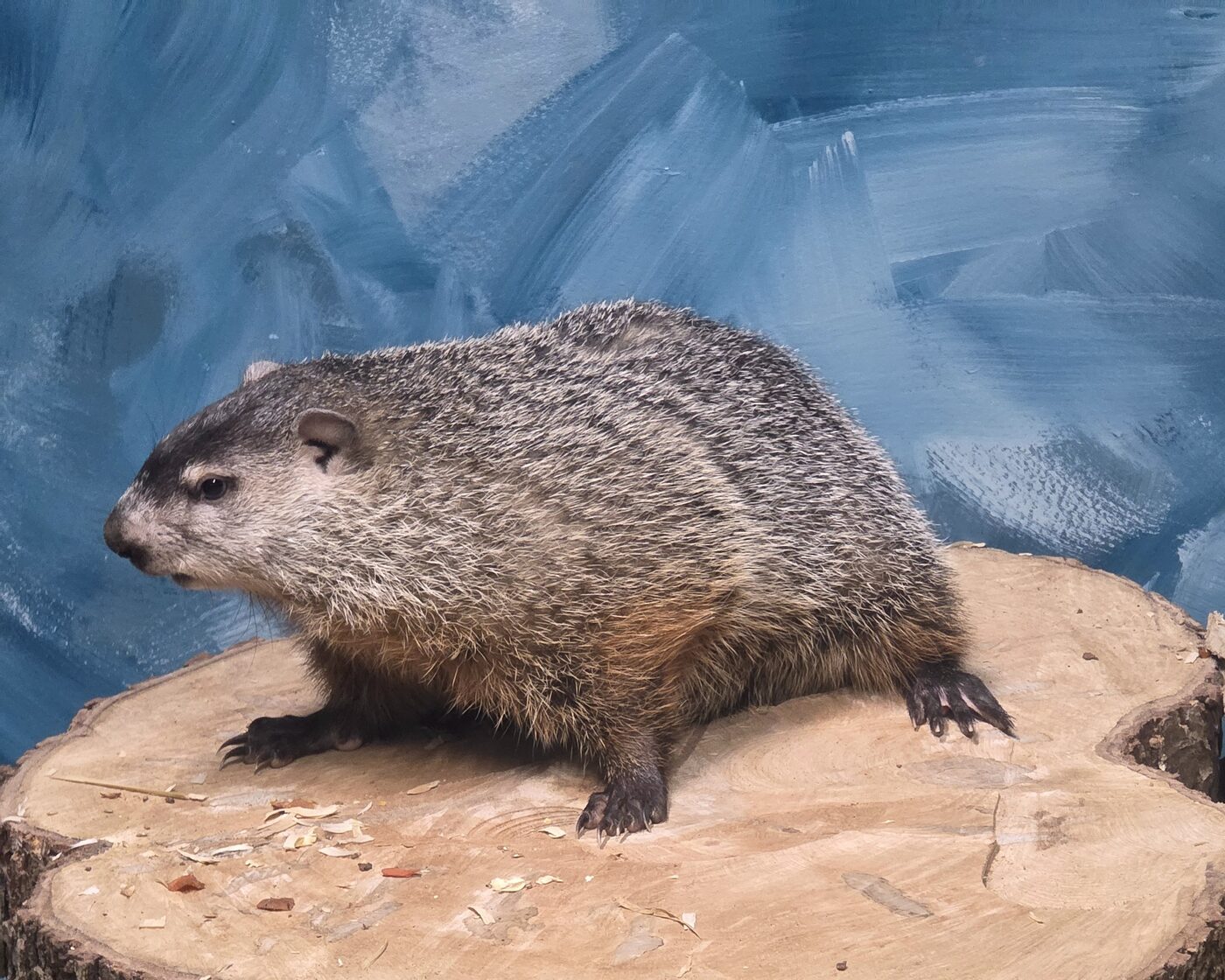
Groundhog (woodchuck)
Marmota monax
A true hibernator and master tunnel engineer.
Pet trade

Arctic ground squirrel
Urocitellus parryii
Zoos & aquariums

Eastern gray squirrel
Sciurus carolinensis
Zoos & aquariums

European ground squirrel
Spermophilus citellus
Zoos & aquariums

Fox squirrel
Sciurus niger
Zoos & aquariums