
Home / Mammals / Rodents / Cairo spiny mouse
Some federal rules applyCairo spiny mouse
Acomys cahirinus
Mammals › Rodents (Rodentia) › Muridae (Rats, mice and gerbils)
The Cairo spiny mouse, also known as the common spiny mouse, Egyptian spiny mouse, or Arabian spiny mouse, is a nocturnal species of rodent in the family Muridae.

Care at a glance
Setup
One answer per setting. Where sources differ, the smaller figure is the minimum and the larger is what we recommend.
| Adult enclosure | 90 x 45 x 45 cm Larger is better. | academy.herpeton.net |
| Temperature | At least 70°F Preferably 80°F Lives and breeds well at 21 to 26 °C. | pmc.ncbi.nlm.nih.gov |
| Humidity | At least 30% Preferably 70% Standard rodent range. | pmc.ncbi.nlm.nih.gov |
| Bedding | 8 cm deep Dry, dust-free, deep enough to dig. | academy.herpeton.net |
| Nest box and hides | Several hides, cork, branches and visual barriers. | academy.herpeton.net |
| Food | Low-fat diet: 15% to 30% can become diabetic on mouse chow and fatty seeds. | pmc.ncbi.nlm.nih.gov |
| Water | Always available; check bottles daily. | academy.herpeton.net |
| Lighting | 12:12-h A 12-hour light cycle or natural window light both work. | pmc.ncbi.nlm.nih.gov |
Care guide
- Wet nose or noisy breathing: Respiratory irritation or infection. academy.herpeton.net
- Lethargy or panting: Wrong temperature or severe stress. academy.herpeton.net
- Food refusal or weight loss: Dental, social, parasite, temperature or illness problem. academy.herpeton.net
Understanding the animal
About this animal
About this animal
It is found in Africa north of the Sahara Desert, where its natural habitats are rocky areas and hot deserts. It is omnivorous, feeding on seeds, desert plants, snails, and insects. It is a gregarious animal and lives in small family groups. It is the first and only known rodent species that exhibit spontaneous decidualization and menstruation.
From Wikipedia: Cairo spiny mouse, CC BY-SA 4.0 (excerpt)
In the wild
In the wild
Researched for this exact species, not its family. Wild conditions are context, not enclosure settings.123
| Where it lives | Dry stony habitats with sparse vegetation, cliffs, canyons and gravelly plains; often near human dwellings. |
| Active | Lives in burrows or rock crevices; mostly terrestrial but can clamber about in low bushes. |
| Social life | Social animals living in a group with a dominant male. |
| Wild diet | Omnivore: seeds, nuts, fruit, leaves, insects, spiders, snails and carrion. |
Profile
Profile
Researched for this exact species. Sources are listed under In the wild above.
Keeper tips
- Never grab by the tail: the tail skin is fragile and will tear or shed if pulled.
Remarkable facts
- 2 to 4 years; reports of up to 7 years in captivity.
- Head and body about 3.75 to 5 in (95 to 127 mm), tail about the same.
Data and studies
Veterinary & husbandry research
Veterinary & husbandry research
- Comparative review of the brain development in Acomys cahirinus. et al., Neuroscience and biobehavioral reviews 2024
- Wound healing and regeneration in spiny mice (Acomys cahirinus). et al., Current topics in developmental biology 2022
- Model systems for regeneration: the spiny mouse, Acomys cahirinus. et al., Development (Cambridge, England) 2020
- Acomys cahirinus develop lung stroma distortion but not fibrosis after bleomycin-induced injury. et al., Inflammation and regeneration 2025
Peer-reviewed papers that mention this species alongside captivity, zoos, veterinary care or aquaculture. Some cover several species or mention it only in passing, so check the abstract. PubMed
Sources for this sheet
- 42 CFR 71.56: African rodents and other animals that may carry monkeypox (CDC) Zoo, university or veterinaryFederal import ban on African rodents.
- Acomys cahirinus (academy.herpeton.net) Community referenceWeb page.
- Official websites use.gov (pmc.ncbi.nlm.nih.gov) Peer-reviewed researchPublished research.
- Wikipedia: Acomys cahirinus (CC BY-SA 4.0) Community referenceEncyclopedia article.
- Spiny mouse (sandsexoticanimals.com) Community referenceWeb page.
- Spiny mouse (pawholt.com) Community referenceWeb page.
- GBIF Backbone Taxonomy (Global Biodiversity Information Facility) (CC BY 4.0) Peer-reviewed researchInternational scientific taxonomy used here for classification. GBIF Secretariat (2023). GBIF Backbone Taxonomy. Checklist dataset https://doi.org/10.15468/39omei, accessed via GBIF.org.
- Wikipedia (species article) (CC BY-SA 4.0) Community referenceFree encyclopedia; useful overviews with their own citations. Short excerpts are quoted under CC BY-SA 4.0, each credited with a link to its article.
- PubMed (U.S. National Library of Medicine) Peer-reviewed researchIndex of peer-reviewed veterinary, zoo and husbandry research.
More rats, mice and gerbils
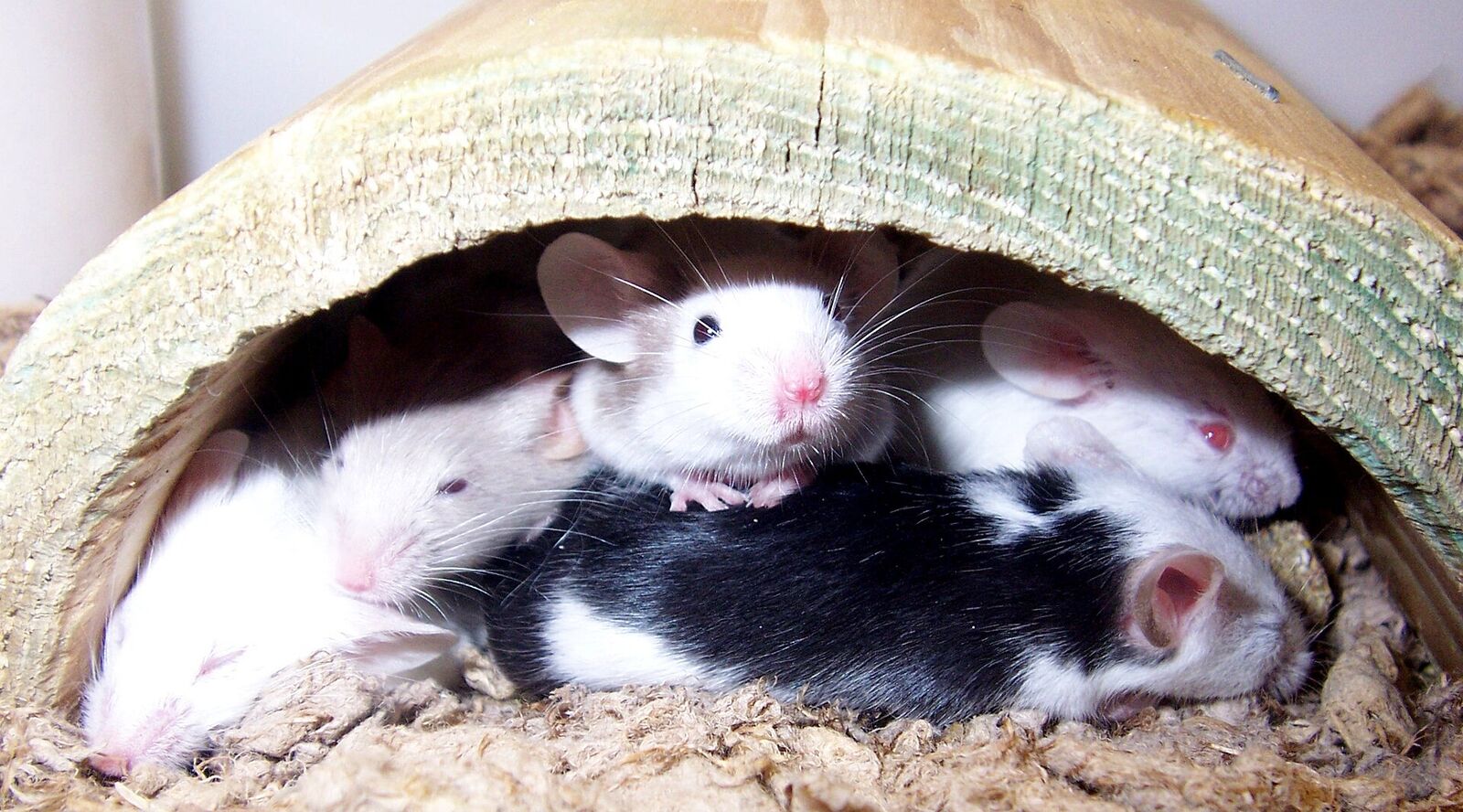
Fancy mouse
Mus musculus
Tiny, busy and fun to watch.
Pet trade
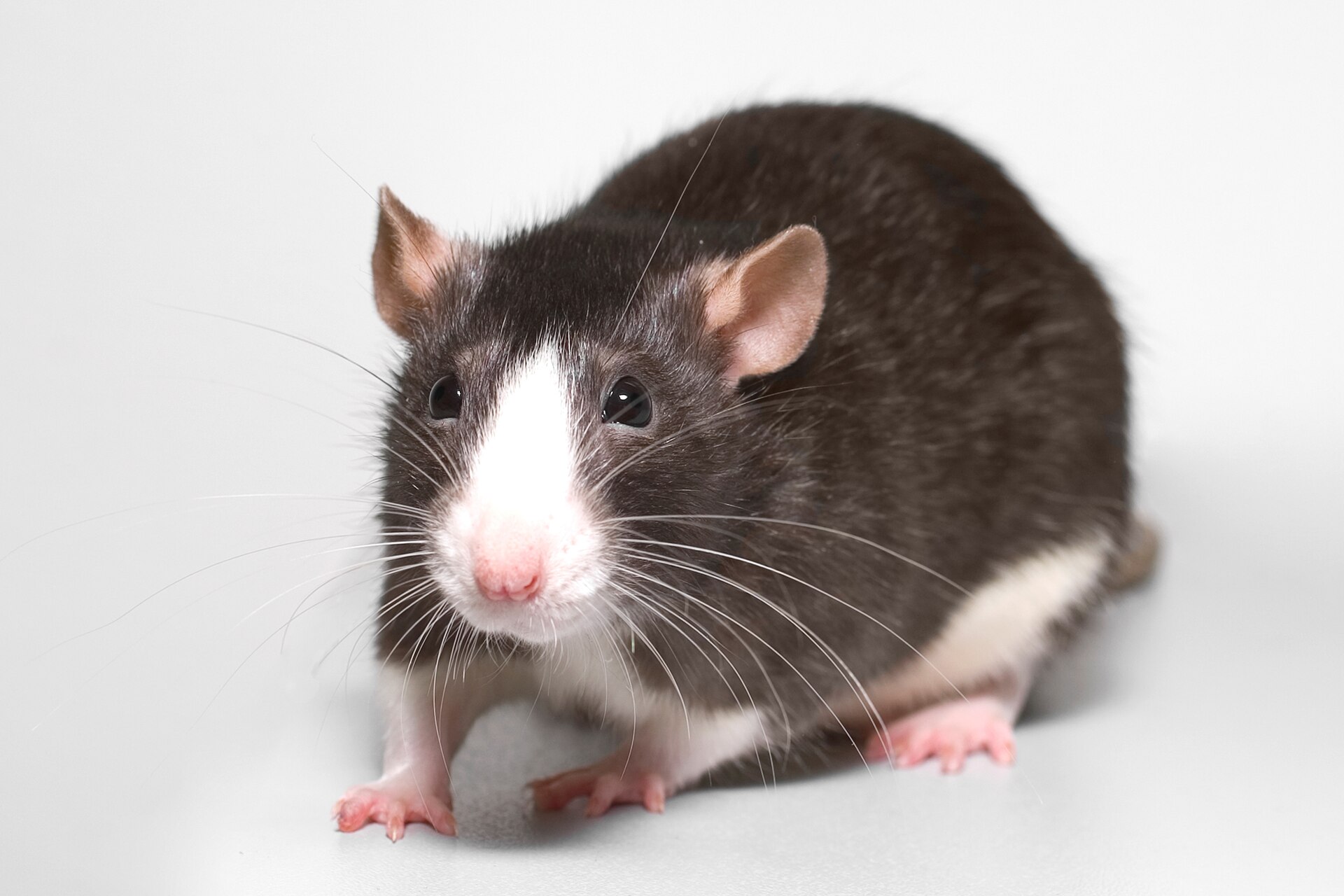
Fancy rat
Rattus norvegicus
Clever, affectionate and endlessly curious.
Pet trade
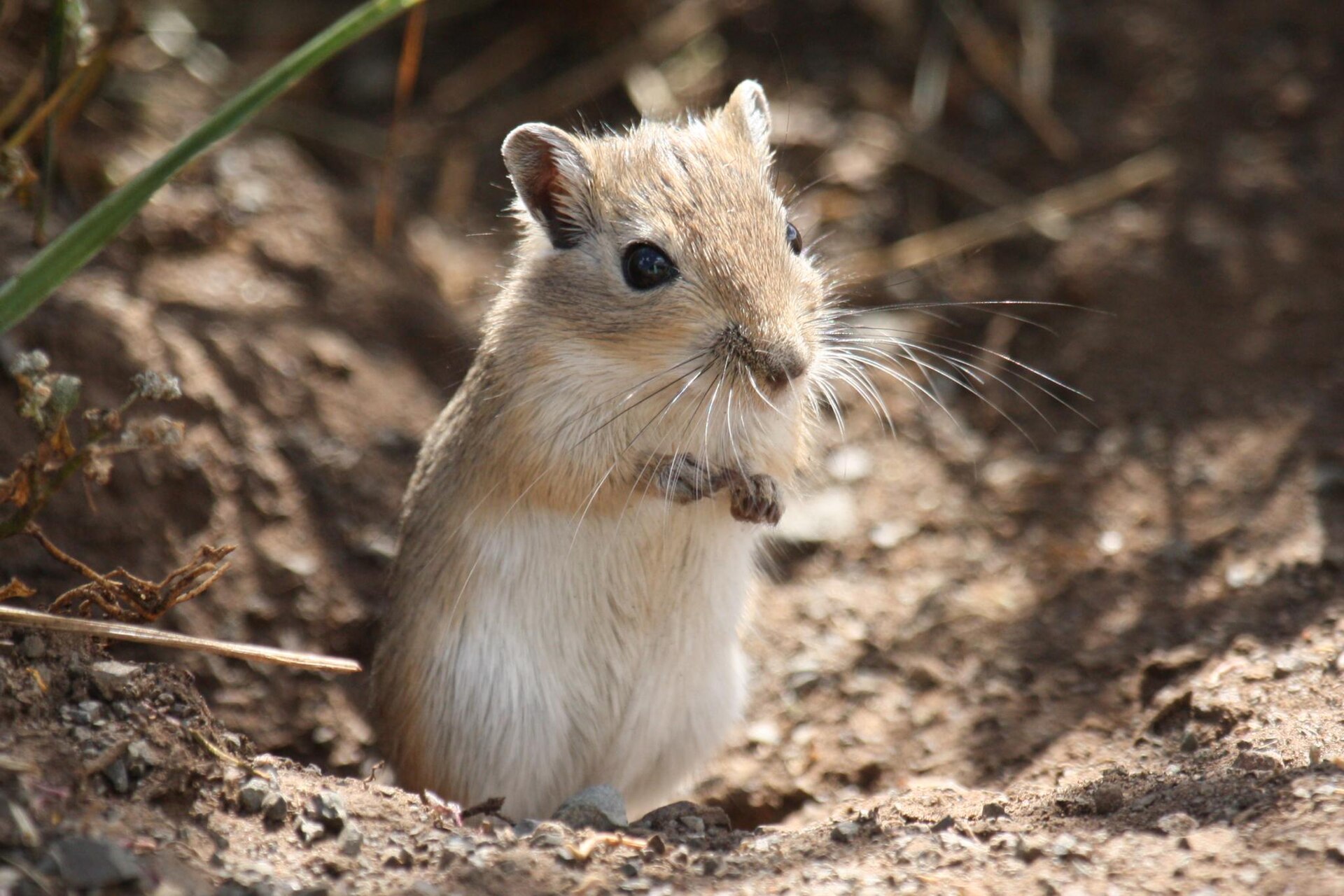
Mongolian gerbil
Meriones unguiculatus
Desert diggers that love company.
Pet trade

Acacia rat
Thallomys paedulcus
Pet trade

African pygmy mouse
Mus minutoides
Pet trade

Arabian spiny mouse
Acomys dimidiatus
Pet trade