
Home / Mammals / Cats, dogs and other carnivores / Domestic dog
No federal permit to keepDomestic dog
Canis familiaris
Mammals › Cats, dogs and other carnivores (Carnivora) › Canidae (Dogs, wolves and foxes)
The dog (Canis familiaris or Canis lupus familiaris) is a domesticated descendant of wolves.

Care at a glance
Species-specific values
Values researched for this exact species. Air, surface and water temperatures are listed separately, and each source is kept as published rather than averaged.
| Minimum diet crude protein | 18 % dry matter AAFCO adult-maintenance minimum reported by MSD; not a complete ration specification. | merckvetmanual.com |
| Minimum diet crude protein | 22.5 % dry matter AAFCO growth minimum reported by MSD; not a complete ration specification. | merckvetmanual.com |
| Diet | Adult dogs may eat premium-quality dry food; puppies should have high-quality, brand-name puppy food. Source: aspca.org | |
| Feeding frequency | Puppies 8–12 weeks need four meals daily; ages 3–6 months, three; 6 months–1 year, two. One meal daily is usually enough after the first birthday. Source: aspca.org | |
| Social housing | Provide a warm, quiet resting place away from drafts and off the floor; a crate or dog bed with clean bedding is ideal. Source: aspca.org | |
| Social housing | Outdoor dogs need companionship from other dogs and frequent human contact; dogs housed together need enough space or separate shelters. Source: merckvetmanual.com | |
| Diet | Choose food with the AAFCO label; provide fresh, clean water and limit table scraps. Source: merckvetmanual.com | |
| Feeding frequency | Most adult dogs should eat 1 to 2 times daily; puppies need more frequent meals; large breeds at least twice daily. Source: merckvetmanual.com |
Understanding the animal
About this animal
About this animal
Also called the domestic dog, it was selectively bred during the Late Pleistocene by hunter-gatherers. Dogs and the modern gray wolf share a common ancestor.
From Wikipedia: Dog, CC BY-SA 4.0 (excerpt)
In the wild
In the wild
Researched for this exact species, not its family. Wild conditions are context, not enclosure settings.1234
| Where it lives | A domesticated species without a single natural wild biome; free-ranging populations occupy settlements and adjacent landscapes worldwide. Field studies in India document street dogs around markets, eateries and waste sites. |
| Ground it lives on | Variable settlement ground, including soil and paved streets. |
| Active | Variable, including diurnal and cathemeral patterns; Brazilian Atlantic Forest dogs were active by day and night with dawn and dusk peaks. |
| Social life | Facultatively social; free-ranging dogs live singly or in flexible mixed-sex groups and often forage alone. Group structure varies with food and breeding. |
| Wild diet | Indian free-ranging populations mainly scavenge human food waste; some populations also take carrion and hunt animals, including livestock. |
| Behavior to plan for | Food searching and social behavior depend strongly on human-associated resources. Free-ranging groups can share care of pups. |
Native climate (measured)
Native climate (measured)
| Warm-season highs | about 85°F (up to 104°F in the hottest sampled areas) |
| Cool-season lows | about 37°F (down to 25°F in the coldest sampled areas) |
| Average temperature | 48–79°F across sampled records |
| Relative humidity | 62–78% on average (driest month about 65%) |
| Rainfall | about 786 mm a year |
| Winters | Cool to cold winters (lows around 37°F) in much of its native range. Seasonal slowdown may be relevant, but species-specific biology determines whether brumation or hibernation occurs. |
Measured at 125 wild occurrence records sampled against WorldClim 2.1 climate data (1970–2000 averages). Air conditions in the range are ecological context, not enclosure settings: microhabitats such as burrows, leaf litter or basking rocks can be cooler, warmer or more humid.
Profile
Profile
Researched for this exact species. Sources are listed under In the wild above.
History
Dogs were selectively bred by hunter-gatherers during the Late Pleistocene and were domesticated more than 14,000 years ago, before agriculture. Genetic studies suggest the domestication process may have begun more than 25,000 years ago.
Data and studies
The numbers
The numbers
Each bar is what one source reports. Where several sources weigh in, the dashed gold band marks their average.
Maximum recorded lifespan
Longest recorded lifespan reported by each database; typical lifespans are usually shorter. The AnAge record comes from an animal in human care.
Typical adult weight
Average adult body mass in each database (FishBase gives the maximum recorded weight).
Litter size
Average per litter or clutch.
Gestation
Female maturity
Veterinary & husbandry research
Veterinary & husbandry research
- Does Rattling Deter? The Case of Domestic Dogs Caine NG et al., Ethology: formerly Zeitschrift fur Tierpsychologie 2020
Peer-reviewed papers that mention this species alongside captivity, zoos, veterinary care or aquaculture. Some cover several species or mention it only in passing, so check the abstract. See all 163 on PubMed → PubMed
Sources for this sheet
- AnAge: The Animal Ageing and Longevity Database (Human Ageing Genomic Resources) (CC BY 3.0) Peer-reviewed researchCurated, referenced longevity and life-history records for thousands of species; maximum lifespans are often from zoo animals.
- Myhrvold et al. (2015). An amniote life-history database. Ecology 96: 3109 Peer-reviewed researchPeer-reviewed compilation of life-history data for over 21,000 birds, mammals and reptiles.
- 9 CFR 2.1: Animal Welfare Act licensing (USDA) Zoo, university or veterinaryWho needs a USDA license to breed, sell or exhibit animals.
- Clint's Reptiles (YouTube): Dog, The Best Pet Mammal? Expert educator & keeperClint Laidlaw, PhD in Biology Education and MS in Evolutionary Ecology; owner of Clint's Reptile Room and a longtime keeper. His "Best Pet?" series reviews each species' care in depth.
- GBIF Backbone Taxonomy (Global Biodiversity Information Facility) (CC BY 4.0) Peer-reviewed researchInternational scientific taxonomy used here for classification. GBIF Secretariat (2023). GBIF Backbone Taxonomy. Checklist dataset https://doi.org/10.15468/39omei, accessed via GBIF.org.
- Species+ (UNEP-WCMC and the CITES Secretariat) Zoo, university or veterinaryThe official database of species listed under CITES. UNEP (2026). The Species+ Website. Nairobi, Kenya. Compiled by UNEP-WCMC, Cambridge, UK. Available at: www.speciesplus.net. [Accessed 04/10/2026].
- Wikipedia (species article) (CC BY-SA 4.0) Community referenceFree encyclopedia; useful overviews with their own citations. Short excerpts are quoted under CC BY-SA 4.0, each credited with a link to its article.
- PubMed (U.S. National Library of Medicine) Peer-reviewed researchIndex of peer-reviewed veterinary, zoo and husbandry research.
- iNaturalist (captive observations) Community referenceCommunity observation platform run by the California Academy of Sciences and National Geographic; observations marked captive show animals living in homes, zoos and aquariums.
More dogs, wolves and foxes
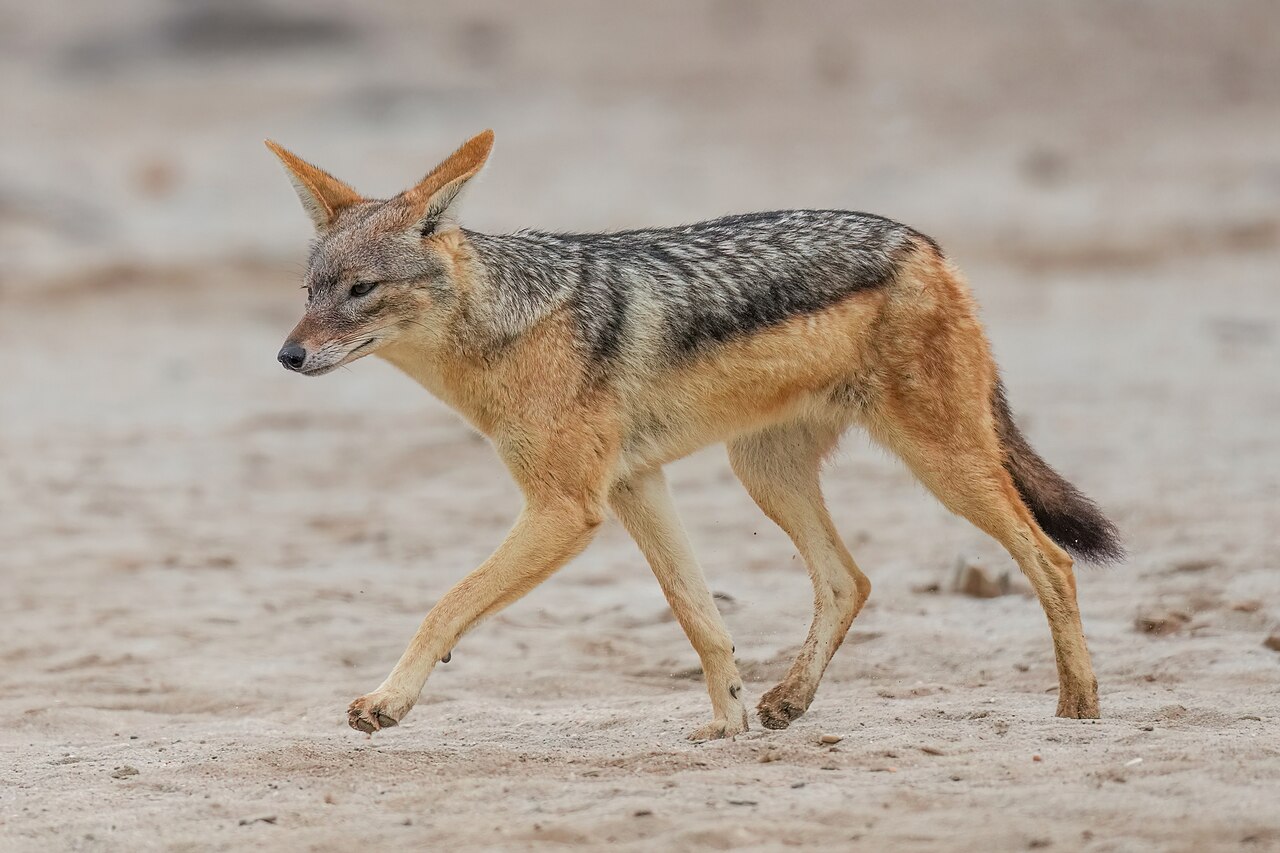
Black-backed jackal
Lupulella mesomelas
A sleek, clever wild canid built for the African bush.
Pet trade
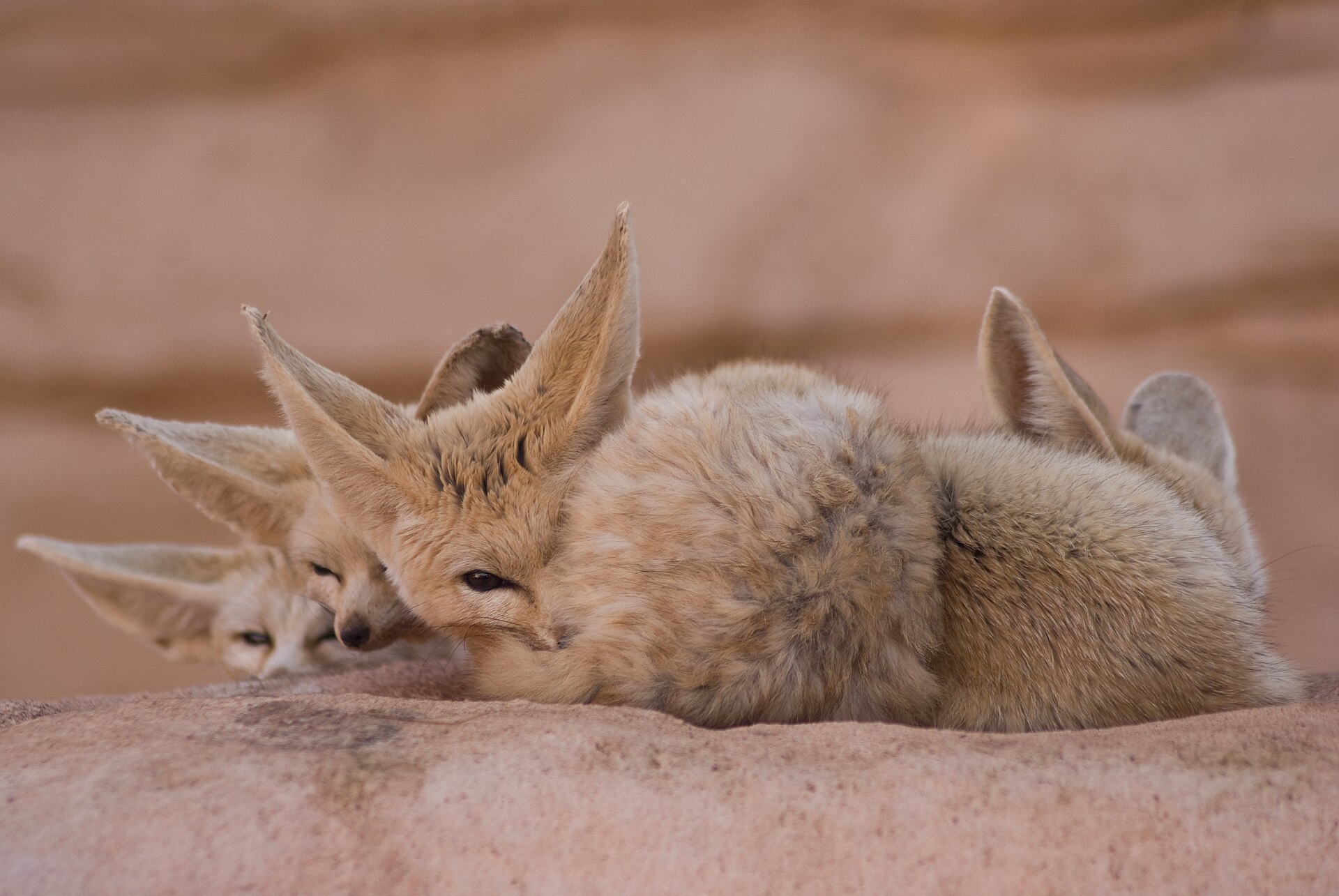
Fennec fox
Vulpes zerda
Giant ears, tiny fox, endless energy.
Pet trade
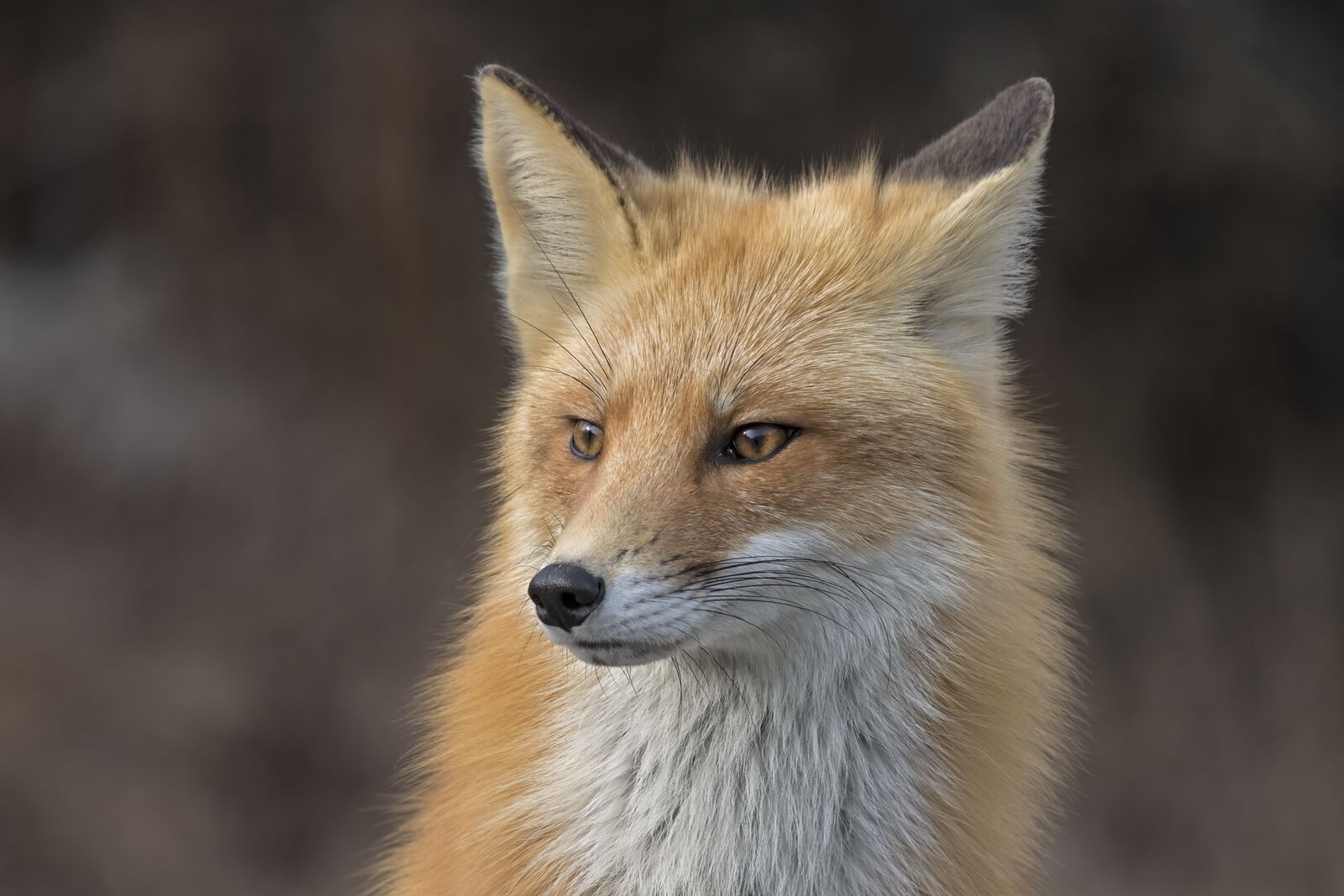
Red fox
Vulpes vulpes
Clever, scent-marking and very much a wild canid.
Pet trade

African wild dog
Lycaon pictus
Pet trade

Arctic fox
Vulpes lagopus
Pet trade

Bat-eared fox
Otocyon megalotis
Pet trade