
Home / Reptiles / Snakes / Boidae / Dumeril's boa
Federal restrictions applyDumeril's boa
Acrantophis dumerili
Reptiles › Snakes (Serpentes) › Boidae (Boas)
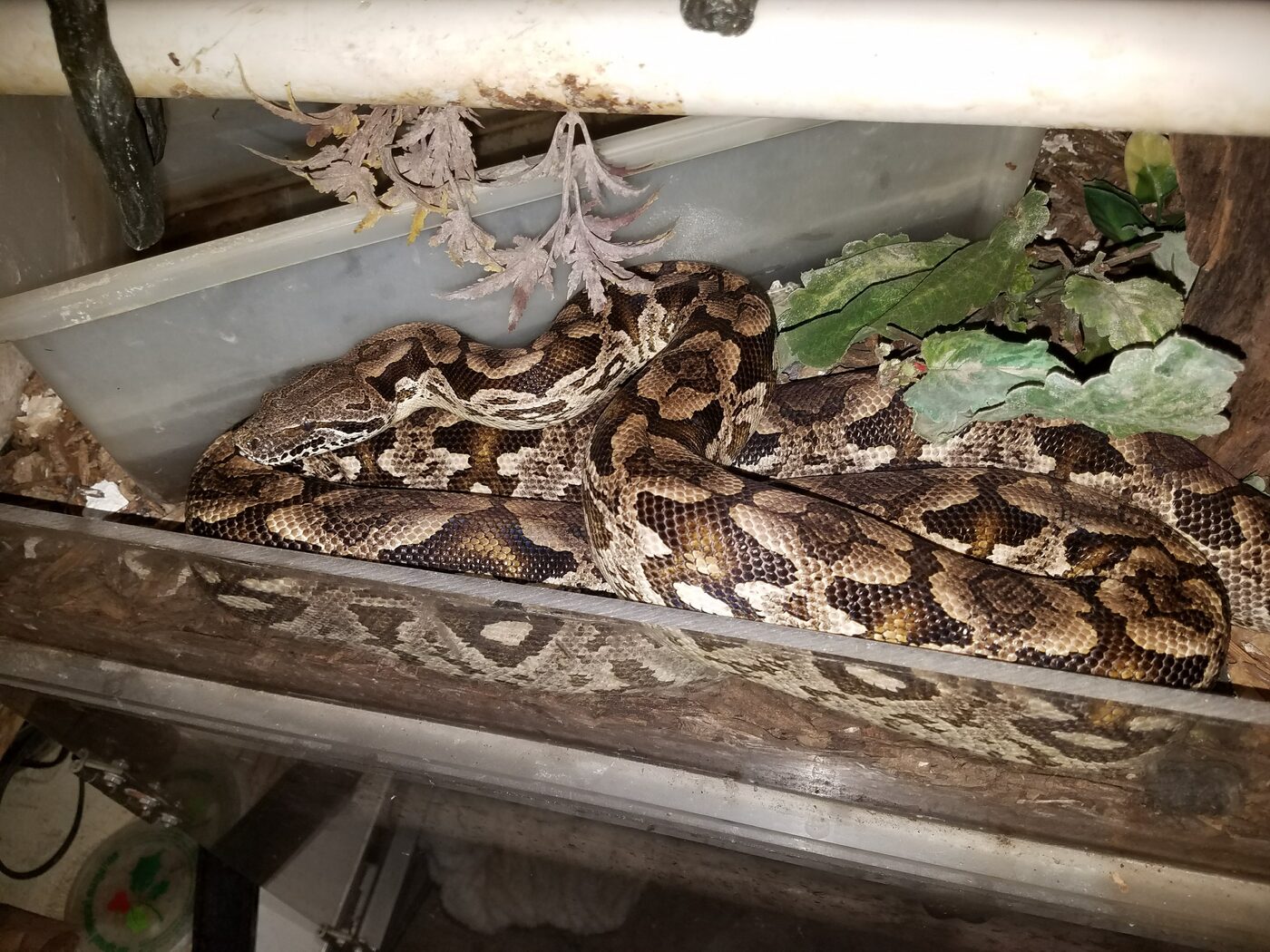
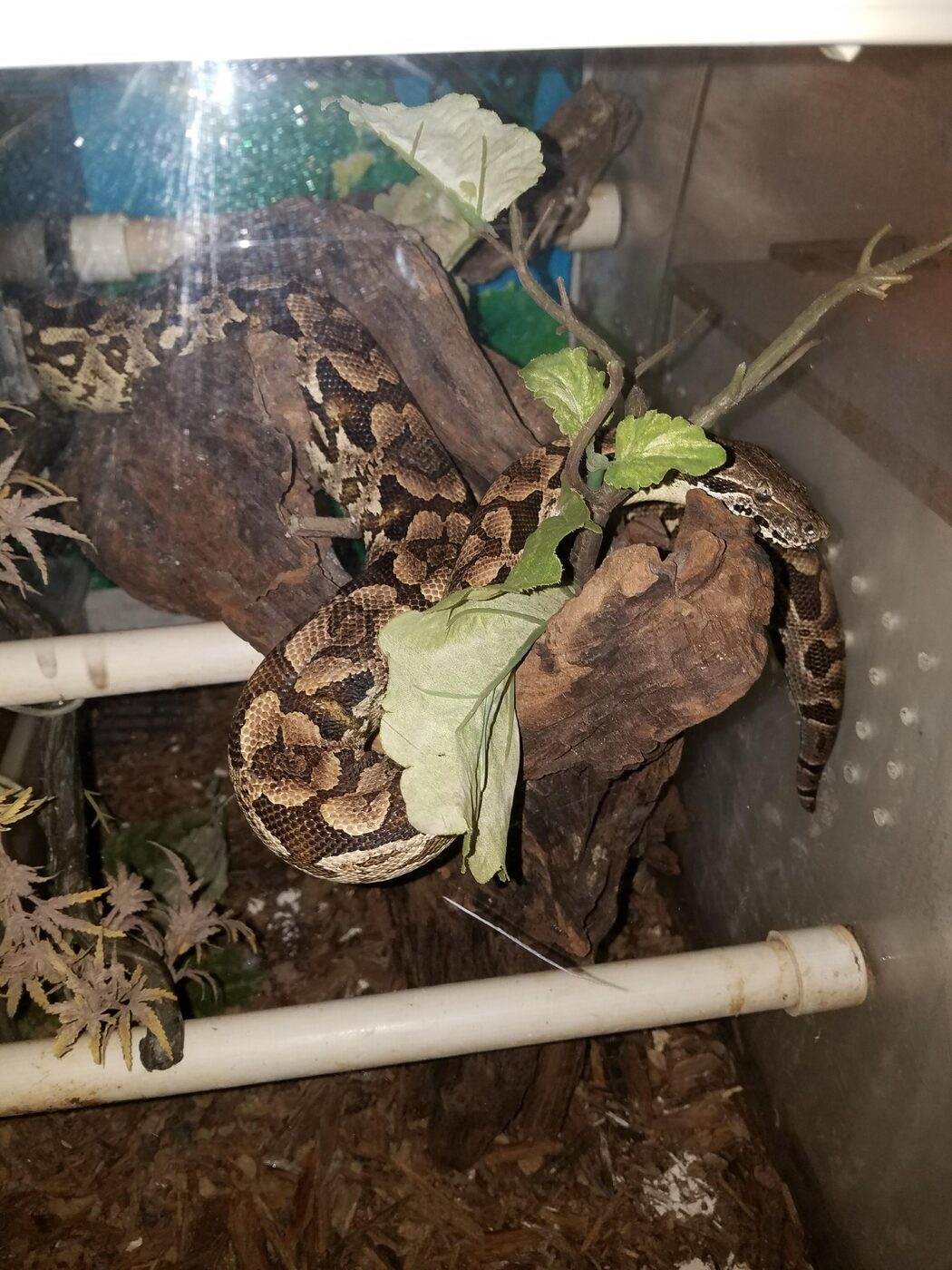
Acrantophis dumerili, commonly known as Dumeril's boa, is a species of non-venomous snake in the family Boidae.
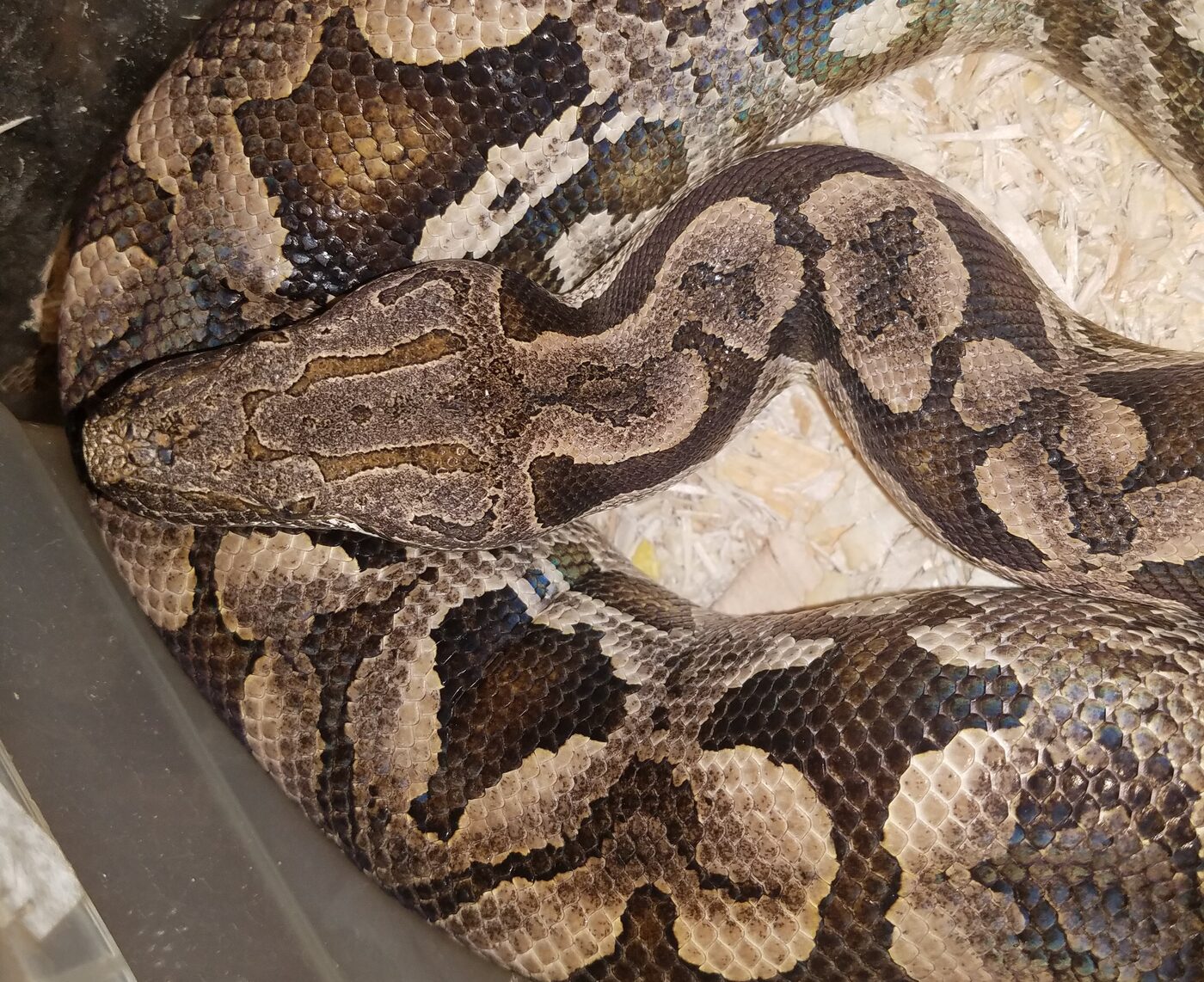
Care at a glance
Species-specific values
Values researched for this exact species. Air, surface and water temperatures are listed separately, and each source is kept as published rather than averaged.
| Minimum enclosure | Adult housing must reach 4 feet in length, 2 feet in depth, and 2 feet in height. Source: reptilesmagazine.com | |
| Cool side air temperature | 75–80 °F Source: reptilesmagazine.com | |
| Basking surface temperature | up to 85 °F Source: reptilesmagazine.com | |
| Humidity | 40–60 % Source: reptilesmagazine.com |
Warnings
Understanding the animal
About this animal
About this animal
The species is endemic to Madagascar. No subspecies are currently recognized.
From Wikipedia: Acrantophis dumerili, CC BY-SA 4.0 (excerpt)
In the wild
In the wild
Researched for this exact species, not its family. Wild conditions are context, not enclosure settings.12345
| Where it lives | Dry forest and wooded savanna of southwestern Madagascar. Camouflages itself among leaf litter on the forest floor while waiting for prey. |
| Ground it lives on | leaf litter over forest soil |
| Climate | Seasonally dry forest climate; numerical wild temperature and humidity ranges were not found. |
| Active | Nocturnal. |
| Social life | Solitary. |
| Wild diet | Small mammals, birds, lizards and amphibians. |
| Behavior to plan for | A terrestrial ambush predator that waits motionless in litter and kills prey by constriction. |
Native climate (measured)
Native climate (measured)
| Warm-season highs | about 93°F (up to 94°F in the hottest sampled areas) |
| Cool-season lows | about 55°F (down to 50°F in the coldest sampled areas) |
| Average temperature | 69–77°F across sampled records |
| Relative humidity | 69–72% on average (driest month about 66%) |
| Rainfall | about 575 mm a year, with strong wet and dry seasons |
Measured at 93 wild occurrence records sampled against WorldClim 2.1 climate data (1970–2000 averages). Air conditions in the range are ecological context, not enclosure settings: microhabitats such as burrows, leaf litter or basking rocks can be cooler, warmer or more humid.
Profile
Profile
Researched for this exact species. Sources are listed under In the wild above.
History
The species name dumerili honors French herpetologist André Marie Constant Duméril. Its original type locality was incorrectly or uncertainly associated with South America before its Malagasy distribution was established.
More photos
Data and studies
The numbers
The numbers
Each bar is what one source reports. Where several sources weigh in, the dashed gold band marks their average.
Maximum recorded lifespan
Longest recorded lifespan reported by each database; typical lifespans are usually shorter. The AnAge record comes from an animal in human care.
Basking spot
Species-specific values from keeper care sheets. Basking figures are often surface readings taken with an infrared thermometer, which run hotter than air.
Humidity
Species-specific values from keeper care sheets. Basking figures are often surface readings taken with an infrared thermometer, which run hotter than air.
Care articles for this species
Care articles for this species
- Dumeril’s Boa Care Guide (ReptiFiles)
- Dumeril’s Boa Care Sheet (Reptiles Magazine)
- Feeding Your Dumeril’s Boa (ReptiFiles)
- Dumeril’s Boa Terrarium Size Guidelines (ReptiFiles)
- Dumeril's Boa Breeding (Reptiles Magazine)
- Breeding The Dumeril's Ground Boa (Reptiles Magazine)
Written by keepers, breeders and vets Reptiles MagazineReptiFiles
Sources for this sheet
- AnAge: The Animal Ageing and Longevity Database (Human Ageing Genomic Resources) (CC BY 3.0) Peer-reviewed researchCurated, referenced longevity and life-history records for thousands of species; maximum lifespans are often from zoo animals.
- Myhrvold et al. (2015). An amniote life-history database. Ecology 96: 3109 Peer-reviewed researchPeer-reviewed compilation of life-history data for over 21,000 birds, mammals and reptiles.
- ReptiFiles (care guides) Experienced keeper or breederWell-researched reptile care guides that cite herpetological literature and experienced keepers.
- Reptiles Magazine (care articles) Experienced keeper or breederEstablished reptile and amphibian hobby magazine; care articles are written by breeders, keepers and veterinarians.
- Species+ (UNEP-WCMC and the CITES Secretariat) Zoo, university or veterinaryThe official database of species listed under CITES. UNEP (2026). The Species+ Website. Nairobi, Kenya. Compiled by UNEP-WCMC, Cambridge, UK. Available at: www.speciesplus.net. [Accessed 04/10/2026].
- USFWS International Affairs: CITES Zoo, university or veterinaryFederal agency that issues CITES permits.
- Clint's Reptiles (YouTube): Dumeril's Boa, The Best Pet Snake? Expert educator & keeperClint Laidlaw, PhD in Biology Education and MS in Evolutionary Ecology; owner of Clint's Reptile Room and a longtime keeper. His "Best Pet?" series reviews each species' care in depth.
- The Reptile Database Peer-reviewed researchScientist-curated catalog of every reptile species, with taxonomy and literature.
- GBIF Backbone Taxonomy (Global Biodiversity Information Facility) (CC BY 4.0) Peer-reviewed researchInternational scientific taxonomy used here for classification. GBIF Secretariat (2023). GBIF Backbone Taxonomy. Checklist dataset https://doi.org/10.15468/39omei, accessed via GBIF.org.
- Wikipedia (species article) (CC BY-SA 4.0) Community referenceFree encyclopedia; useful overviews with their own citations. Short excerpts are quoted under CC BY-SA 4.0, each credited with a link to its article.
- iNaturalist (captive observations) Community referenceCommunity observation platform run by the California Academy of Sciences and National Geographic; observations marked captive show animals living in homes, zoos and aquariums.
More boas
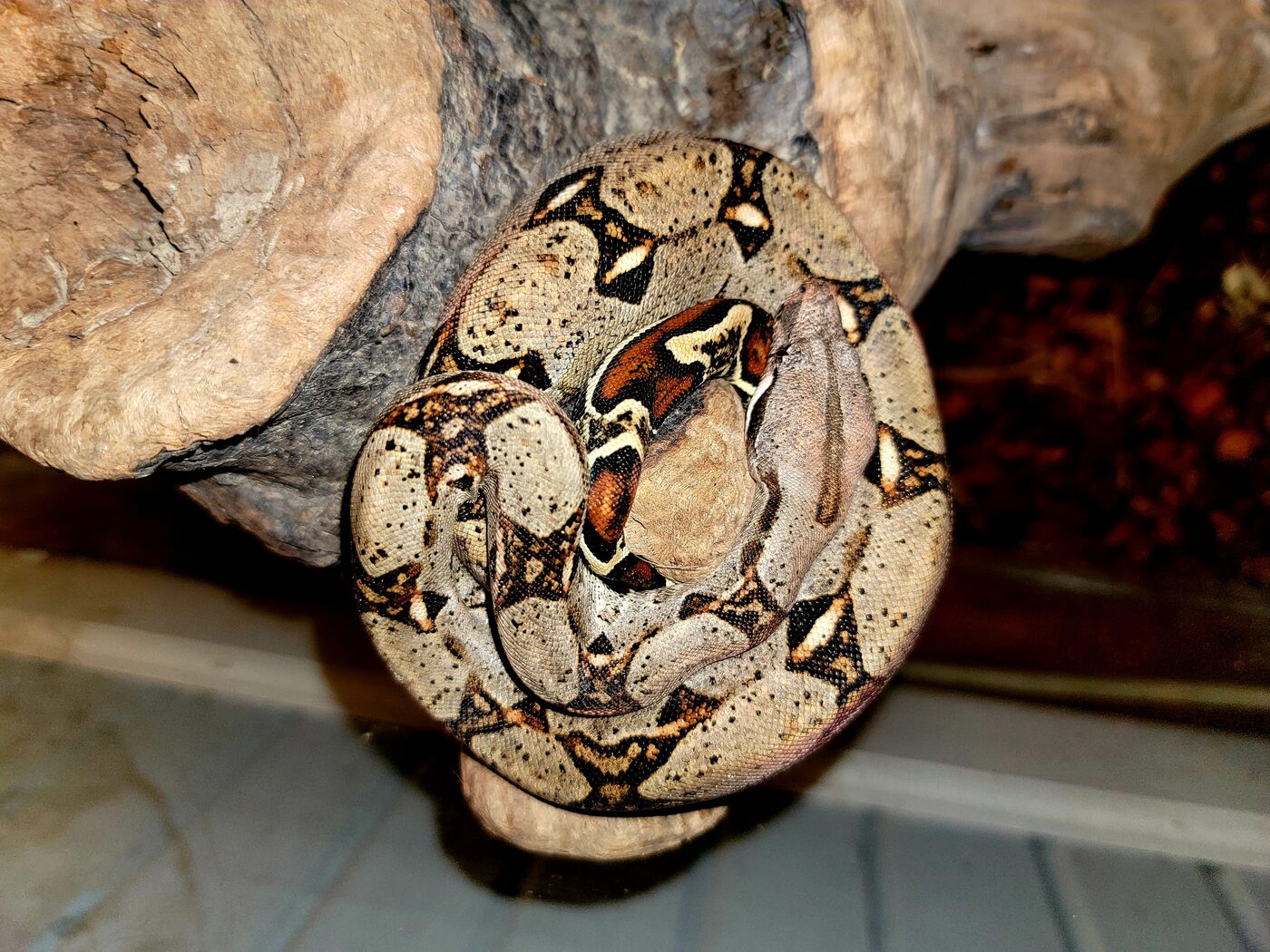
Common boa constrictor (red-tailed boa)
Boa constrictor
A powerful but famously steady big snake.
Pet trade
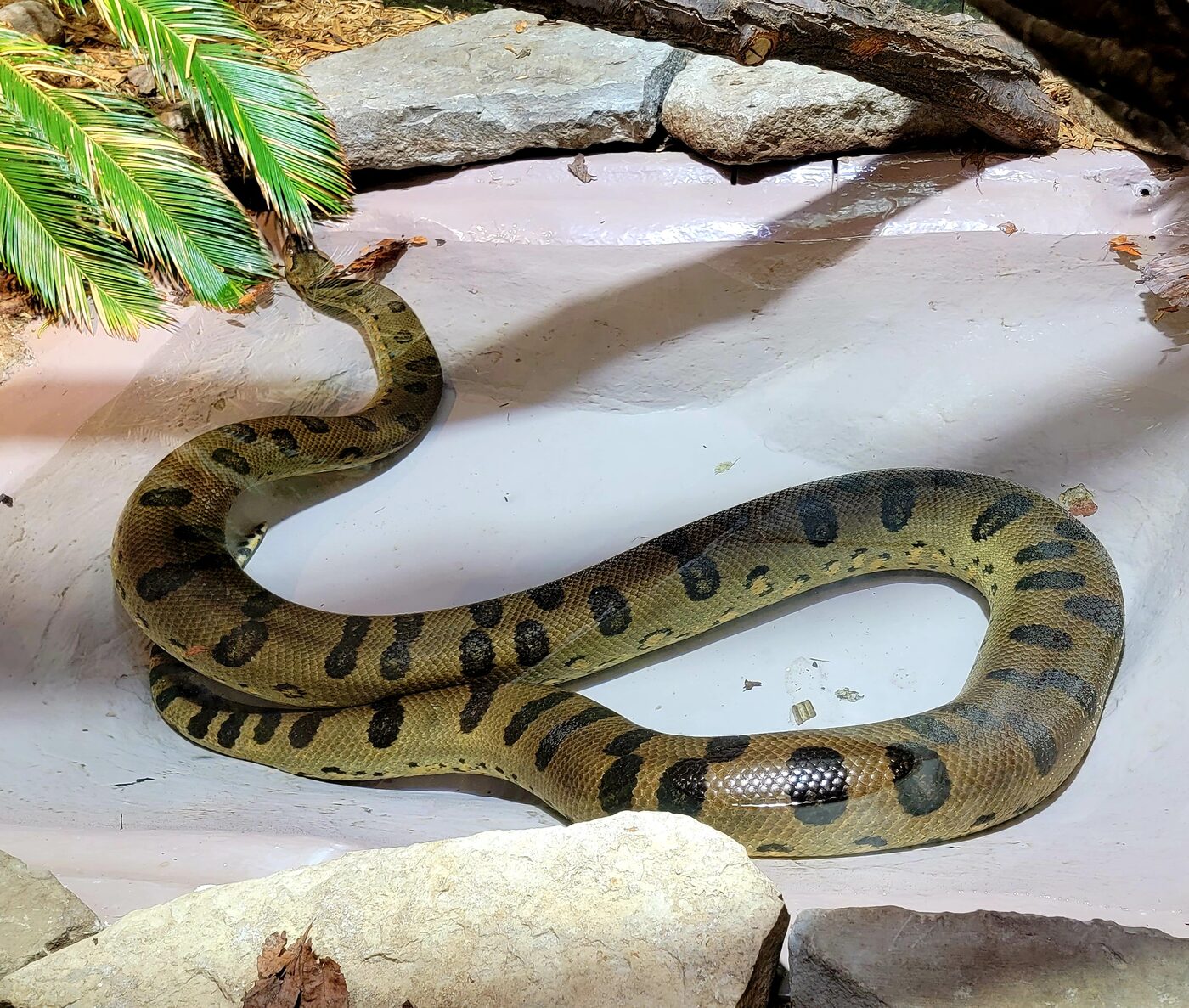
Green anaconda
Eunectes murinus
The heaviest snake on Earth, at home in the water.
Pet trade

Amazon basin emerald tree boa
Corallus batesii
Pet trade
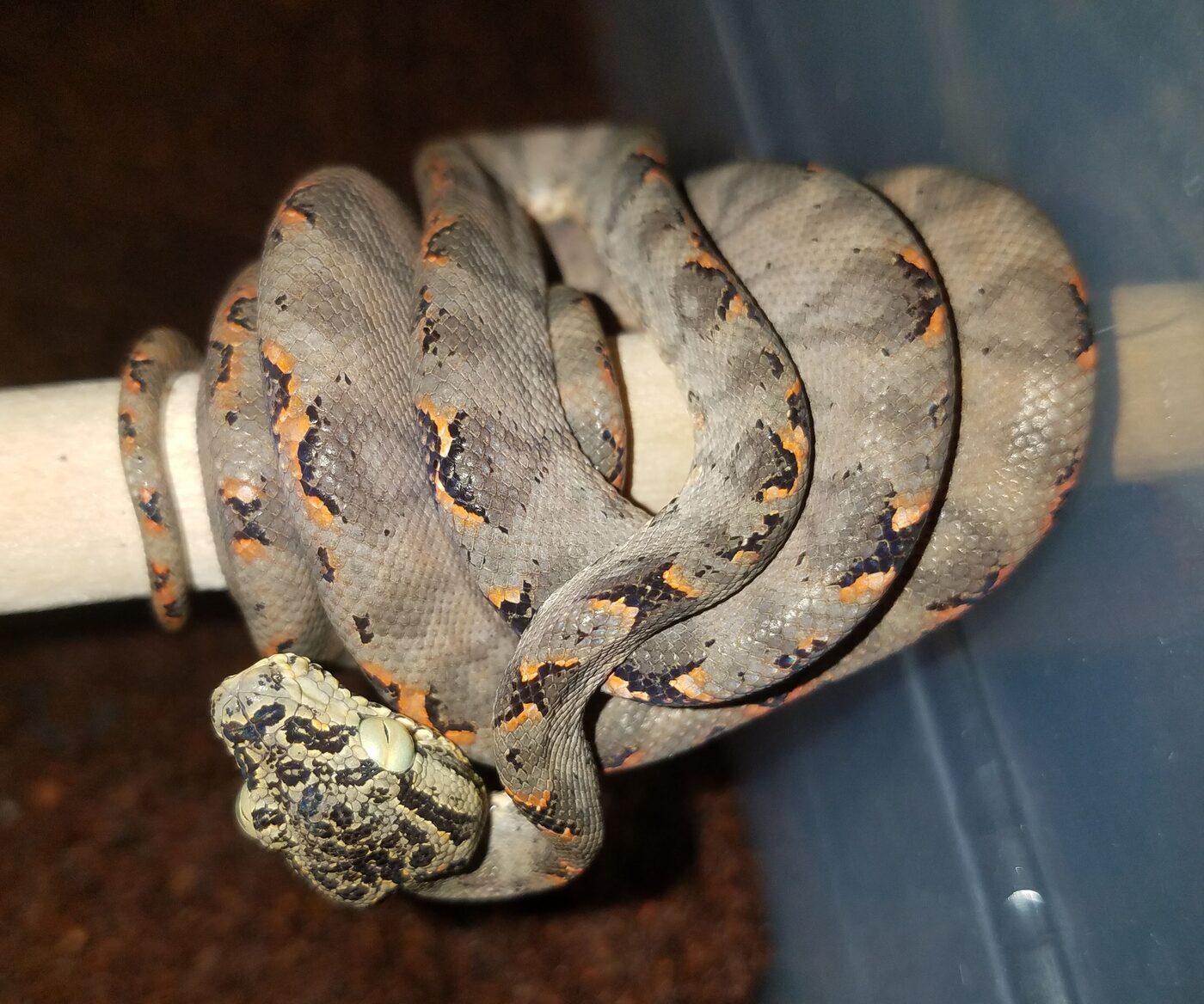
Amazon tree boa
Corallus hortulana
Pet trade

Annulated tree boa
Corallus annulatus
Pet trade

Arabian sand boa
Eryx jayakari
Pet trade