
Home / Mammals / Rodents / Fat sand rat
Some federal rules applyFat sand rat
Psammomys obesus
Mammals › Rodents (Rodentia) › Muridae (Rats, mice and gerbils)
The fat sand rat (Psammomys obesus) is a terrestrial mammal from the gerbil subfamily that is mostly found in North Africa and the Middle East, ranging.
From Wikipedia: Psammomys obesus, CC BY-SA 4.0 (excerpt)

Care at a glance
Setup
One answer per setting. Where sources differ, the smaller figure is the minimum and the larger is what we recommend.
| Enclosure | No published minimum for this species. Closest source: In studies each animal was housed in an individual cage, with food and water ad libitum | pmc.ncbi.nlm.nih.gov |
| Food | can become obese and develop diabetes-like symptoms on the diet given to other rodents | Wikipedia |
Warnings
Care guide
By age
| Juvenile | Feeding: Young leave their mother at about 5 weeks of age. | Wikipedia |
Understanding the animal
In the wild
In the wild
Researched for this exact species, not its family. Wild conditions are context, not enclosure settings.1
| Where it lives | Usually sandy deserts, sometimes rocky ground or salt marsh. |
| Active | Active by day; how long depends on the outside temperature. |
| Wild diet | Very picky: eats only stems and leaves of amaranth-family plants. |
| Behavior to plan for | Gets its water from plants and does not need to drink free-standing water. |
Profile
Profile
Researched for this exact species. Sources are listed under In the wild above.
Remarkable facts
- 3–4 years in captivity; about 14 months in the wild.
Data and studies
Veterinary & husbandry research
Veterinary & husbandry research
- Psammomys obesus: a Natural Diet-Controlled Model for Diabetes and Cardiovascular Diseases. et al., Current atherosclerosis reports 2018
- Progress in research on the reproductive function in the sand rat (Psammomys obesus): A review. et al., General and comparative endocrinology 2023
- Psammomys obesus, a model for environment-gene interactions in type 2 diabetes. et al., Diabetes 2005
- Diet-induced diabetes in the sand rat (Psammomys obesus). et al., Methods in molecular biology (Clifton, N.J.) 2012
Peer-reviewed papers that mention this species alongside captivity, zoos, veterinary care or aquaculture. Some cover several species or mention it only in passing, so check the abstract. PubMed
Sources for this sheet
- 42 CFR 71.56: African rodents and other animals that may carry monkeypox (CDC) Zoo, university or veterinaryFederal import ban on African rodents.
- Official websites use.gov (pmc.ncbi.nlm.nih.gov) Peer-reviewed researchPublished research.
- Wikipedia: Psammomys obesus (CC BY-SA 4.0) Community referenceEncyclopedia article.
- Fat sand rat psammomys obesus (fws.gov) Expert educator & keeperZoo, government or conservation body.
- GBIF Backbone Taxonomy (Global Biodiversity Information Facility) (CC BY 4.0) Peer-reviewed researchInternational scientific taxonomy used here for classification. GBIF Secretariat (2023). GBIF Backbone Taxonomy. Checklist dataset https://doi.org/10.15468/39omei, accessed via GBIF.org.
- Wikipedia (species article) (CC BY-SA 4.0) Community referenceFree encyclopedia; useful overviews with their own citations. Short excerpts are quoted under CC BY-SA 4.0, each credited with a link to its article.
- PubMed (U.S. National Library of Medicine) Peer-reviewed researchIndex of peer-reviewed veterinary, zoo and husbandry research.
More rats, mice and gerbils
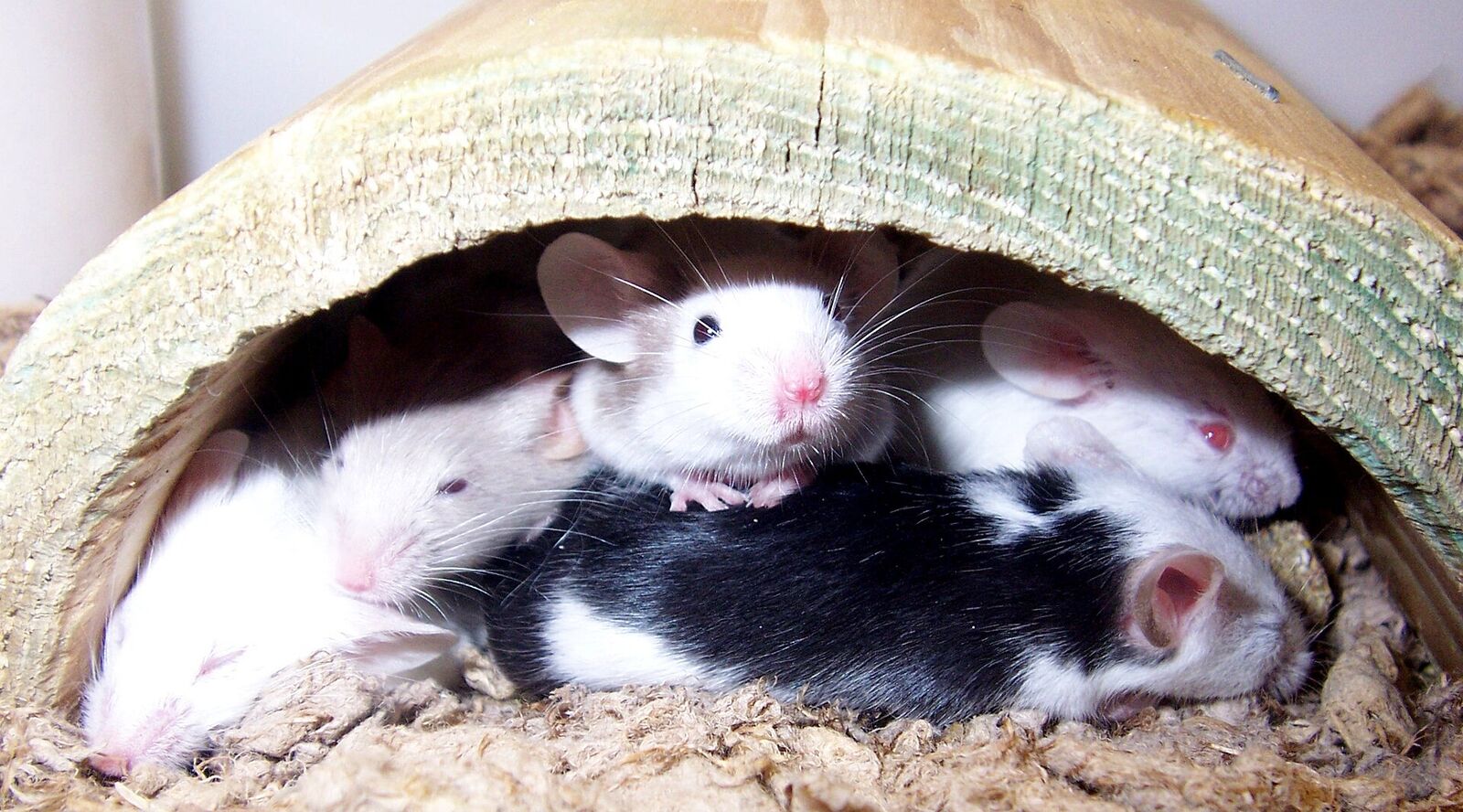
Fancy mouse
Mus musculus
Tiny, busy and fun to watch.
Pet trade
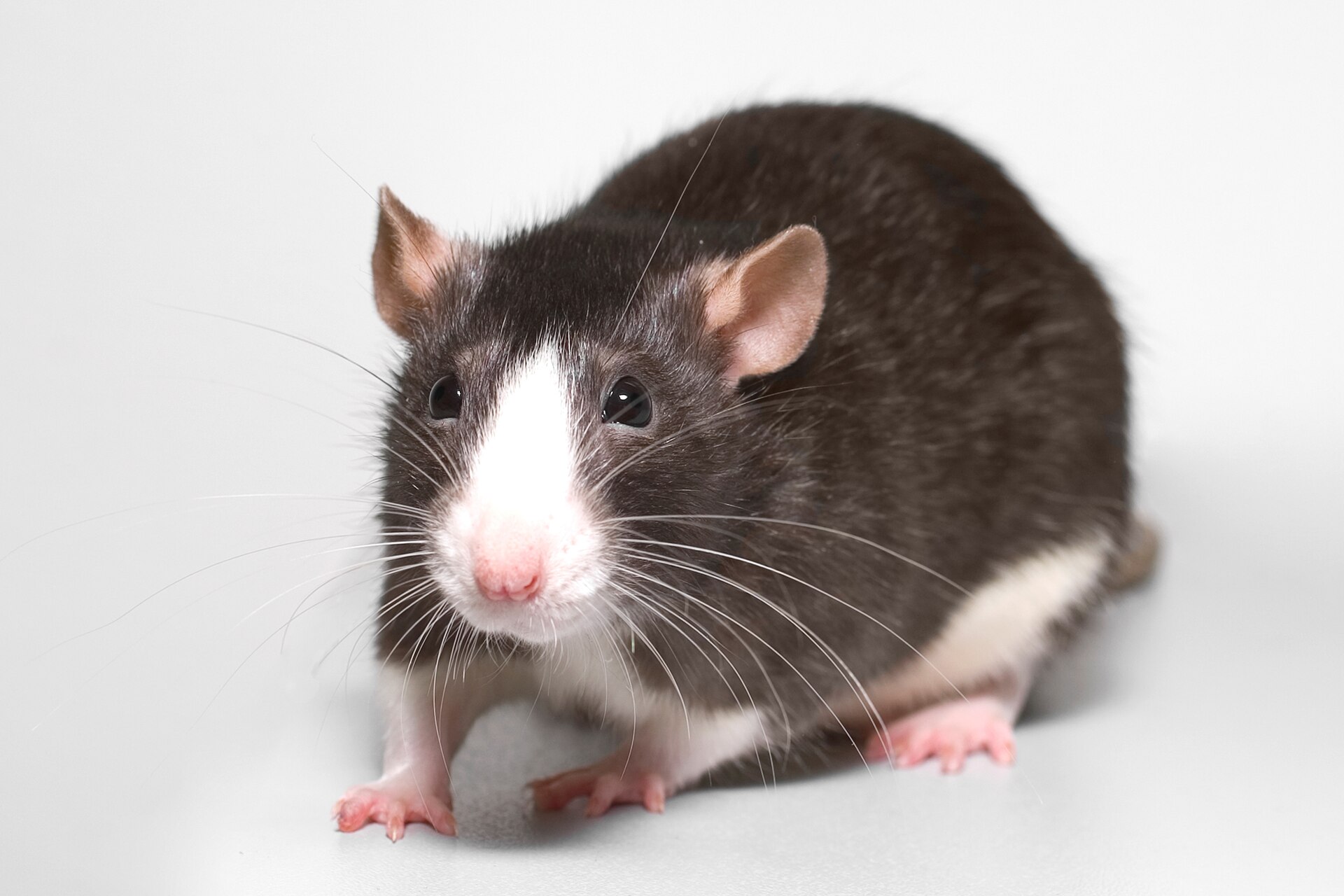
Fancy rat
Rattus norvegicus
Clever, affectionate and endlessly curious.
Pet trade
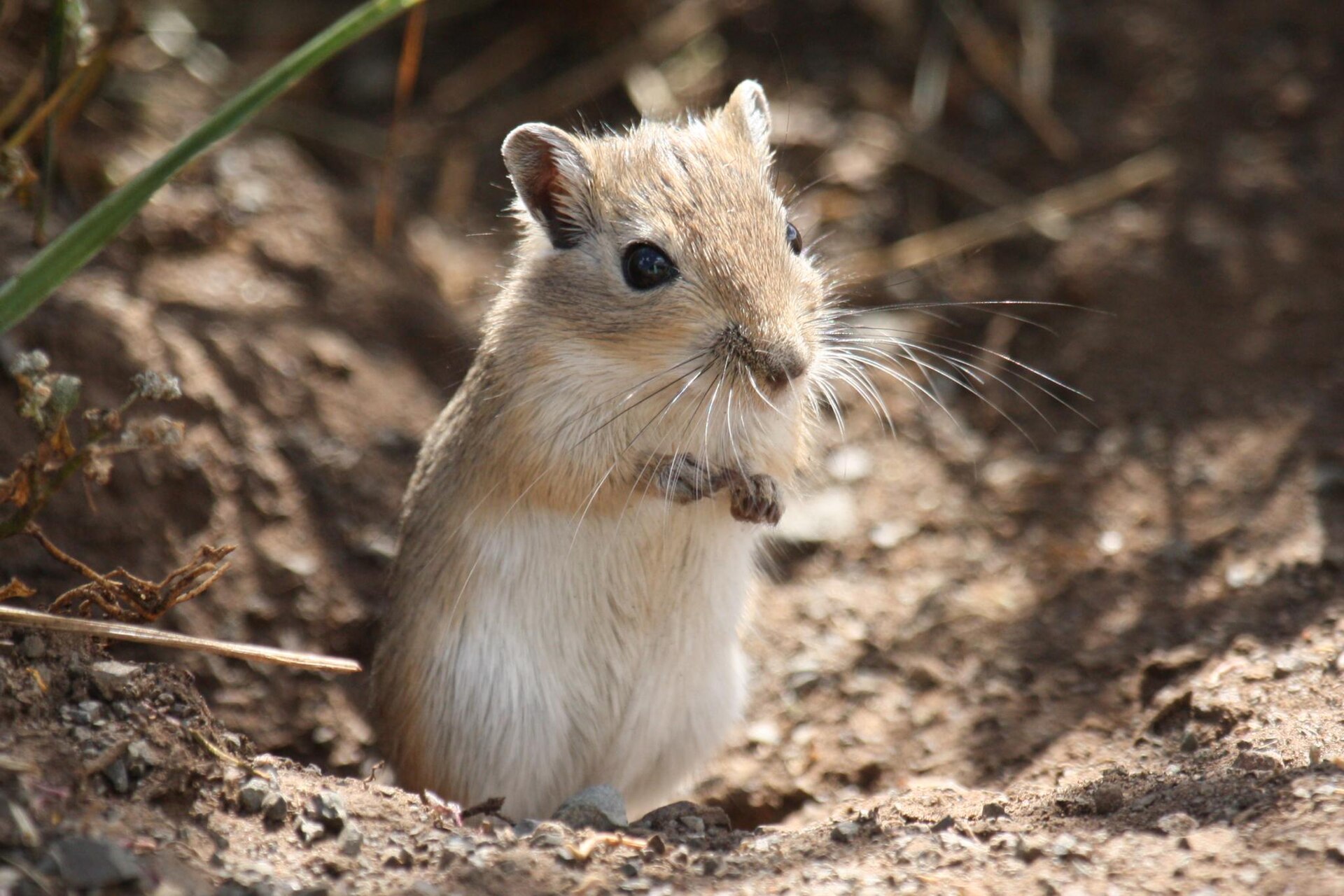
Mongolian gerbil
Meriones unguiculatus
Desert diggers that love company.
Pet trade

Acacia rat
Thallomys paedulcus
Pet trade

African pygmy mouse
Mus minutoides
Pet trade

Arabian spiny mouse
Acomys dimidiatus
Pet trade