
Home / Mammals / Rodents / Natal multimammate mouse
Some federal rules applyNatal multimammate mouse
Mastomys natalensis
Mammals › Rodents (Rodentia) › Muridae (Rats, mice and gerbils)
The Natal multimammate mouse is a species of rodent in the family Muridae.

Care at a glance
Setup
One answer per setting. Where sources differ, the smaller figure is the minimum and the larger is what we recommend.
| Adult enclosure | Metal cage, bars no more than 1 cm apart tray protected by a railing | zoo-ekzo.ru |
| Bedding | Paper, straw or soft meadow hay | zoo-ekzo.ru |
| Nest box and hides | A house plus toys (ladders, wheels, sticks) | zoo-ekzo.ru |
| Chewing | they can chew through even a wooden cage bottom several centimeters thick | zoo-ekzo.ru |
| Dust bath | A container of chinchilla sand keeps the fur clean | zoo-ekzo.ru |
| Fresh foods | Apples, bananas, carrots, pears, cabbage, broccoli | zoo-ekzo.ru |
| Water | Free access to fresh water | zoo-ekzo.ru |
| Social housing | One male with 3-5 females | zoo-ekzo.ru |
Care guide
By age
| Baby | Feeding: Nursed by the mother for three to four weeks. | zoo-ekzo.ru |
| Juvenile | Feeding: Eats on its own after 5-6 weeks. | zoo-ekzo.ru |
- Stops eating, seems depressed: a lone mouse can become depressed and stop eating zoo-ekzo.ru
Understanding the animal
About this animal
About this animal
It is also known as the Natal multimammate rat, the common African rat, African soft fur rat or the African soft-furred mouse. The Natal multimammate rat is the natural host of the Lassa fever virus.
From Wikipedia: Natal multimammate mouse, CC BY-SA 4.0 (excerpt)
In the wild
In the wild
Researched for this exact species, not its family. Wild conditions are context, not enclosure settings.12
| Where it lives | Found in Africa south of the Sahara. |
| Social life | Social and polygamous, so it should be kept in groups. |
| Wild diet | Eats mostly seeds and fruit in the wild, sometimes insects. |
| Behavior to plan for | Easy to litter-train: put a container in one corner of the cage. |
Profile
Profile
Researched for this exact species. Sources are listed under In the wild above.
Keeper tips
- Can be aggressive toward people and bites readily, so handle with care.
Remarkable facts
- Females live about two years, males about three.
- Body length 13-15 cm, of which 10-11 cm is tail (as the page states).
Data and studies
Veterinary & husbandry research
Veterinary & husbandry research
- Lassa fever - the road ahead. et al., Nature reviews. Microbiology 2023
- Praomys (Mastomys) natalensis: a model for gastric carcinoid formation. et al., The Yale journal of biology and medicine 1992
- Mastomys natalensis Has a Cellular Immune Response Profile Distinct from Laboratory Mice. et al., Viruses 2021
- Mastomys natalensis is a possible natural rodent reservoir for encephalomyocarditis virus. et al., The Journal of general virology 2021
Peer-reviewed papers that mention this species alongside captivity, zoos, veterinary care or aquaculture. Some cover several species or mention it only in passing, so check the abstract. PubMed
Sources for this sheet
- 50 CFR Part 16: Injurious wildlife (Lacey Act) Zoo, university or veterinaryCurrent federal regulation, read from eCFR.
- U.S. Association of Reptile Keepers v. Zinke (D.C. Cir. 2017) Zoo, university or veterinaryAppeals ruling that the Lacey Act's shipping ban does not cover moves between the continental states.
- 42 CFR 71.56: African rodents and other animals that may carry monkeypox (CDC) Zoo, university or veterinaryFederal import ban on African rodents.
- Главное меню (zoo-ekzo.ru) Expert educator & keeperZoo, government or conservation body.
- Official websites use.gov (pmc.ncbi.nlm.nih.gov) Peer-reviewed researchPublished research.
- GBIF Backbone Taxonomy (Global Biodiversity Information Facility) (CC BY 4.0) Peer-reviewed researchInternational scientific taxonomy used here for classification. GBIF Secretariat (2023). GBIF Backbone Taxonomy. Checklist dataset https://doi.org/10.15468/39omei, accessed via GBIF.org.
- Wikipedia (species article) (CC BY-SA 4.0) Community referenceFree encyclopedia; useful overviews with their own citations. Short excerpts are quoted under CC BY-SA 4.0, each credited with a link to its article.
- PubMed (U.S. National Library of Medicine) Peer-reviewed researchIndex of peer-reviewed veterinary, zoo and husbandry research.
More rats, mice and gerbils
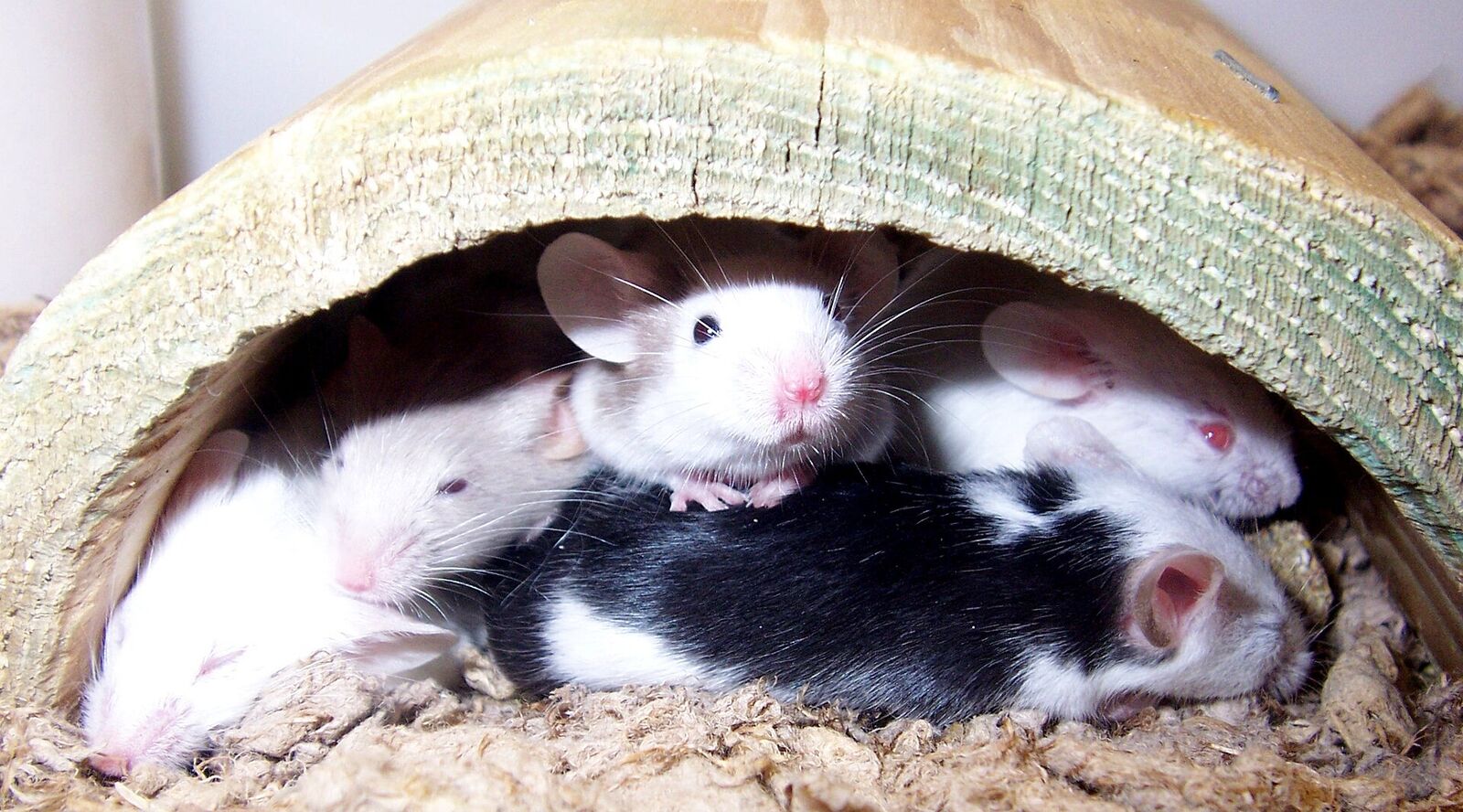
Fancy mouse
Mus musculus
Tiny, busy and fun to watch.
Pet trade
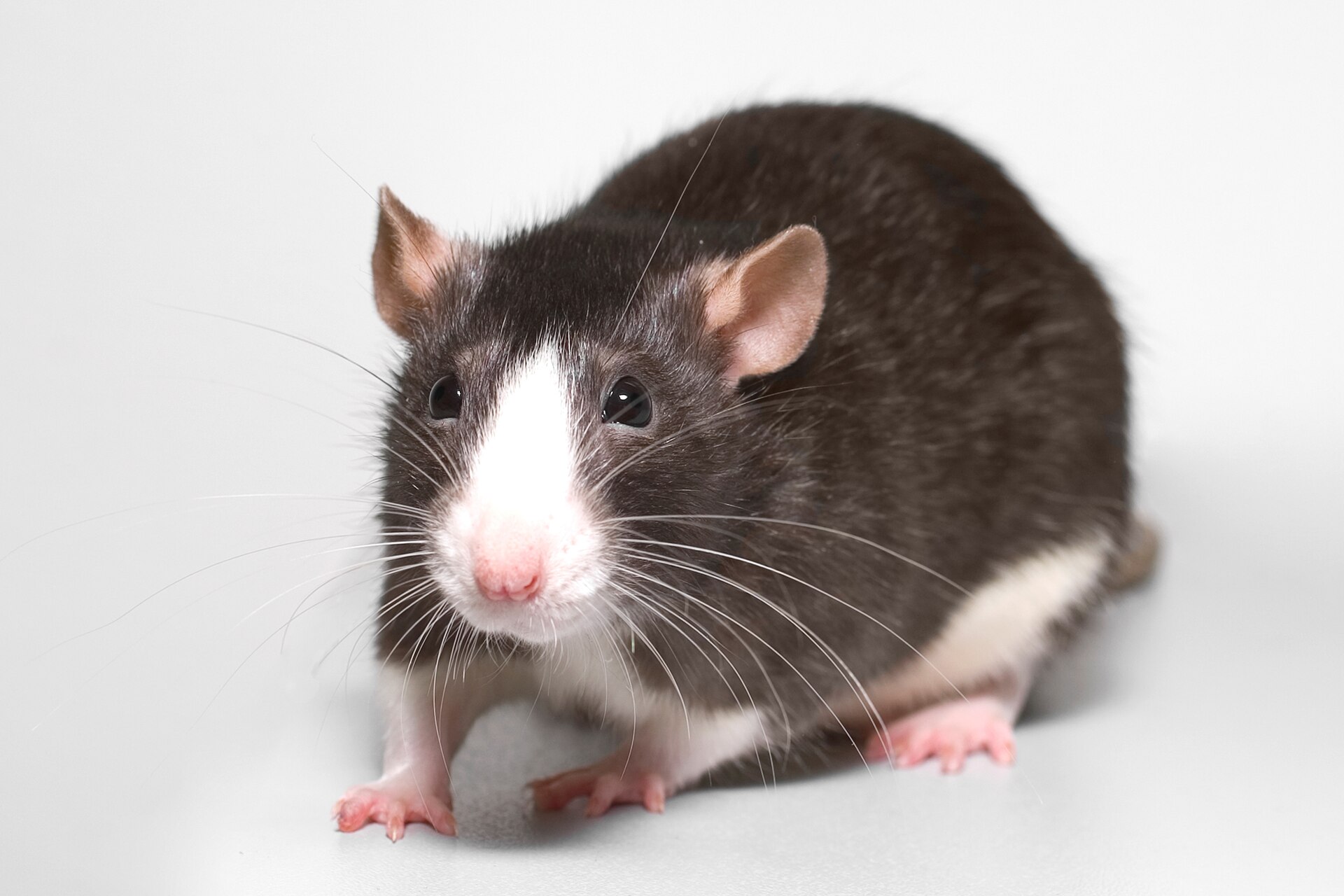
Fancy rat
Rattus norvegicus
Clever, affectionate and endlessly curious.
Pet trade
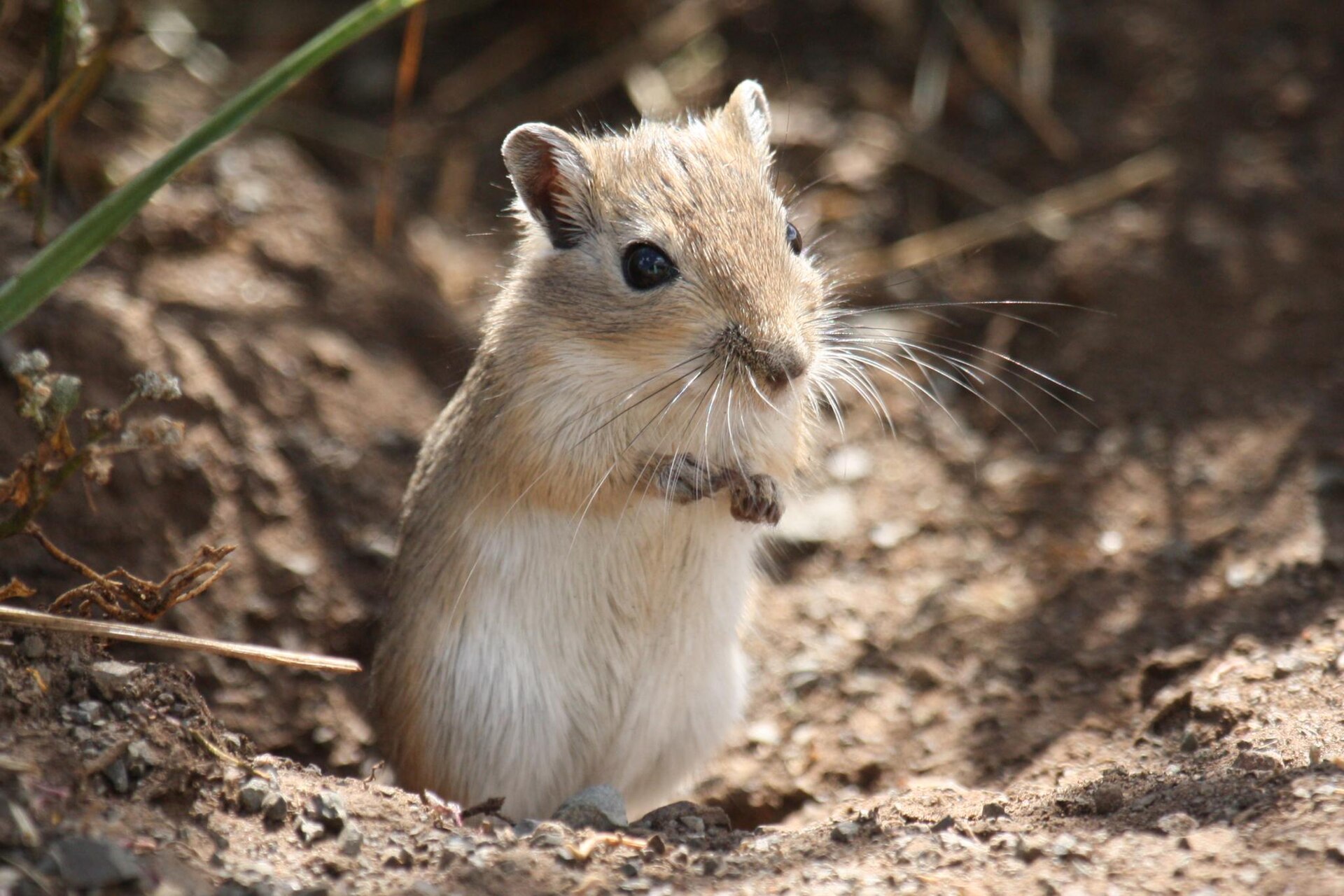
Mongolian gerbil
Meriones unguiculatus
Desert diggers that love company.
Pet trade

Acacia rat
Thallomys paedulcus
Pet trade

African pygmy mouse
Mus minutoides
Pet trade

Arabian spiny mouse
Acomys dimidiatus
Pet trade