
Home / Mammals / Rodents / Pallid gerbil
Some federal rules applyPallid gerbil
Gerbillus perpallidus
Mammals › Rodents (Rodentia) › Muridae (Rats, mice and gerbils)
The pale gerbil is endemic to Egypt and is distributed mainly in the northwestern part of the country.

Care at a glance
Setup
One answer per setting. Where sources differ, the smaller figure is the minimum and the larger is what we recommend.
| Adult enclosure | 15 x 12 x 10 in (38 x 30 x 25 cm) tank for two gerbils | wikihow.life |
| Bedding | Paper, wood or corncob; no cedar or pine Cedar and pine aren't healthy for gerbils | wikihow.life |
| Dust bath | Clean chinchilla sand at least once a week It's how they de-grease their fur | wikihow.life |
| Food | Food with at least ten to twelve percent protein and six to eight percent fat | wikihow.life |
| Fresh foods | Insects such as mealworms; less keen on fruit and vegetables than Mongolian gerbils | s469337723.websitehome.co.uk |
| Water | Small gravity water bottle Fresh water without a messy open bowl | wikihow.life |
| Social housing | Two or more, all the same sex Same-sex groups are less prone to fighting | wikihow.life |
Care guide
- Diarrhea, sneezing, low energy or breathing trouble: Signs of illness: see a vet. wikihow.life
- Eating less, or losing or gaining weight: A warning sign of illness. wikihow.life
Understanding the animal
About this animal
About this animal
It is also known as the pallid gerbil. The pale gerbil has pale orange fur, with white underparts, white forelimbs and white feet. The ears are unpigmented and the soles of the feet are haired, which is a characteristic of sand-dwelling gerbils.
From Wikipedia: Pale gerbil, CC BY-SA 4.0 (excerpt)
In the wild
In the wild
Researched for this exact species, not its family. Wild conditions are context, not enclosure settings.12
| Where it lives | Found only in Egypt, mainly in the northwest of the country. |
| Social life | A social gerbil that seems bored and depressed alone; single-sex groups live together happily. |
Profile
Profile
Researched for this exact species. Sources are listed under In the wild above.
Keeper tips
- Makes a good pet, with habits and temperament like the Mongolian gerbil.
Data and studies
Veterinary & husbandry research
Veterinary & husbandry research
- Taxonomic hypotheses regarding the genus Gerbillus (Rodentia, Muridae, Gerbillinae) based on molecular analyses of museum specimens. et al., ZooKeys 2016
- Novel rodent models for macular research. et al., PloS one 2010
- Diversity and Evolution of Highly Repetitive DNA Sequences Constituting Chromosome Site-Specific Heterochromatin in Two Gerbillinae Species. et al., Cytogenetic and genome research 2023
- Sociability and pair-bonding in gerbils: a comparative experimental study. et al., Current zoology 2019
Peer-reviewed papers that mention this species alongside captivity, zoos, veterinary care or aquaculture. Some cover several species or mention it only in passing, so check the abstract. PubMed
Sources for this sheet
- 42 CFR 71.56: African rodents and other animals that may carry monkeypox (CDC) Zoo, university or veterinaryFederal import ban on African rodents.
- Care for pallid gerbils (wikihow.life) Community referenceWeb page.
- Pallid (s469337723.websitehome.co.uk) Community referenceWeb page.
- Wikipedia: Gerbillus perpallidus (CC BY-SA 4.0) Community referenceEncyclopedia article.
- GBIF Backbone Taxonomy (Global Biodiversity Information Facility) (CC BY 4.0) Peer-reviewed researchInternational scientific taxonomy used here for classification. GBIF Secretariat (2023). GBIF Backbone Taxonomy. Checklist dataset https://doi.org/10.15468/39omei, accessed via GBIF.org.
- Wikipedia (species article) (CC BY-SA 4.0) Community referenceFree encyclopedia; useful overviews with their own citations. Short excerpts are quoted under CC BY-SA 4.0, each credited with a link to its article.
- PubMed (U.S. National Library of Medicine) Peer-reviewed researchIndex of peer-reviewed veterinary, zoo and husbandry research.
More rats, mice and gerbils
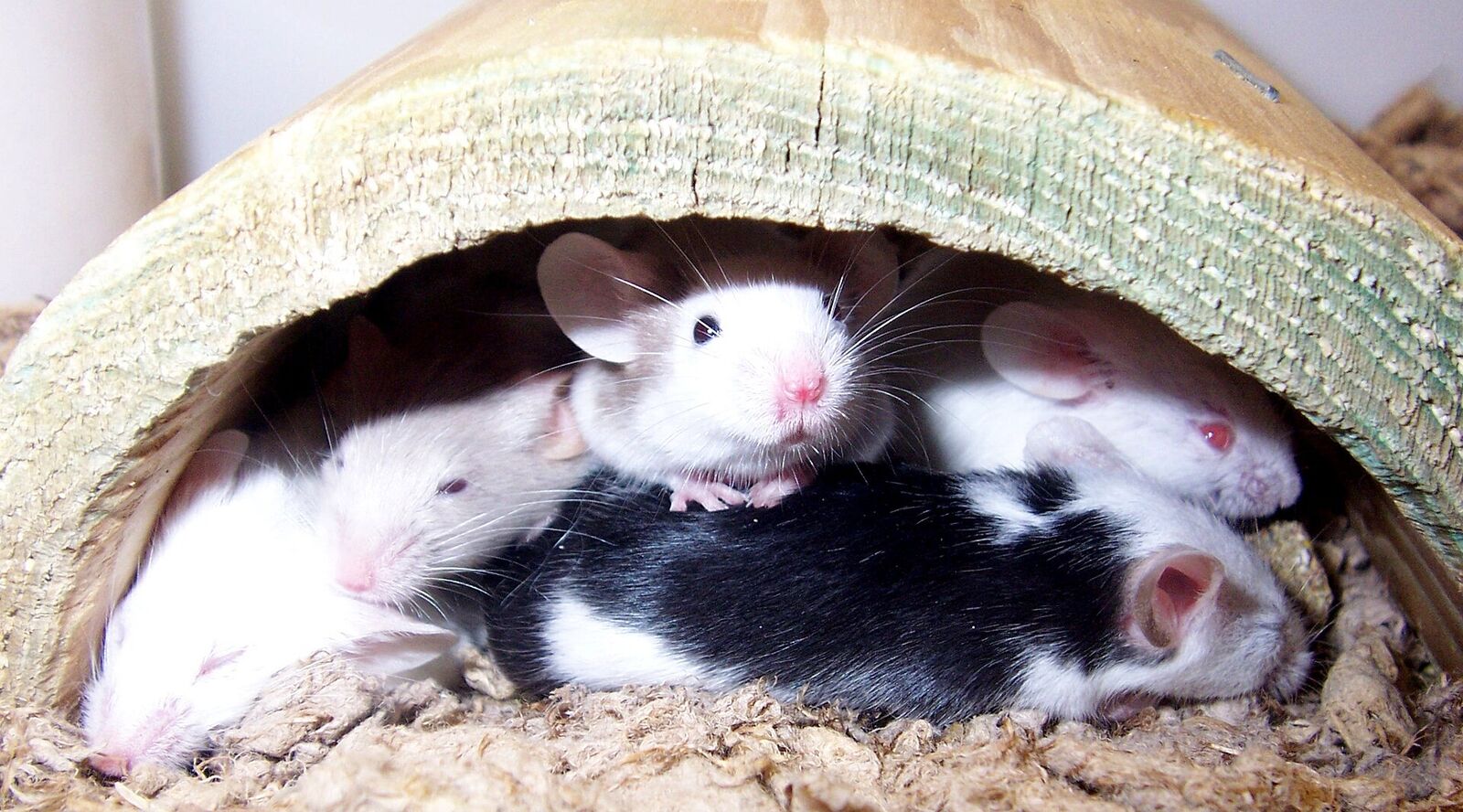
Fancy mouse
Mus musculus
Tiny, busy and fun to watch.
Pet trade
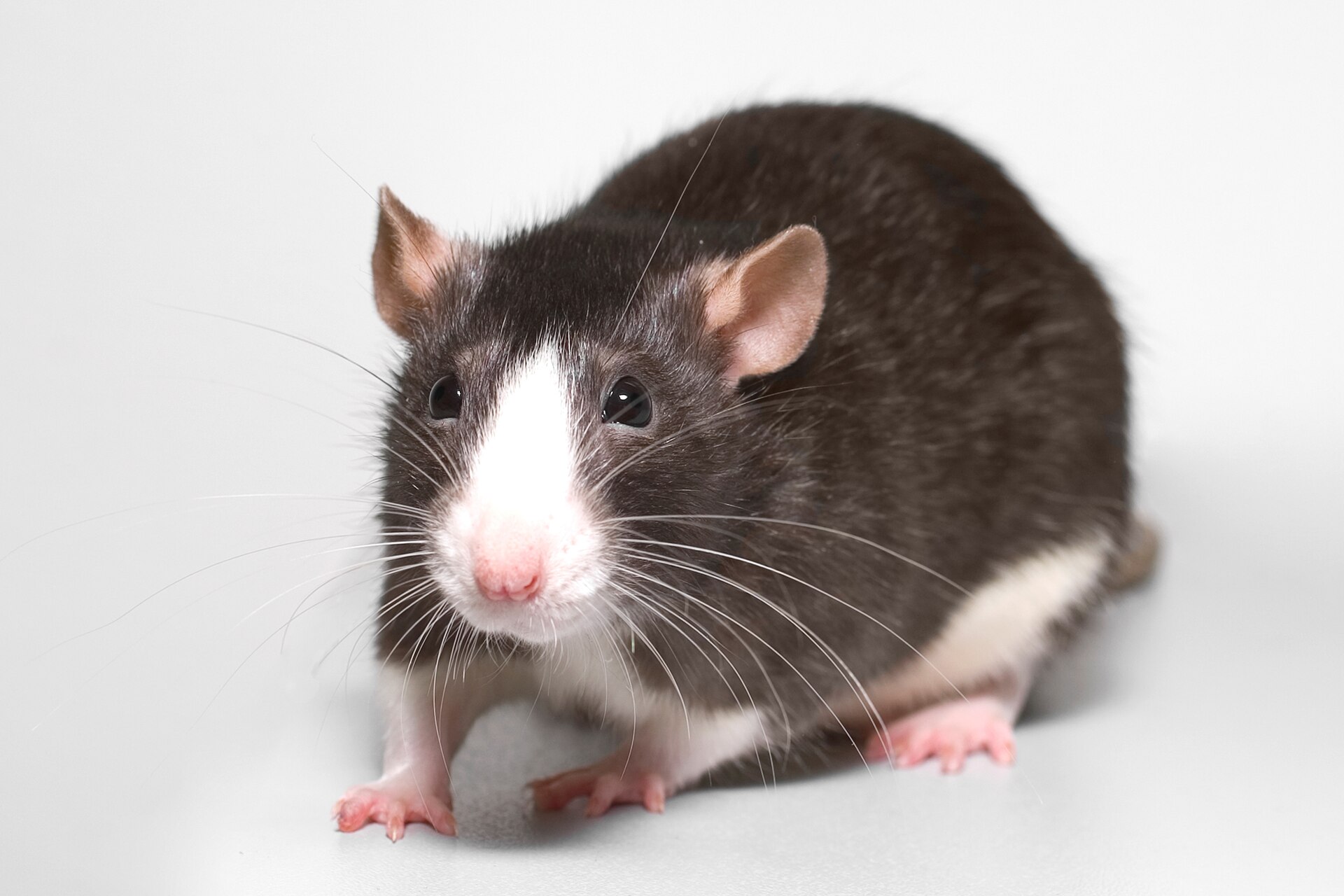
Fancy rat
Rattus norvegicus
Clever, affectionate and endlessly curious.
Pet trade
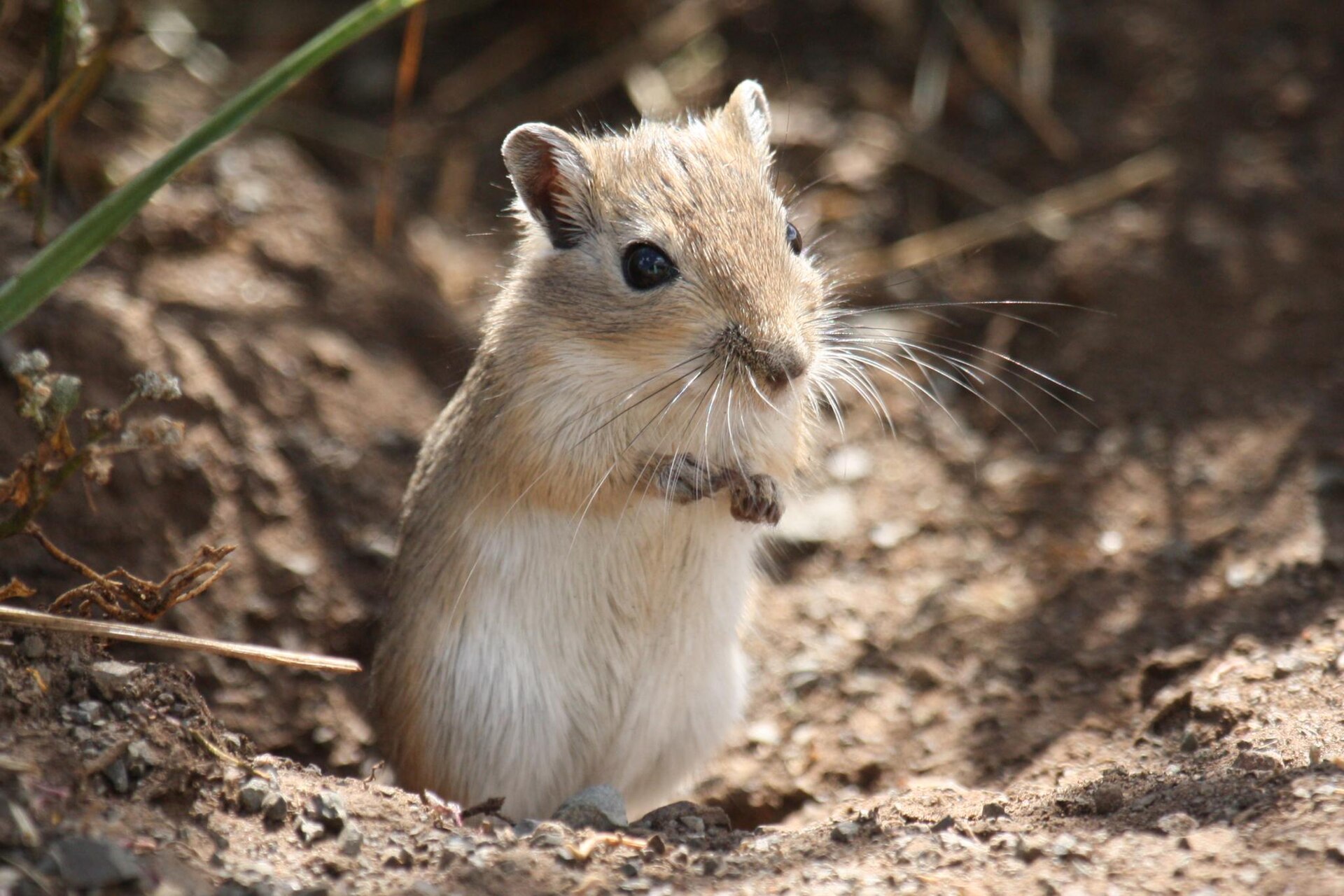
Mongolian gerbil
Meriones unguiculatus
Desert diggers that love company.
Pet trade

Acacia rat
Thallomys paedulcus
Pet trade

African pygmy mouse
Mus minutoides
Pet trade

Arabian spiny mouse
Acomys dimidiatus
Pet trade