
Home / Mammals / Rodents / Richardson's ground squirrel
No federal permit to keepRichardson's ground squirrel
Urocitellus richardsonii
Mammals › Rodents (Rodentia) › Sciuridae (Squirrels and ground squirrels)
Richardson's ground squirrel (Urocitellus richardsonii), also known as the dakrat or flickertail, is a North American ground squirrel in the genus Urocitellus.
From Wikipedia: Richardson's ground squirrel, CC BY-SA 4.0 (excerpt)

Care at a glance
Species-specific values
Values researched for this exact species. Air, surface and water temperatures are listed separately, and each source is kept as published rather than averaged.
| Social housing | It is not necessary to keep Richardson’s ground squirrels in pairs; house intolerant squirrels separately. | |
| Minimum enclosure | Use a medium to large cage with a deep bottom and bars spaced 3/4 inch or less. | |
| Humidity | In a dry climate, run a mister-style humidifier about 1 m from the cage for about half the day. | |
| Diet | Suggested foods include greens, dandelion, melon, other fruit, unsalted sunflower seeds, oats, hay, and pelleted squirrel or rodent diet; avoid sweetened or salted foods. | |
| Feeding frequency | Remove old or uneaten food daily and reduce food intake during fattening mode. | |
| Seasonal cooling | 41–59 °F (5–15 °C) |
Understanding the animal
About this animal
About this animal
Like a number of other ground squirrels, they are sometimes called prairie dogs or gophers, though the latter name belongs more strictly to the pocket gophers of family Geomyidae, and the former to members of the genus Cynomys.
From Wikipedia: Richardson's ground squirrel, CC BY-SA 4.0 (excerpt)
In the wild
In the wild
| Overview | Richardson's ground squirrel (Urocitellus richardsonii), also known as the dakrat or flickertail, is a North American ground squirrel in the genus Urocitellus. Like a number of other ground squirrels, they are sometimes called prairie dogs or gophers, though the latter name belongs more strictly to the pocket gophers of family Geomyidae, and the former to members of the genus Cynomys. — From Wikipedia: Richardson's ground squirrel, CC BY-SA 4.0 (excerpt) |
| Where it lives | Native to the short grass prairies, Richardson's ground squirrel is found mainly in the northern states of the United States, such as North Dakota and Montana, and in western Canada, including central and southern Alberta, southern Saskatchewan, and southern Manitoba. The range of this animal expanded as forests were cleared to create farmland. — From Wikipedia: Richardson's ground squirrel, CC BY-SA 4.0 (excerpt) |
| Wild diet | These animals are omnivores, eating seeds, nuts, grains, grasses and insects (especially crickets, caterpillars and grasshoppers). They stuff their cheek pouches with seeds, which are stored in the burrow and likely eaten in spring. They are also reported to cannibalize ground squirrels killed by road traffic. — From Wikipedia: Richardson's ground squirrel, CC BY-SA 4.0 (excerpt) |
| Behavior | Richardson's ground squirrels appear to live communally, but they organize their social structure around female kinship. A female Richardson's ground squirrel will tolerate the presence of closely related females, but are territorial towards other individuals. Individuals are territorial around their nest sites. — From Wikipedia: Richardson's ground squirrel, CC BY-SA 4.0 (excerpt) |
| Reproduction | Female Richardson's ground squirrels produce one litter per year. Litter size averages six, and the maximum size recorded is 14. The young are born in April or May. — From Wikipedia: Richardson's ground squirrel, CC BY-SA 4.0 (excerpt) |
| Appearance and size | Typical adults are about 30 cm long. Weights vary greatly with time of year and with location: at emergence from hibernation the squirrels weigh between 200 and(-) for females and between 350 and(-) for males. But by the time they hibernate again, their weight may have risen to nearly 750 g. — From Wikipedia: Richardson's ground squirrel, CC BY-SA 4.0 (excerpt) |
| History and naming | This squirrel was named after the Scottish naturalist Sir John Richardson. North Dakota is nicknamed the Flickertail state after the squirrel. The nickname Dakrat is derived from "Dakota Rat" and is a commonly used name around Minot, North Dakota and on Minot Air Force Base. — From Wikipedia: Richardson's ground squirrel, CC BY-SA 4.0 (excerpt) |
Native climate (measured)
Native climate (measured)
| Warm-season highs | about 77°F (up to 80°F in the hottest sampled areas) |
| Cool-season lows | about -1°F (down to -10°F in the coldest sampled areas) |
| Average temperature | 36–42°F across sampled records |
| Relative humidity | 60–76% on average (driest month about 53%) |
| Rainfall | about 427 mm a year |
| Winters | Cool to cold winters (lows around -1°F) in much of its native range. Seasonal slowdown may be relevant, but species-specific biology determines whether brumation or hibernation occurs. |
Measured at 127 wild occurrence records sampled against WorldClim 2.1 climate data (1970–2000 averages). Air conditions in the range are ecological context, not enclosure settings: microhabitats such as burrows, leaf litter or basking rocks can be cooler, warmer or more humid.
Profile
Profile
Researched for this exact species. Sources are listed under In the wild above.
History
This squirrel was named after the Scottish naturalist Sir John Richardson. North Dakota is nicknamed the Flickertail state after the squirrel. The nickname Dakrat is derived from "Dakota Rat" and is a commonly used name around Minot, North Dakota and on Minot Air Force Base.
From Wikipedia: Richardson's ground squirrel, CC BY-SA 4.0 (excerpt)
Data and studies
The numbers
The numbers
Each bar is what one source reports. Where several sources weigh in, the dashed gold band marks their average.
Typical adult weight
Average adult body mass in each database (FishBase gives the maximum recorded weight).
Gestation
Female maturity
Sources for this sheet
- AnAge: The Animal Ageing and Longevity Database (Human Ageing Genomic Resources) (CC BY 3.0) Peer-reviewed researchCurated, referenced longevity and life-history records for thousands of species; maximum lifespans are often from zoo animals.
- 9 CFR 2.1: Animal Welfare Act licensing (USDA) Zoo, university or veterinaryWho needs a USDA license to breed, sell or exhibit animals.
- GBIF Backbone Taxonomy (Global Biodiversity Information Facility) (CC BY 4.0) Peer-reviewed researchInternational scientific taxonomy used here for classification. GBIF Secretariat (2023). GBIF Backbone Taxonomy. Checklist dataset https://doi.org/10.15468/39omei, accessed via GBIF.org.
- Wikipedia (species article) (CC BY-SA 4.0) Community referenceFree encyclopedia; useful overviews with their own citations. Short excerpts are quoted under CC BY-SA 4.0, each credited with a link to its article.
- iNaturalist (captive observations) Community referenceCommunity observation platform run by the California Academy of Sciences and National Geographic; observations marked captive show animals living in homes, zoos and aquariums.
More squirrels and ground squirrels
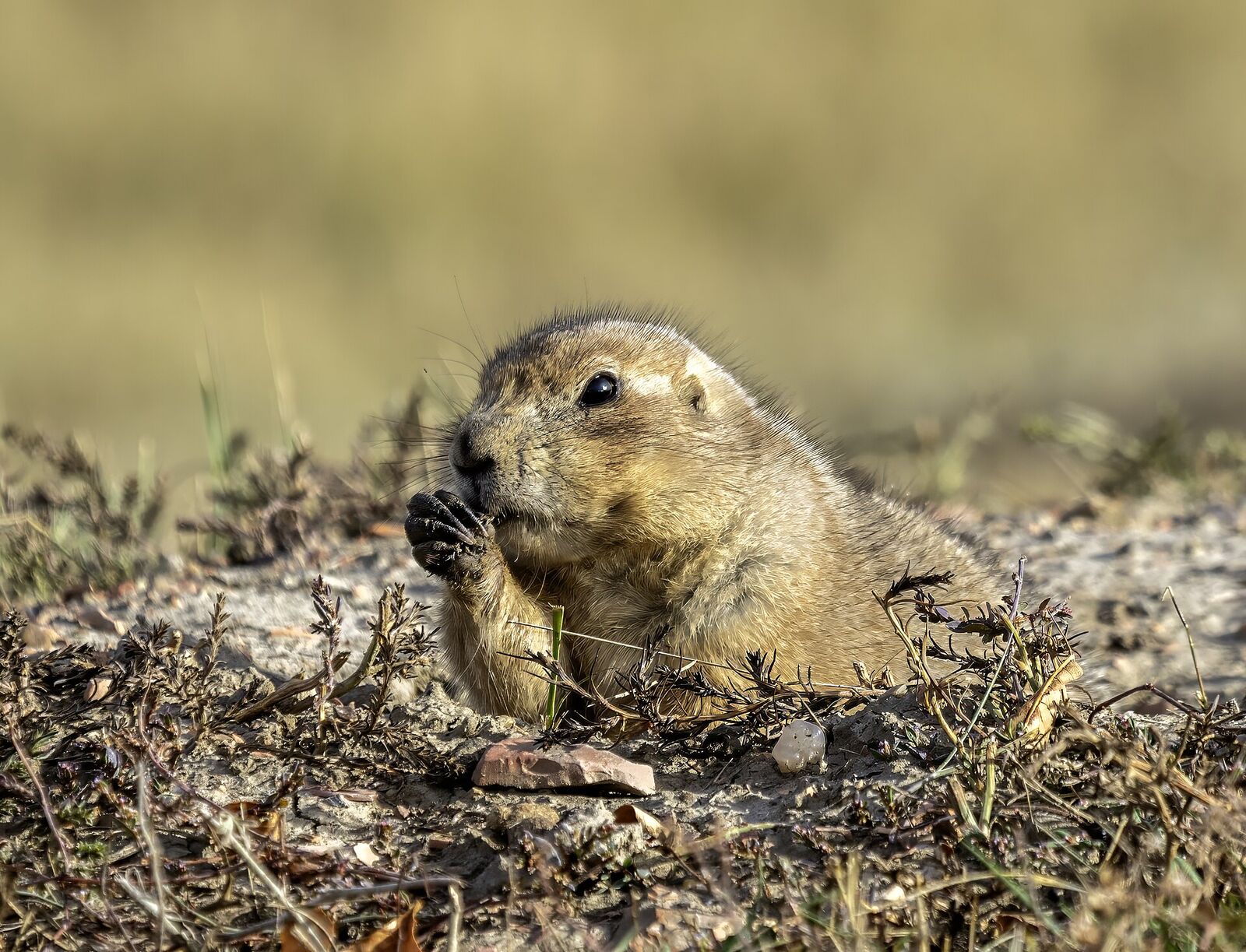
Black-tailed prairie dog
Cynomys ludovicianus
The most social of the ground squirrels.
Pet trade
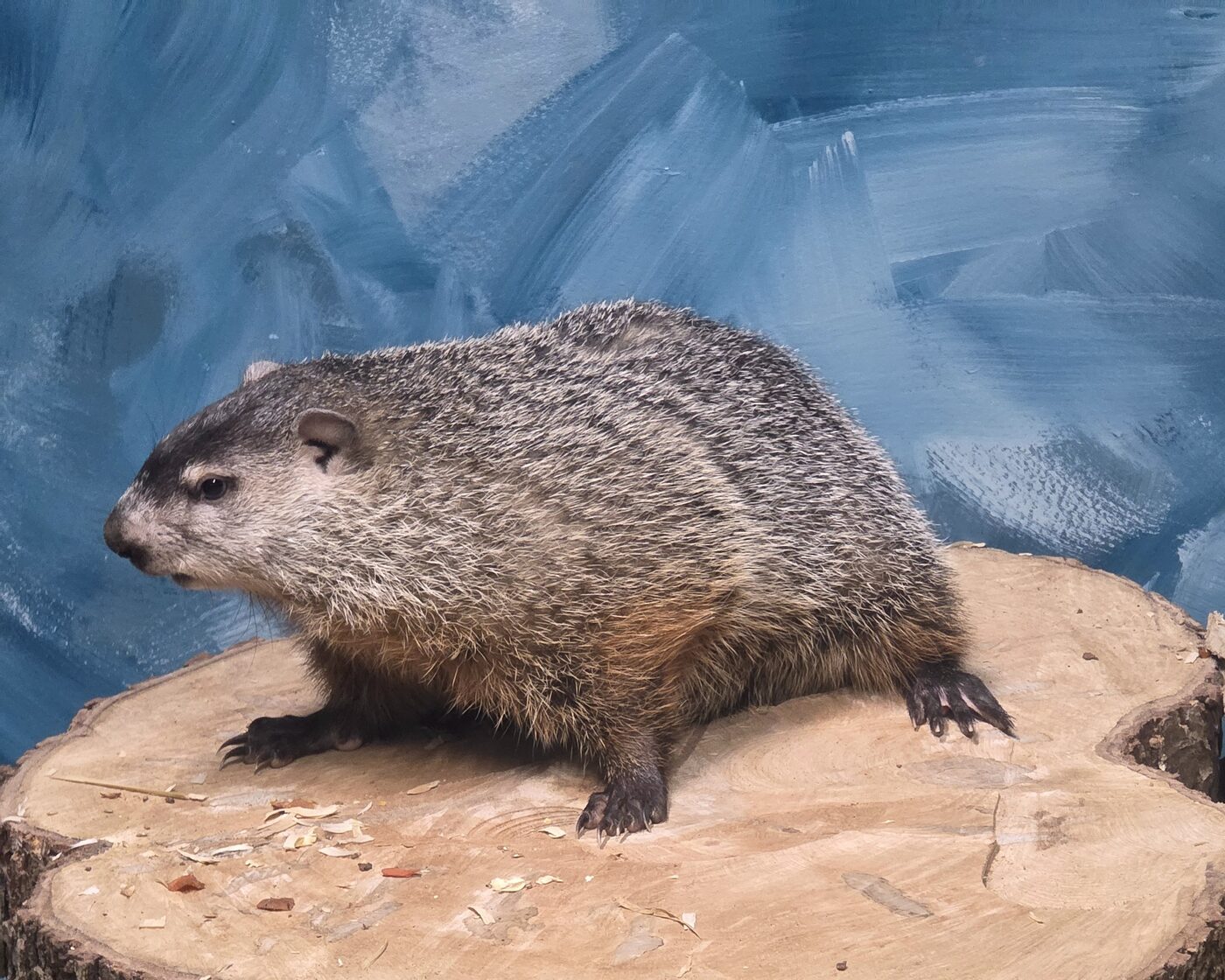
Groundhog (woodchuck)
Marmota monax
A true hibernator and master tunnel engineer.
Pet trade

American red squirrel
Tamiasciurus hudsonicus
Zoos & aquariums

Arctic ground squirrel
Urocitellus parryii
Zoos & aquariums

Eastern gray squirrel
Sciurus carolinensis
Zoos & aquariums

European ground squirrel
Spermophilus citellus
Zoos & aquariums