
Home / Mammals / Rodents / Siberian chipmunk
No federal permit to keepSiberian chipmunk
Tamias sibiricus
Mammals › Rodents (Rodentia) › Sciuridae (Squirrels and ground squirrels)
The Siberian chipmunk (Eutamias sibiricus), also called common chipmunk, is a species of chipmunk native to northern Asia from central Russia to China, Korea, and Hokkaidō in northern Japan.
From Wikipedia: Siberian chipmunk, CC BY-SA 4.0 (excerpt)

Care at a glance
Species-specific values
Values researched for this exact species. Air, surface and water temperatures are listed separately, and each source is kept as published rather than averaged.
| Diet | Up to 50% of the diet should be cereals; also offer unsalted seeds and nuts, small amounts of washed fruit and vegetables, untreated seeding grasses and weeds, and fresh clean water. Source: rspca.org.uk | |
| Social housing | Siberian chipmunks may live in a pair or group if compatible; prevent breeding in mixed-sex housing. Source: rspca.org.uk | |
| Substrate | Give them a solid floor with non-toxic, dust-free paper shreds or wood shavings to dig in; no wire mesh. Source: rspca.org.uk |
Understanding the animal
About this animal
About this animal
It was imported from South Korea and introduced in Europe as a pet in the 1960s.
From Wikipedia: Siberian chipmunk, CC BY-SA 4.0 (excerpt)
In the wild
In the wild
| Overview | The Siberian chipmunk (Eutamias sibiricus), also called common chipmunk, is a species of chipmunk native to northern Asia from central Russia to China, Korea, and Hokkaidō in northern Japan. It was imported from South Korea and introduced in Europe as a pet in the 1960s. — From Wikipedia: Siberian chipmunk, CC BY-SA 4.0 (excerpt) |
| Behavior | Siberian chipmunks usually live solitary lives, but during the winter they create a burrow, which they often share with another chipmunk. Its burrow, which can be 2.5 m long and 1.5 m deep, consists of a nest chamber, several storage chambers and chambers for the waste. During this winter season, these chipmunks store 3–4 kg of food in order to survive underground until April or May. — From Wikipedia: Siberian chipmunk, CC BY-SA 4.0 (excerpt) |
Read about this species in the wild at Animal Diversity Web.
Native climate (measured)
Native climate (measured)
| Warm-season highs | about 72°F (up to 72°F in the hottest sampled areas) |
| Cool-season lows | about 33°F (down to 33°F in the coldest sampled areas) |
| Average temperature | 50°F across sampled records |
| Relative humidity | 78% on average (driest month about 70%) |
| Rainfall | about 805 mm a year, spread fairly evenly |
| Winters | Cool to cold winters (lows around 33°F) in much of its native range. Seasonal slowdown may be relevant, but species-specific biology determines whether brumation or hibernation occurs. |
Measured at 58 wild occurrence records sampled against WorldClim 2.1 climate data (1970–2000 averages). Air conditions in the range are ecological context, not enclosure settings: microhabitats such as burrows, leaf litter or basking rocks can be cooler, warmer or more humid.
Data and studies
The numbers
The numbers
Each bar is what one source reports. Where several sources weigh in, the dashed gold band marks their average.
Maximum recorded lifespan
Longest recorded lifespan reported by each database; typical lifespans are usually shorter. The AnAge record comes from an animal in human care.
Typical adult weight
Average adult body mass in each database (FishBase gives the maximum recorded weight).
Litter size
Average per litter or clutch.
Gestation
Female maturity
Veterinary & husbandry research
Veterinary & husbandry research
- Mammary adenocarcinoma in a chipmunk (Tamias sibiricus) Oohashi E et al., The Journal of veterinary medical science 2009
- Helminth fauna of the Siberian chipmunk, Tamias sibiricus Laxmann (Rodentia, Sciuridae) introduced in suburban French forests Pisanu B et al., Parasitology research 2007
- Bilateral testicular seminoma in a captive Siberian chipmunk (Tamias sibiricus) Wernick MB et al., Topics in companion animal medicine 2024
Peer-reviewed papers that mention this species alongside captivity, zoos, veterinary care or aquaculture. Some cover several species or mention it only in passing, so check the abstract. See all 7 on PubMed → PubMed
Sources for this sheet
- AnAge: The Animal Ageing and Longevity Database (Human Ageing Genomic Resources) (CC BY 3.0) Peer-reviewed researchCurated, referenced longevity and life-history records for thousands of species; maximum lifespans are often from zoo animals.
- Myhrvold et al. (2015). An amniote life-history database. Ecology 96: 3109 Peer-reviewed researchPeer-reviewed compilation of life-history data for over 21,000 birds, mammals and reptiles.
- 9 CFR 2.1: Animal Welfare Act licensing (USDA) Zoo, university or veterinaryWho needs a USDA license to breed, sell or exhibit animals.
- GBIF Backbone Taxonomy (Global Biodiversity Information Facility) (CC BY 4.0) Peer-reviewed researchInternational scientific taxonomy used here for classification. GBIF Secretariat (2023). GBIF Backbone Taxonomy. Checklist dataset https://doi.org/10.15468/39omei, accessed via GBIF.org.
- Wikipedia (species article) (CC BY-SA 4.0) Community referenceFree encyclopedia; useful overviews with their own citations. Short excerpts are quoted under CC BY-SA 4.0, each credited with a link to its article.
- PubMed (U.S. National Library of Medicine) Peer-reviewed researchIndex of peer-reviewed veterinary, zoo and husbandry research.
More squirrels and ground squirrels
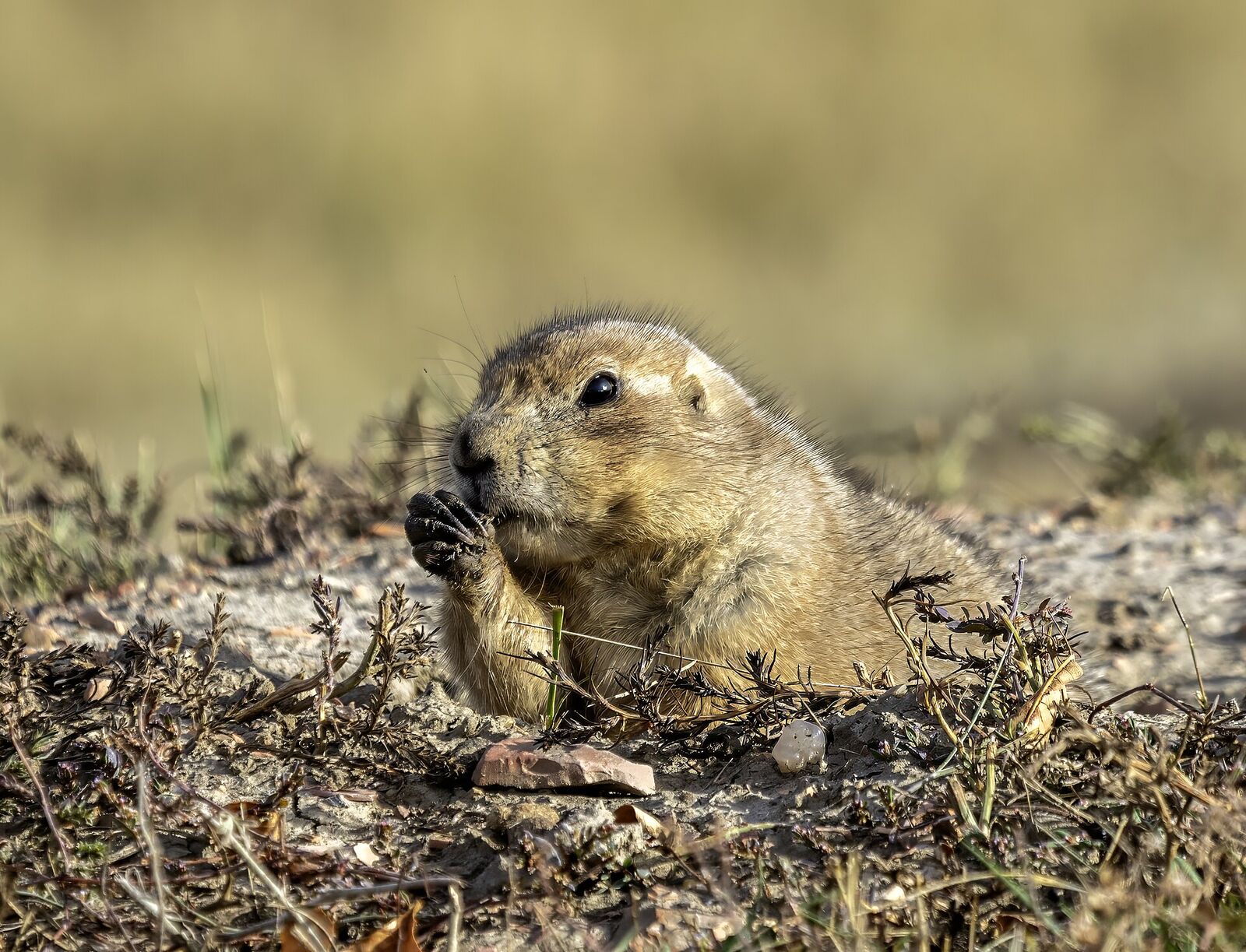
Black-tailed prairie dog
Cynomys ludovicianus
The most social of the ground squirrels.
Pet trade
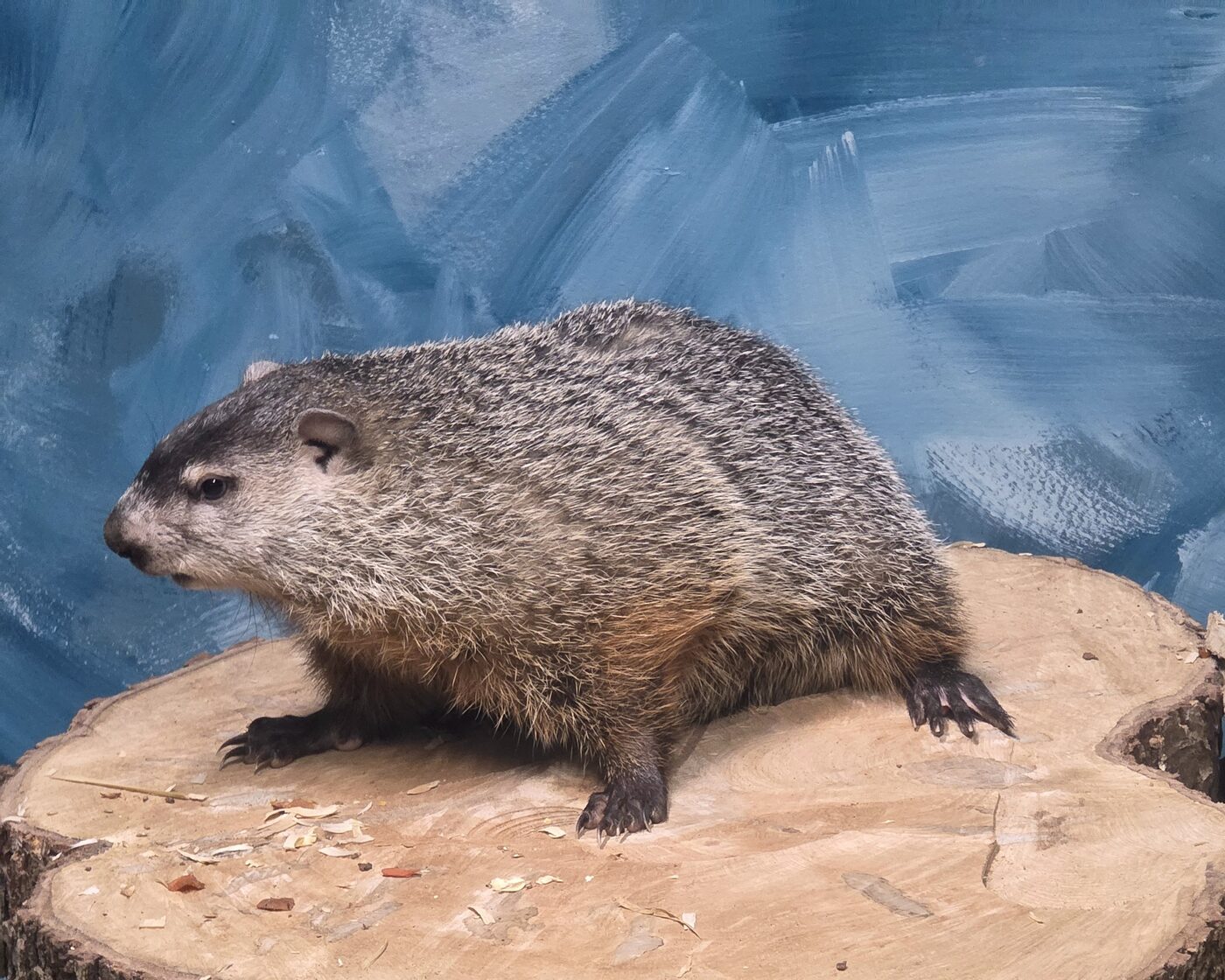
Groundhog (woodchuck)
Marmota monax
A true hibernator and master tunnel engineer.
Pet trade

American red squirrel
Tamiasciurus hudsonicus
Zoos & aquariums

Arctic ground squirrel
Urocitellus parryii
Zoos & aquariums

Eastern gray squirrel
Sciurus carolinensis
Zoos & aquariums

European ground squirrel
Spermophilus citellus
Zoos & aquariums