
Home / Reptiles / Snakes / Pythonidae / Southern African rock python
Some federal rules applySouthern African rock python
Python natalensis
Reptiles › Snakes (Serpentes) › Pythonidae (Pythons)
The Southern African rock python is a large python species native to Southern Africa inhabiting savanna and woodland.
Care at a glance
Setup
One answer per setting. Where sources differ, the smaller figure is the minimum and the larger is what we recommend.
| Juvenile enclosure | 100 × 50 × 60 cm (about 40 × 20 × 24 in) Young rock pythons can be raised in a 100x50x60 cm terrarium; adults easily need a room of their own. | african-python.de |
| Day temperature range | 77–100°F (25–38°C) The natural temperature in its habitat is 25–38 °C; give a gradient across this range. | african-python.de |
| Night temperature | down to 64°F (18°C) At night the temperature can safely drop to 18 °C. | african-python.de |
| Humidity | Dry floor; no standing wet Keep the floor free of standing wet (risk of fungus). | african-python.de |
| Winter rest | 2–4 months In South Africa this python is said to have a 2–4 month winter rest (Trutnau). | african-python.de |
| Substrate | Sand and bark mulch A mix of sand and bark mulch has worked; avoid sharp beech chips and pure quartz sand. | african-python.de |
| Climbing | Strong branches and a raised resting spot Rock pythons are excellent climbers. | african-python.de |
Understanding the animal
About this animal
About this animal
It was first described by Andrew Smith in 1833. Growing a length of more than 5 m (16 ft), this is one of the largest snakes in the world.
From Wikipedia: Southern African rock python, CC BY-SA 4.0 (excerpt)
Data and studies
Veterinary & husbandry research
Veterinary & husbandry research
- Beautifully dangerous or dangerously beautiful: perceptions of southern African pythons (Python natalensis) in southern African rural and urban areas. et al., Journal of ethnobiology and ethnomedicine 2025
- Parasites of domestic and wild animals in South Africa. XLVII. Ticks of tortoises and other reptiles. et al., The Onderstepoort journal of veterinary research 2006
Peer-reviewed papers that mention this species alongside captivity, zoos, veterinary care or aquaculture. Some cover several species or mention it only in passing, so check the abstract. PubMed
Sources for this sheet
- 50 CFR Part 16: Injurious wildlife (Lacey Act) Zoo, university or veterinaryCurrent federal regulation, read from eCFR.
- U.S. Association of Reptile Keepers v. Zinke (D.C. Cir. 2017) Zoo, university or veterinaryAppeals ruling that the Lacey Act's shipping ban does not cover moves between the continental states.
- Species+ (UNEP-WCMC and the CITES Secretariat) Zoo, university or veterinaryThe official database of species listed under CITES. UNEP (2026). The Species+ Website. Nairobi, Kenya. Compiled by UNEP-WCMC, Cambridge, UK. Available at: www.speciesplus.net. [Accessed 04/10/2026].
- USFWS International Affairs: CITES Zoo, university or veterinaryFederal agency that issues CITES permits.
- Natalensis (african-python.de) Community referenceWeb page.
- Wikipedia: Python natalensis (CC BY-SA 4.0) Community referenceEncyclopedia article.
- The Reptile Database: Python natalensis Zoo, university or veterinaryTaxonomy, distribution and literature for every reptile species.
- The Reptile Database Peer-reviewed researchScientist-curated catalog of every reptile species, with taxonomy and literature.
- GBIF Backbone Taxonomy (Global Biodiversity Information Facility) (CC BY 4.0) Peer-reviewed researchInternational scientific taxonomy used here for classification. GBIF Secretariat (2023). GBIF Backbone Taxonomy. Checklist dataset https://doi.org/10.15468/39omei, accessed via GBIF.org.
- Wikipedia (species article) (CC BY-SA 4.0) Community referenceFree encyclopedia; useful overviews with their own citations. Short excerpts are quoted under CC BY-SA 4.0, each credited with a link to its article.
- PubMed (U.S. National Library of Medicine) Peer-reviewed researchIndex of peer-reviewed veterinary, zoo and husbandry research.
More pythons
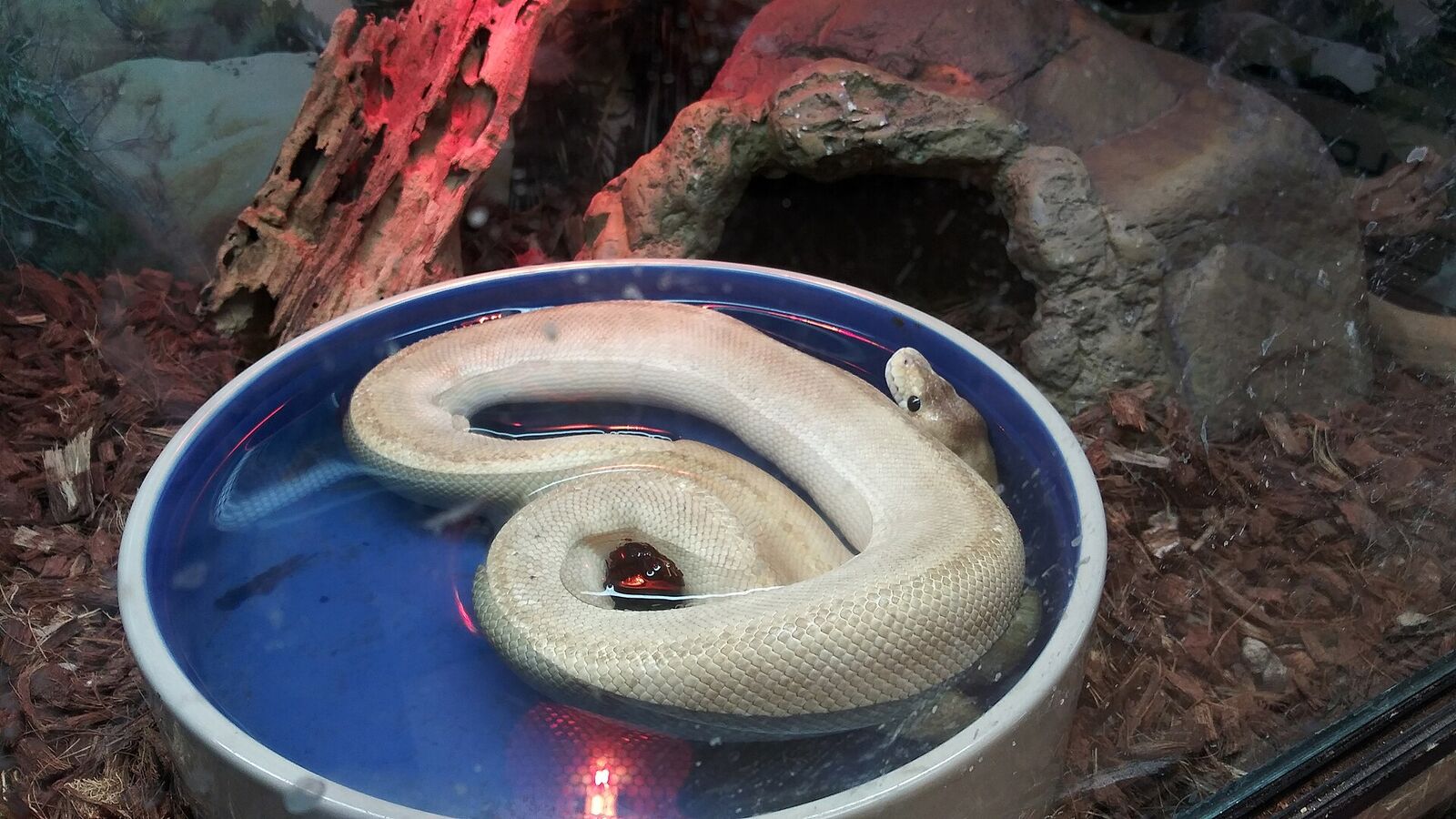
Ball python
Python regius
The calm, curl-up classic of pet snakes.
Pet trade
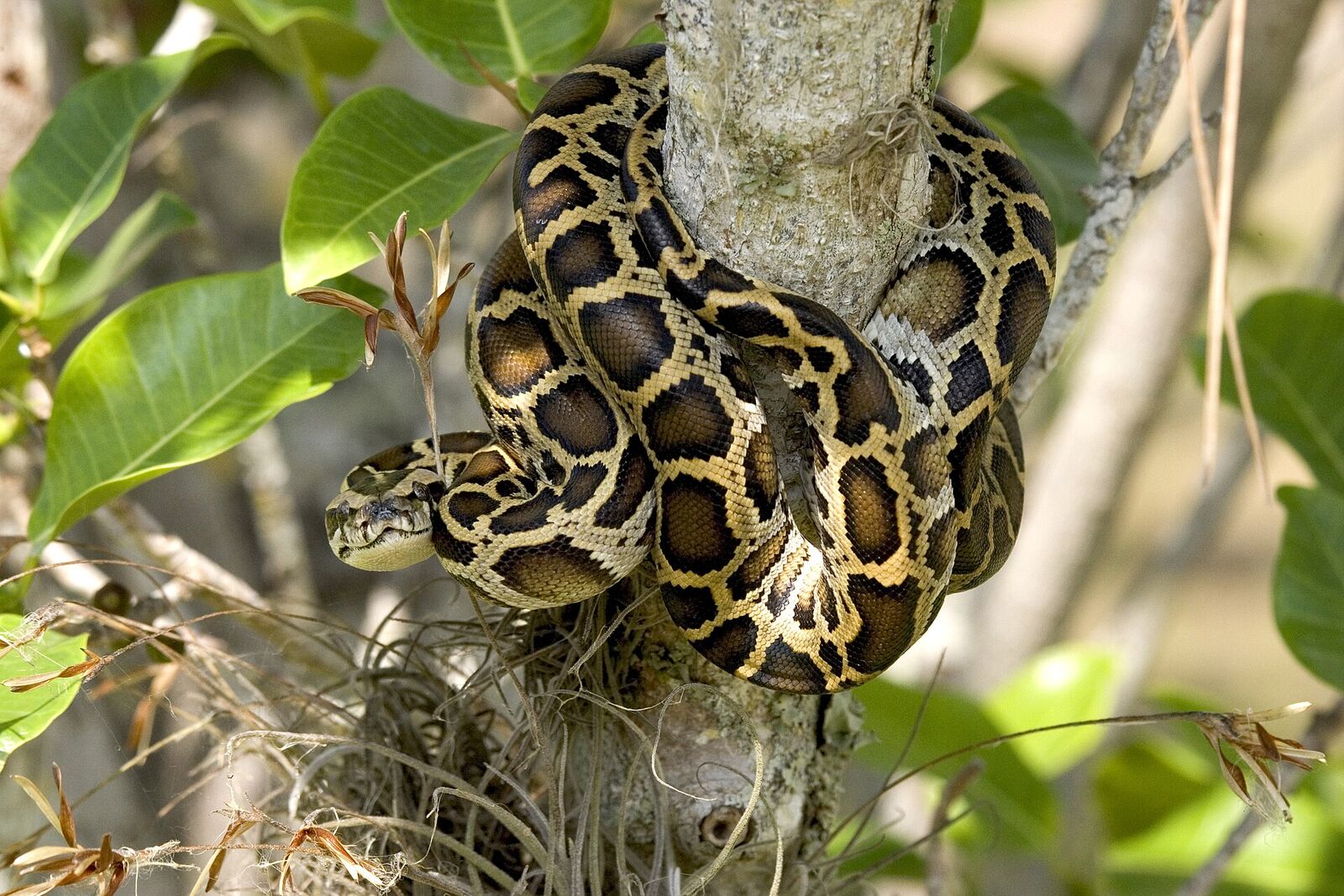
Burmese python
Python bivittatus
A heavy-bodied giant with a famously calm reputation.
Pet trade
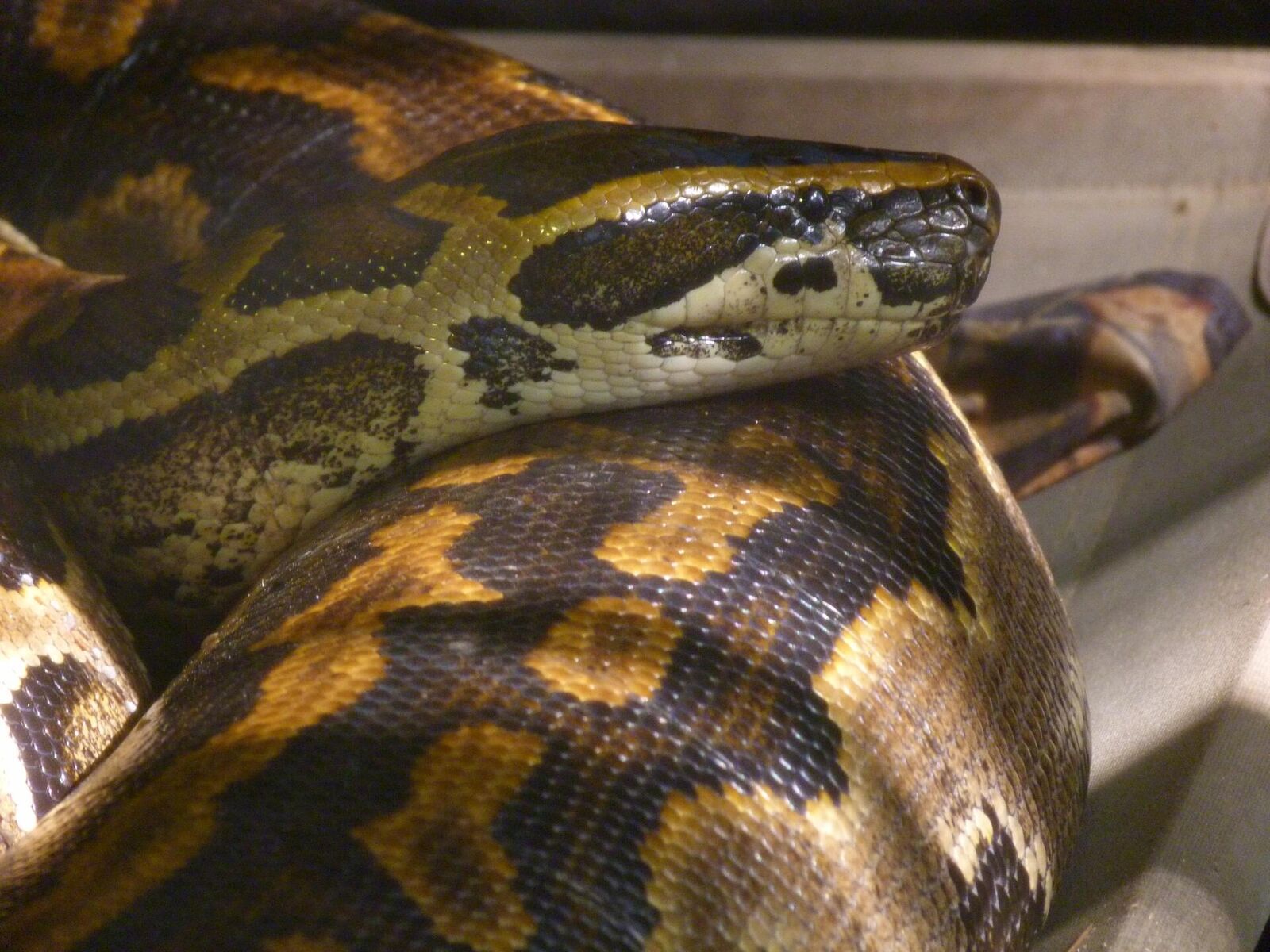
Central African rock python
Python sebae
Africa's largest snake, powerful and spirited.
Pet trade
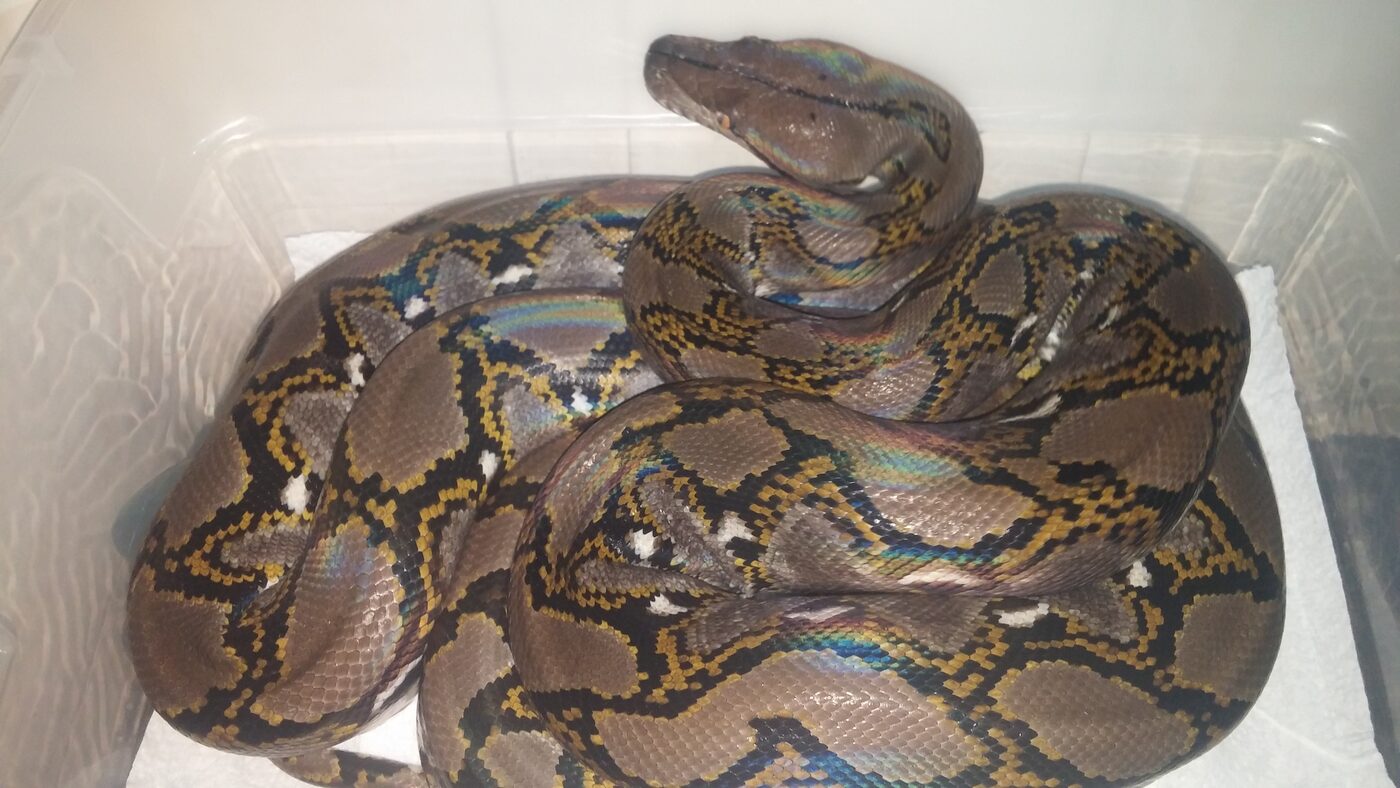
Reticulated python
Malayopython reticulatus
The world's longest snake, and a brilliant, active giant.
Pet trade

Amethystine python
Simalia amethistina
Pet trade

Angolan python
Python anchietae
Pet trade