
Home / Mammals / Rodents / Southern flying squirrel
State permit usually requiredSouthern flying squirrel
Glaucomys volans
Mammals › Rodents (Rodentia) › Sciuridae (Squirrels and ground squirrels)

Care at a glance
Setup
One answer per setting. Where sources differ, the smaller figure is the minimum and the larger is what we recommend.
| Adult enclosure | At least 24x24x36 inches Preferably 48-72 inches tall taller is always better | furrycritter.com |
| Temperature | At least 65°F Preferably 80°F avoid extremes below 60°F or above 85°F | furrycritter.com |
| Nest box and hides | 6x6x8 inch wooden or natural fiber box sleeping space for pairs | furrycritter.com |
| Food | 1-2 tablespoons of pellets daily per squirrel adjust based on body condition | furrycritter.com |
| Fresh foods | protein daily: mealworms, crickets, hard-boiled eggs, small amounts of cooked chicken or turkey | furrycritter.com |
| Lighting | nocturnal; red lights or dim nightlights allow observation without disturbing them | furrycritter.com |
Warnings
Care guide
By age
| Baby | Feeding: Eyes open at 24–30 days; weaned at about 65 days. | Wikipedia |
| Juvenile | Feeding: Fully independent at around 120 days old. | Wikipedia |
- Weak bones, poor movement: metabolic bone disease from poor calcium-phosphorus balance furrycritter.com
Understanding the animal
In the wild
In the wild
Researched for this exact species, not its family. Wild conditions are context, not enclosure settings.12
| Where it lives | Deciduous and mixed woods across eastern North America, from southeastern Canada to Florida. |
| Active | Nocturnal; feeds on fruits and nuts from trees like oak, hickory and beech. |
| Social life | Highly social; seen gliding and foraging together in large groups. |
| Wild diet | Also eats insects, buds, mushrooms and fungi, carrion, bird eggs, nestlings and flowers. |
| Behavior to plan for | Stores food, especially acorns, for winter. |
Profile
Profile
Researched for this exact species. Sources are listed under In the wild above.
Keeper tips
- Contact with southern flying squirrels has been linked to cases of typhus in people.
Remarkable facts
- Typically 5-7 years in captivity, some reaching 10 years or more; 2-4 years in the wild.
- 8.3–10.2 in (21–26 cm) total length, including the tail.
Data and studies
Veterinary & husbandry research
Veterinary & husbandry research
- Epidemic typhus. et al., The Lancet. Infectious diseases 2008
- A de novo genome assembly and annotation of the southern flying squirrel (Glaucomys volans). et al., G3 (Bethesda, Md.) 2022
- Sylvatic typhus associated with flying squirrels (Glaucomys volans) in New York State, United States. et al., Vector borne and zoonotic diseases (Larchmont, N.Y.) 2014
- Coccidian Parasites of Flying Squirrels, Glaucomys spp. (Rodentia: Sciuridae), from Alaska and Arkansas, with a Description of a New Species of Eimeria (Apicomplexa: Eimeriidae). et al., The Journal of parasitology 2020
Peer-reviewed papers that mention this species alongside captivity, zoos, veterinary care or aquaculture. Some cover several species or mention it only in passing, so check the abstract. PubMed
Sources for this sheet
- Southern flying squirrel (furrycritter.com) Experienced keeper or breederKeeper care guide.
- Wikipedia: Glaucomys volans (CC BY-SA 4.0) Community referenceEncyclopedia article.
- Flying squirrel information (exoticnutrition.com) Community referenceWeb page.
- Flying squirrels (crittery.co.uk) Community referenceWeb page.
- GBIF Backbone Taxonomy (Global Biodiversity Information Facility) (CC BY 4.0) Peer-reviewed researchInternational scientific taxonomy used here for classification. GBIF Secretariat (2023). GBIF Backbone Taxonomy. Checklist dataset https://doi.org/10.15468/39omei, accessed via GBIF.org.
- PubMed (U.S. National Library of Medicine) Peer-reviewed researchIndex of peer-reviewed veterinary, zoo and husbandry research.
More squirrels and ground squirrels
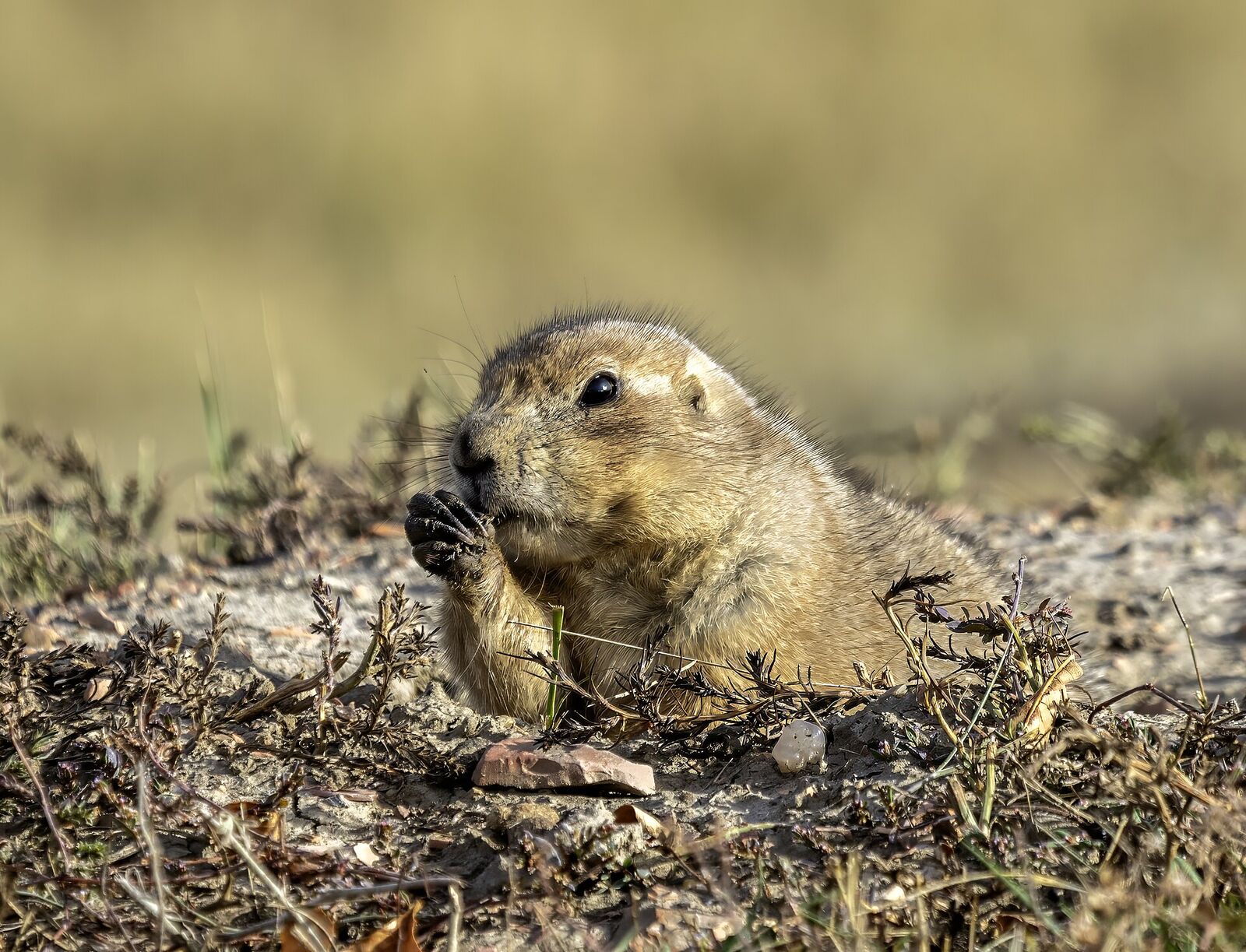
Black-tailed prairie dog
Cynomys ludovicianus
The most social of the ground squirrels.
Pet trade
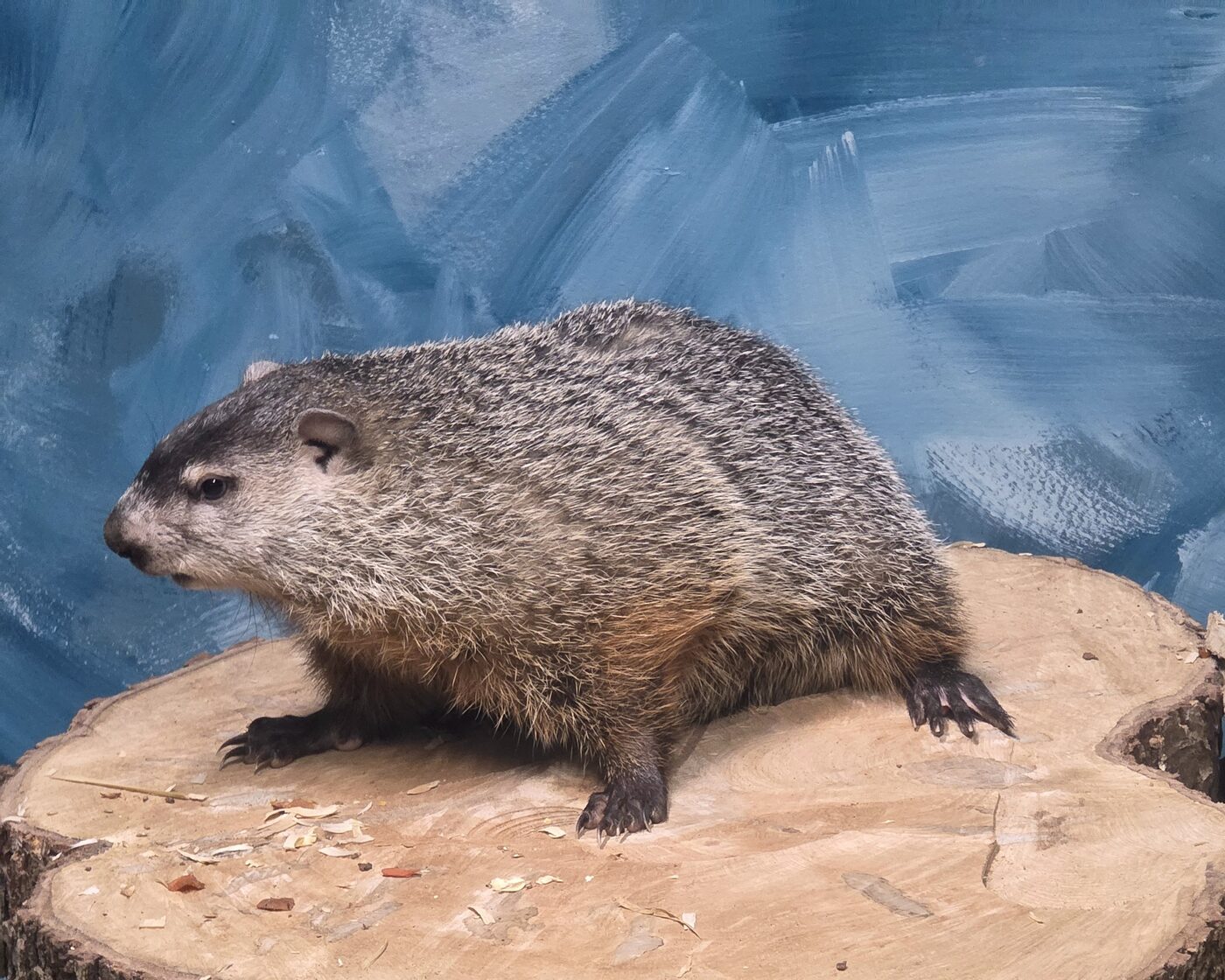
Groundhog (woodchuck)
Marmota monax
A true hibernator and master tunnel engineer.
Pet trade

American red squirrel
Tamiasciurus hudsonicus
Zoos & aquariums

Arctic ground squirrel
Urocitellus parryii
Zoos & aquariums

Eastern gray squirrel
Sciurus carolinensis
Zoos & aquariums

European ground squirrel
Spermophilus citellus
Zoos & aquariums