
Home / Mammals / Rodents / White-tailed antelope squirrel
No federal permit to keepWhite-tailed antelope squirrel
Ammospermophilus leucurus
Mammals › Rodents (Rodentia) › Sciuridae (Squirrels and ground squirrels)
The white-tailed antelope squirrel (Ammospermophilus leucurus) is a diurnal species of ground squirrel, scientifically classified in the order Rodentia and family Sciuridae, found in arid regions of the southwestern United States and the Baja…
From Wikipedia: White-tailed antelope squirrel, CC BY-SA 4.0 (excerpt)

Care at a glance
Species-specific values
Values researched for this exact species. Air, surface and water temperatures are listed separately, and each source is kept as published rather than averaged.
| Minimum enclosure | Adults were housed singly in static cages with approximately 220 in² of floor space (20 × 11 × 9 in.). Source: pmc.ncbi.nlm.nih.gov | |
| Diet | Supply municipal water that is acidified and autoclaved, plus rodent chow freely. Source: pmc.ncbi.nlm.nih.gov | |
| Social housing | The study housed AGS singly, partly due to concerns about aggression in captivity. Source: pmc.ncbi.nlm.nih.gov | |
| Substrate | Cages had autoclaved corncob bedding and a cotton square for nest building; the authors support 1 qt of bedding in static cages. Source: pmc.ncbi.nlm.nih.gov | |
| Feeding frequency | Rodent chow was provided ad libitum. Source: pmc.ncbi.nlm.nih.gov |
Warnings
Understanding the animal
In the wild
In the wild
| Overview | The white-tailed antelope squirrel (Ammospermophilus leucurus) is a diurnal species of ground squirrel, scientifically classified in the order Rodentia and family Sciuridae, found in arid regions of the southwestern United States and the Baja California Peninsula of northwestern Mexico. — From Wikipedia: White-tailed antelope squirrel, CC BY-SA 4.0 (excerpt) |
| Behavior | Antelope squirrels are active most during the cooler parts of the daylight hours, avoiding midday as much as possible. Although these animals live in hot and arid climates, the white-tailed antelope squirrel is diurnal, meaning heat gain from metabolic activity could be a problem. However, compared to direct exposure of heat from the sun, metabolic heat gain contributes little to the overheating of this species. — From Wikipedia: White-tailed antelope squirrel, CC BY-SA 4.0 (excerpt) |
Read about this species in the wild at Animal Diversity Web.
Native climate (measured)
Native climate (measured)
| Warm-season highs | about 92°F (up to 102°F in the hottest sampled areas) |
| Cool-season lows | about 21°F (down to 14°F in the coldest sampled areas) |
| Average temperature | 46–71°F across sampled records |
| Relative humidity | 38–51% on average (driest month about 28%) |
| Rainfall | about 226 mm a year, spread fairly evenly |
| Winters | Cool to cold winters (lows around 21°F) in much of its native range. Seasonal slowdown may be relevant, but species-specific biology determines whether brumation or hibernation occurs. |
Measured at 612 wild occurrence records sampled against WorldClim 2.1 climate data (1970–2000 averages). Air conditions in the range are ecological context, not enclosure settings: microhabitats such as burrows, leaf litter or basking rocks can be cooler, warmer or more humid.
Data and studies
The numbers
The numbers
Each bar is what one source reports. Where several sources weigh in, the dashed gold band marks their average.
Maximum recorded lifespan
Longest recorded lifespan reported by each database; typical lifespans are usually shorter. The AnAge record comes from an animal in human care.
Typical adult weight
Average adult body mass in each database (FishBase gives the maximum recorded weight).
Litter size
Average per litter or clutch.
Gestation
Female maturity
Sources for this sheet
- AnAge: The Animal Ageing and Longevity Database (Human Ageing Genomic Resources) (CC BY 3.0) Peer-reviewed researchCurated, referenced longevity and life-history records for thousands of species; maximum lifespans are often from zoo animals.
- Myhrvold et al. (2015). An amniote life-history database. Ecology 96: 3109 Peer-reviewed researchPeer-reviewed compilation of life-history data for over 21,000 birds, mammals and reptiles.
- 9 CFR 2.1: Animal Welfare Act licensing (USDA) Zoo, university or veterinaryWho needs a USDA license to breed, sell or exhibit animals.
- Wikipedia (species article) (CC BY-SA 4.0) Community referenceFree encyclopedia; useful overviews with their own citations. Short excerpts are quoted under CC BY-SA 4.0, each credited with a link to its article.
- iNaturalist (captive observations) Community referenceCommunity observation platform run by the California Academy of Sciences and National Geographic; observations marked captive show animals living in homes, zoos and aquariums.
More squirrels and ground squirrels
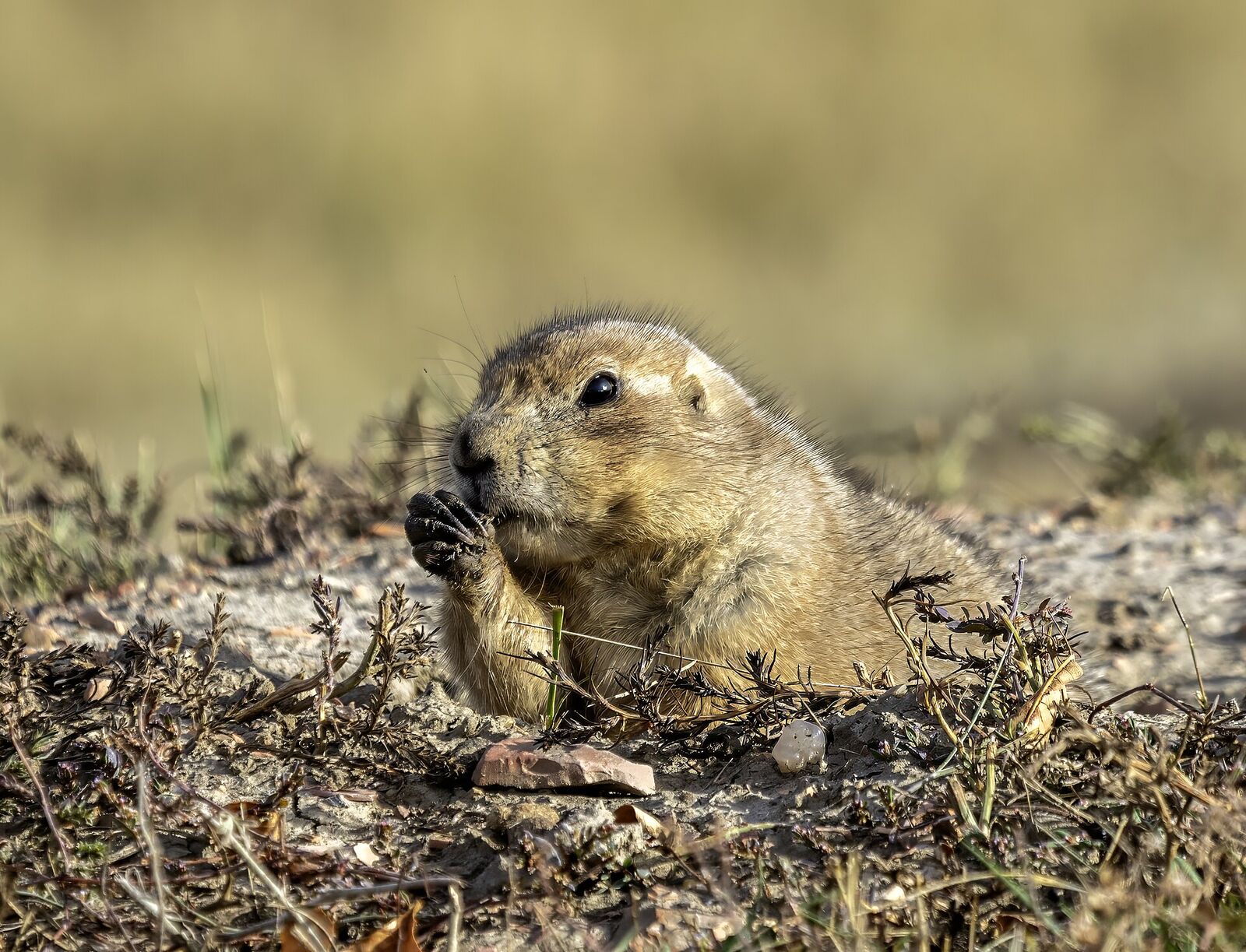
Black-tailed prairie dog
Cynomys ludovicianus
The most social of the ground squirrels.
Pet trade
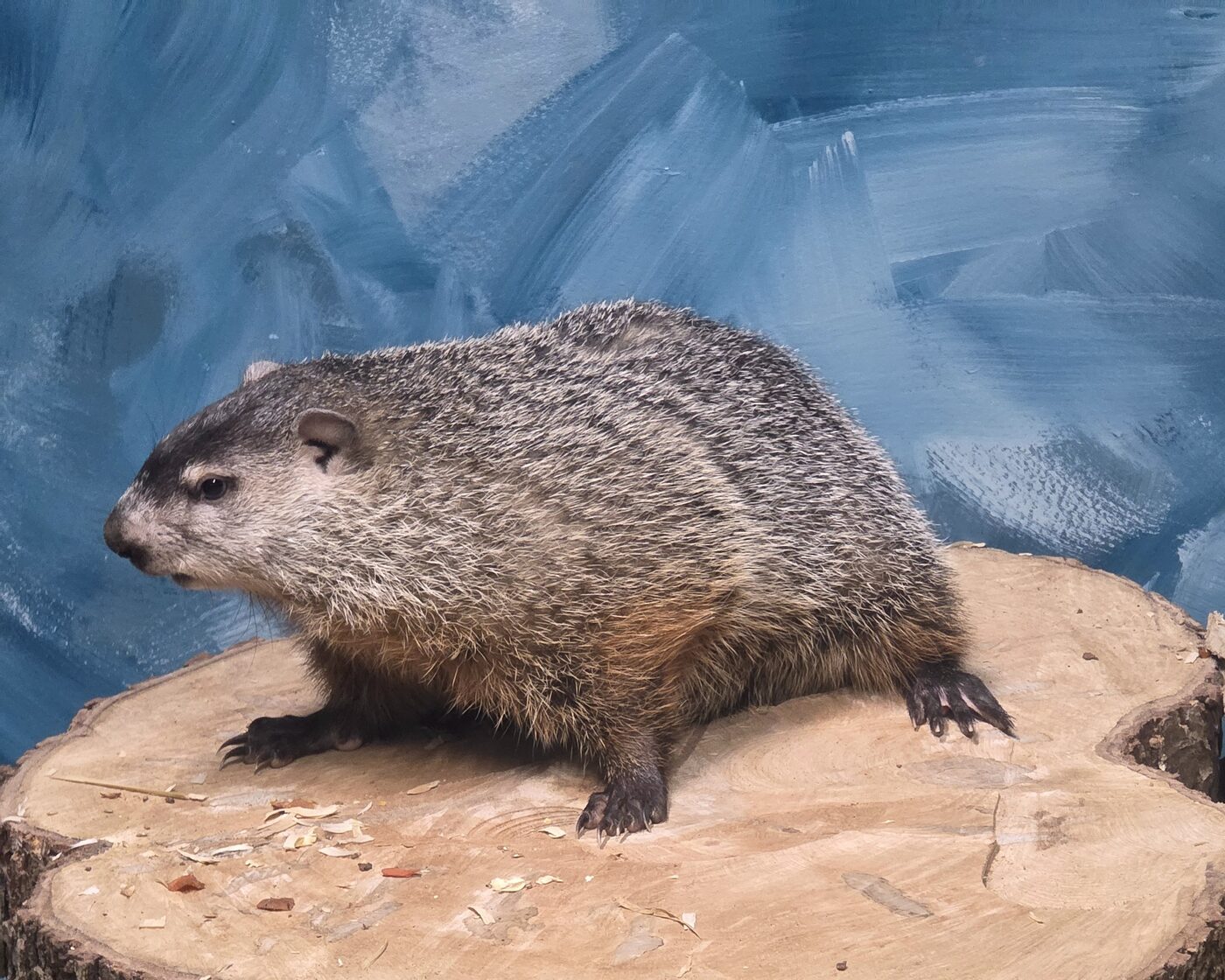
Groundhog (woodchuck)
Marmota monax
A true hibernator and master tunnel engineer.
Pet trade

American red squirrel
Tamiasciurus hudsonicus
Zoos & aquariums

Arctic ground squirrel
Urocitellus parryii
Zoos & aquariums

Eastern gray squirrel
Sciurus carolinensis
Zoos & aquariums

European ground squirrel
Spermophilus citellus
Zoos & aquariums