

Care at a glance
Setup
One answer per setting. Where sources differ, the smaller figure is the minimum and the larger is what we recommend.
| Hot spot | At least 86°F Preferably 90°F Warm side temperature reflection of tropical origins. | furrycritter.com |
| Cool side | At least 78°F Preferably 80°F Ambient cool side temperature. | furrycritter.com |
| Night temperature | 75°F Nighttime temperatures should not fall below this limit. | furrycritter.com |
| Humidity | At least 70% Preferably 85% Requires sustained high humidity; higher than most colubrids and ball pythons. | furrycritter.com |
| Water | Large enough to submerge Essential for soaking; must be changed daily and sanitized regularly. | furrycritter.com |
| Substrate | Cypress mulch or sphagnum moss Must retain moisture well without becoming waterlogged to maintain humidity. | furrycritter.com |
| Food | Frozen-thawed rodents Thrive on a frozen-thawed rodent diet that provides complete nutrition. | furrycritter.com |
| Housing | Individually Cohabitation creates stress and increases disease transmission risk. | furrycritter.com |
Care guide
- Stops eating: Earliest indicator that temperature or humidity is incorrect (cold or dry). furrycritter.com
- Ventral scale discoloration: Sign of scale rot from substrate staying saturated rather than merely damp. furrycritter.com
- Wheezing, mucus discharge, open-mouth breathing: Early warning signs of respiratory issues from poor ventilation and cool temperatures. furrycritter.com
- Constant soaking when inactive: May indicate mites, thermal discomfort, or skin irritation. furrycritter.com
Understanding the animal
In the wild
In the wild
Researched for this exact species, not its family. Wild conditions are context, not enclosure settings.12
| Active | Primarily nocturnal and crepuscular, sheltering in vegetation or hollow logs during the day. |
| Wild diet | Opportunistic feeder eating frogs, fish, small mammals, water birds, and other vertebrates. |
Profile
Profile
Researched for this exact species. Sources are listed under In the wild above.
Keeper tips
- Spirited, defensive, or feisty; quick to strike and persistent about displeasure when handled, especially wild-caught ones.
- Bites are painful, can draw significant blood due to backward-curved teeth, and may involve chewing.
Remarkable facts
- Realistic captive lifespan is twenty to thirty years.
Data and studies
Veterinary & husbandry research
Veterinary & husbandry research
- High prevalence of Hepatozoon spp. (Apicomplexa, Hepatozoidae) infection in water pythons (Liasis fuscus) from tropical Australia. et al., The Journal of parasitology 2004
- Distribution of lipids from the yolk to the tissues during development of the water python (Liasis fuscus). et al., Journal of comparative physiology. B, Biochemical, systemic, and environmental physiology 2003
- Epidermal differentiation during ontogeny and after hatching in the snake Liasis fuscus (Pythonidae, Serpentes, Reptilia), with emphasis on the formation of the shedding complex. et al., Journal of morphology 2003
- Dracunculus mulbus n. sp. (Nematoda: Spirurida) from the water python Liasis fuscus (Serpentes: Boidae) in northern Australia. et al., Systematic parasitology 2007
Peer-reviewed papers that mention this species alongside captivity, zoos, veterinary care or aquaculture. Some cover several species or mention it only in passing, so check the abstract. PubMed
Sources for this sheet
- Species+ (UNEP-WCMC and the CITES Secretariat) Zoo, university or veterinaryThe official database of species listed under CITES. UNEP (2026). The Species+ Website. Nairobi, Kenya. Compiled by UNEP-WCMC, Cambridge, UK. Available at: www.speciesplus.net. [Accessed 04/10/2026].
- USFWS International Affairs: CITES Zoo, university or veterinaryFederal agency that issues CITES permits.
- Water python guide (furrycritter.com) Experienced keeper or breederKeeper care guide.
- Wikipedia: Liasis fuscus (CC BY-SA 4.0) Community referenceEncyclopedia article.
- The Reptile Database: Liasis fuscus Zoo, university or veterinaryTaxonomy, distribution and literature for every reptile species.
- The Reptile Database Peer-reviewed researchScientist-curated catalog of every reptile species, with taxonomy and literature.
- GBIF Backbone Taxonomy (Global Biodiversity Information Facility) (CC BY 4.0) Peer-reviewed researchInternational scientific taxonomy used here for classification. GBIF Secretariat (2023). GBIF Backbone Taxonomy. Checklist dataset https://doi.org/10.15468/39omei, accessed via GBIF.org.
- PubMed (U.S. National Library of Medicine) Peer-reviewed researchIndex of peer-reviewed veterinary, zoo and husbandry research.
More pythons
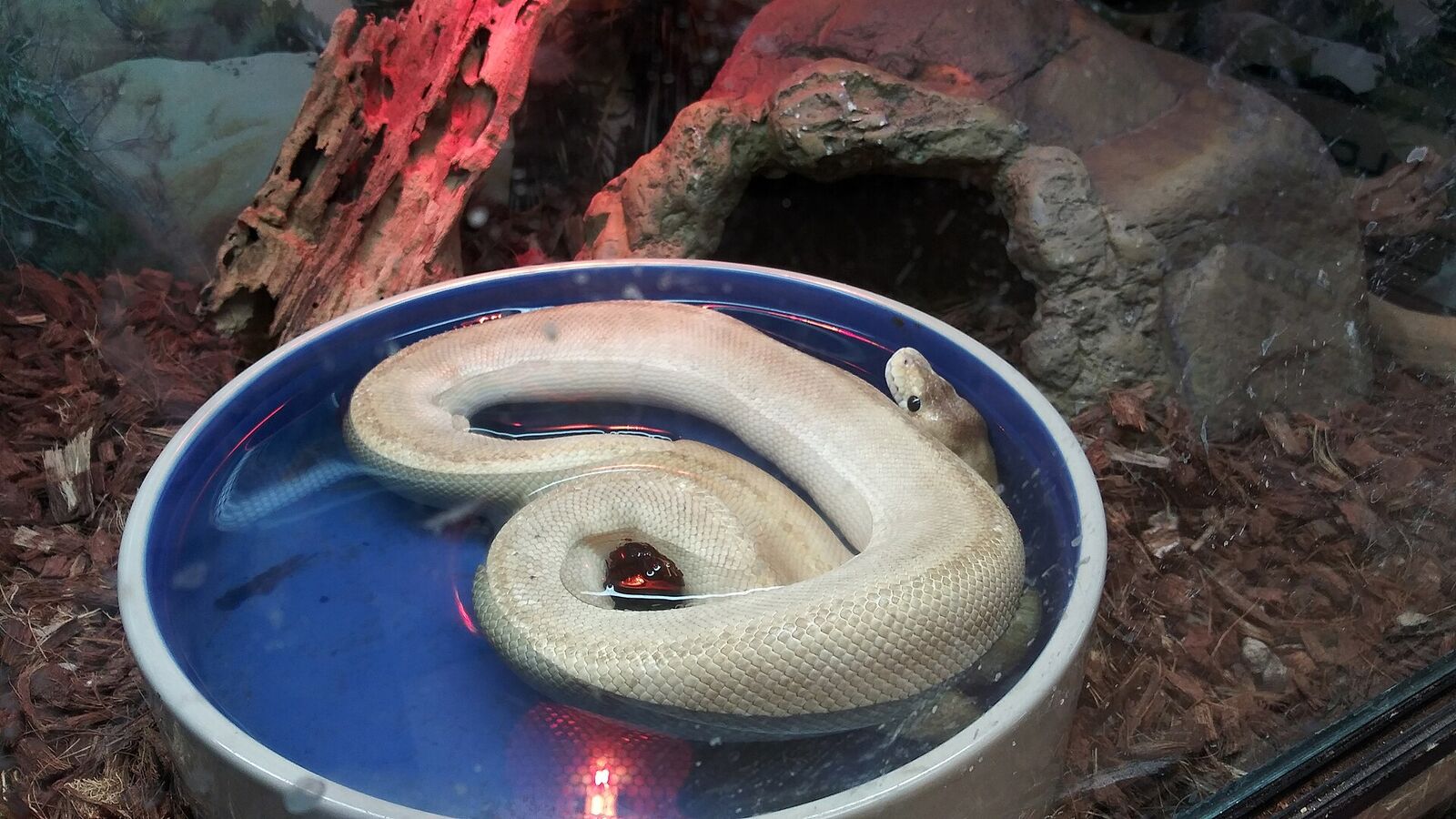
Ball python
Python regius
The calm, curl-up classic of pet snakes.
Pet trade
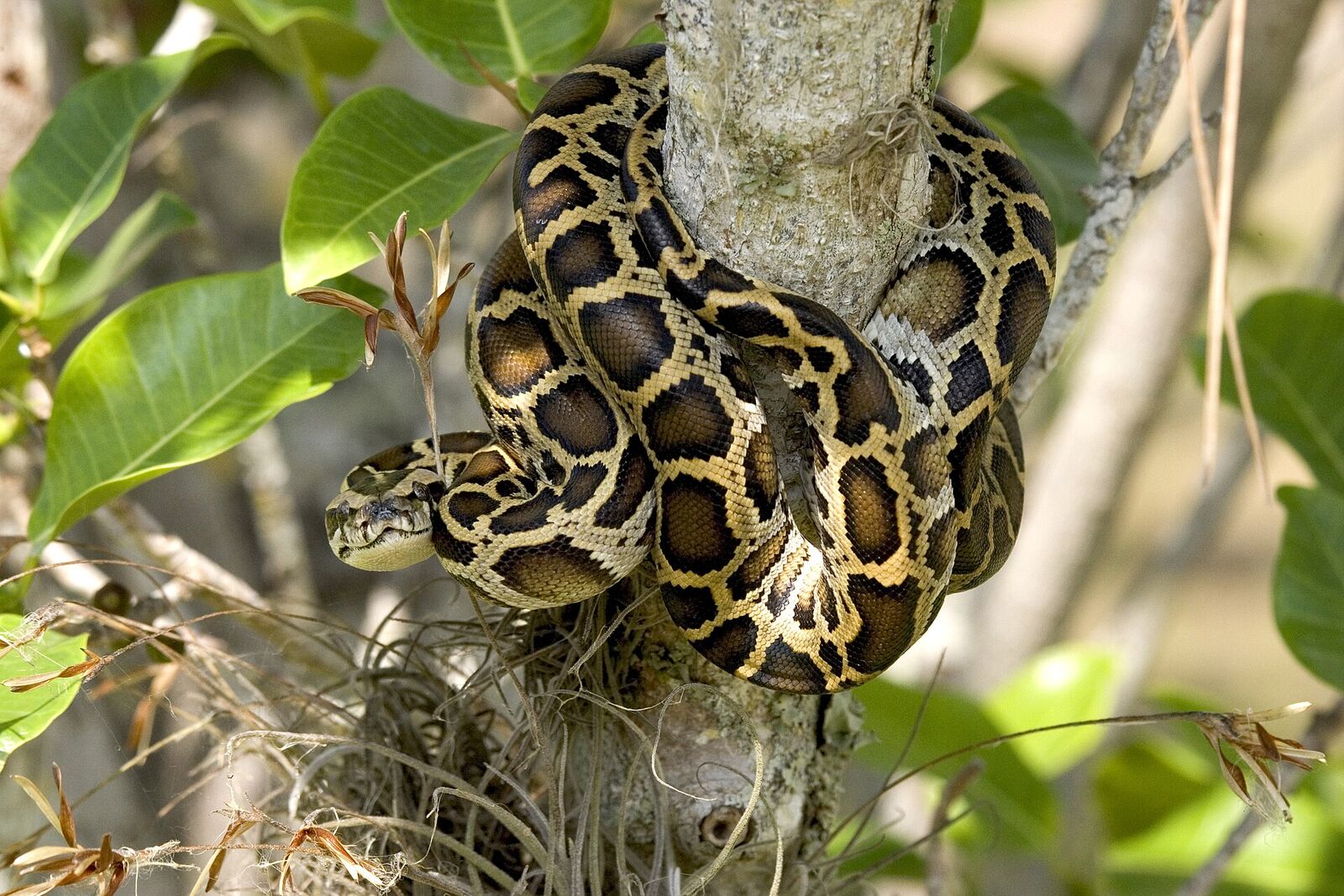
Burmese python
Python bivittatus
A heavy-bodied giant with a famously calm reputation.
Pet trade
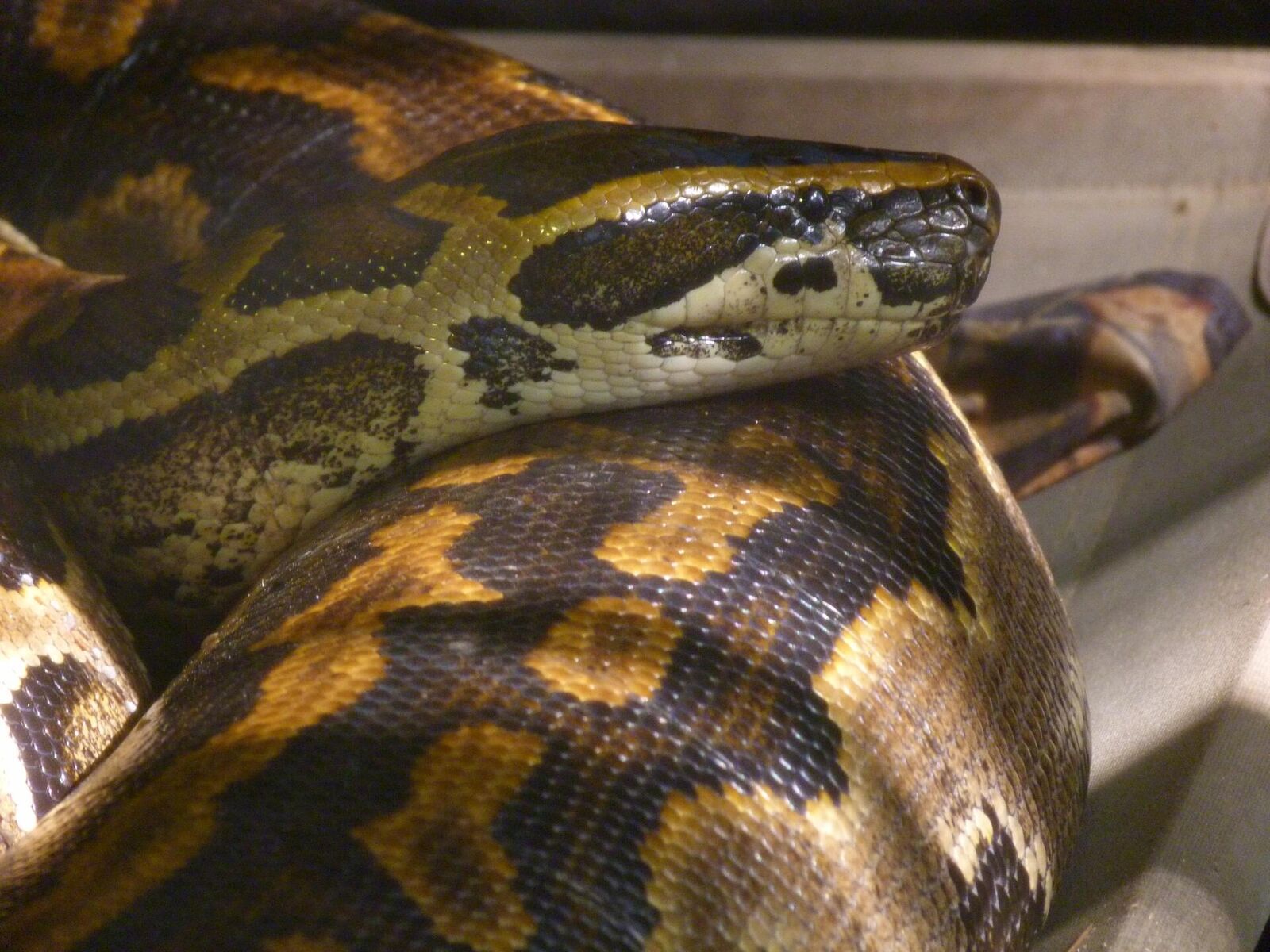
Central African rock python
Python sebae
Africa's largest snake, powerful and spirited.
Pet trade
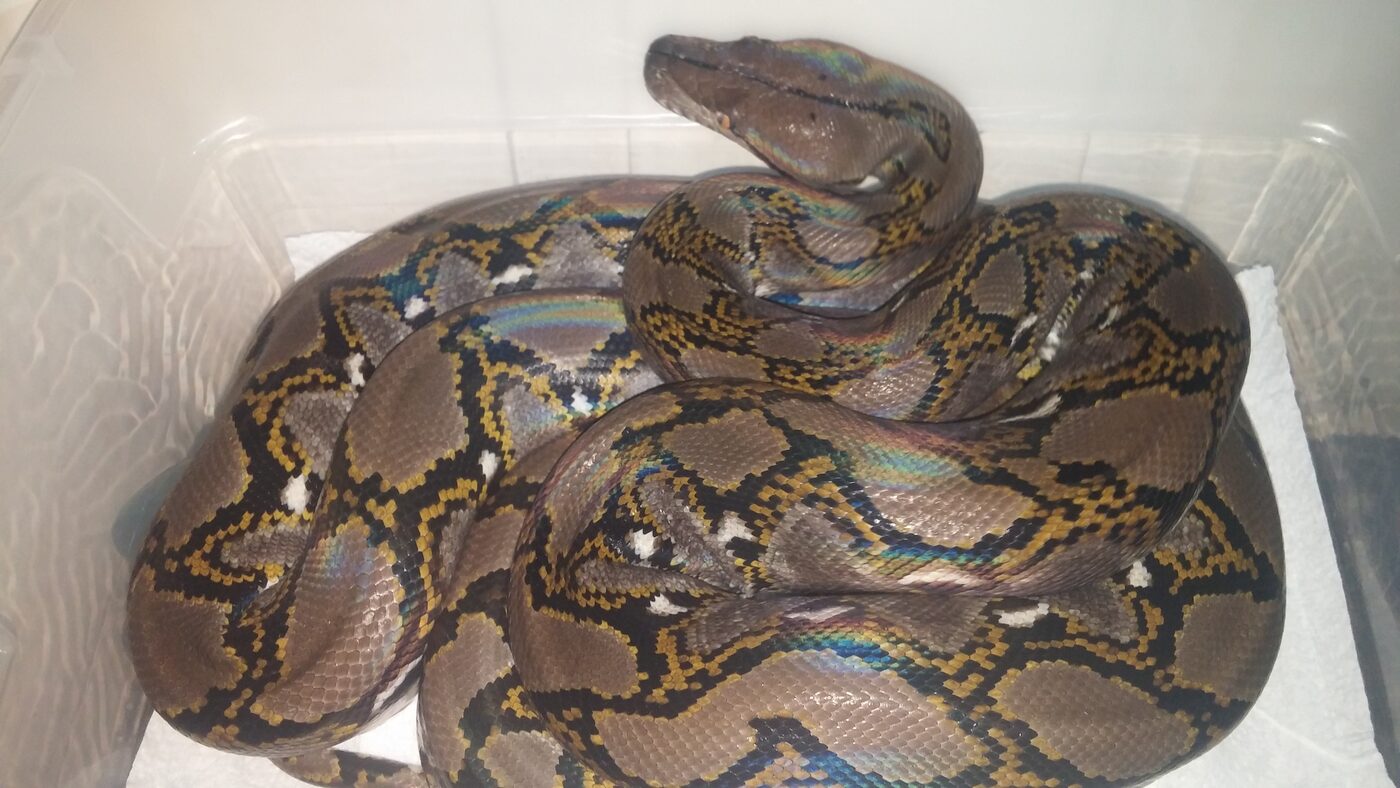
Reticulated python
Malayopython reticulatus
The world's longest snake, and a brilliant, active giant.
Pet trade

Amethystine python
Simalia amethistina
Pet trade

Angolan python
Python anchietae
Pet trade