
Home / Birds / Parrots / Large fig parrot
Some federal rules applyLarge fig parrot
Psittaculirostris desmarestii
Birds › Parrots (Psittaciformes) › Psittaculidae (Old World parrots, lorikeets and lovebirds)
The large fig parrot (Cyclopsitta desmarestii), also known as flame-headed fig parrot and Desmarest's fig parrot, is a species of parrot in the family Psittaculidae. It is found in the West Papuan Islands, Indonesia and in southern and western New…
From Wikipedia: Large fig parrot, CC BY-SA 4.0 (excerpt)

Care at a glance
Species-specific values
Values researched for this exact species. Air, surface and water temperatures are listed separately, and each source is kept as published rather than averaged.
| Minimum enclosure | Walk-in aviary minimum length 2.1 m (7 ft), or indoor enclosure minimum length 1.8 m (6 ft). Source: parrots.org | |
| Diet | Dried figs soaked in filtered water, fruits, soaked sultanas, berries, millet, seed mix, cooked pulses, rearing food, mealworms and maggots for breeding, and complete kibble. Source: parrots.org | |
| Feeding frequency | Provide two or more dried figs per bird daily. Source: parrots.org |
Warnings
Understanding the animal
Native climate (measured)
Native climate (measured)
| Warm-season highs | about 87°F (up to 89°F in the hottest sampled areas) |
| Cool-season lows | about 68°F (down to 59°F in the coldest sampled areas) |
| Average temperature | 69–81°F across sampled records |
| Relative humidity | 79–83% on average (driest month about 80%) |
| Rainfall | about 3078 mm a year, spread fairly evenly |
Measured at 10 wild occurrence records sampled against WorldClim 2.1 climate data (1970–2000 averages). Air conditions in the range are ecological context, not enclosure settings: microhabitats such as burrows, leaf litter or basking rocks can be cooler, warmer or more humid.
Data and studies
The numbers
The numbers
Each bar is what one source reports. Where several sources weigh in, the dashed gold band marks their average.
Maximum recorded lifespan
Longest recorded lifespan reported by each database; typical lifespans are usually shorter. The AnAge record comes from an animal in human care.
Typical adult weight
Average adult body mass in each database (FishBase gives the maximum recorded weight).
Sources for this sheet
- AnAge: The Animal Ageing and Longevity Database (Human Ageing Genomic Resources) (CC BY 3.0) Peer-reviewed researchCurated, referenced longevity and life-history records for thousands of species; maximum lifespans are often from zoo animals.
- Myhrvold et al. (2015). An amniote life-history database. Ecology 96: 3109 Peer-reviewed researchPeer-reviewed compilation of life-history data for over 21,000 birds, mammals and reptiles.
- Species+ (UNEP-WCMC and the CITES Secretariat) Zoo, university or veterinaryThe official database of species listed under CITES. UNEP (2026). The Species+ Website. Nairobi, Kenya. Compiled by UNEP-WCMC, Cambridge, UK. Available at: www.speciesplus.net. [Accessed 04/10/2026].
- USFWS International Affairs: CITES Zoo, university or veterinaryFederal agency that issues CITES permits.
- 9 CFR 2.1: Animal Welfare Act licensing (USDA) Zoo, university or veterinaryWho needs a USDA license to breed, sell or exhibit animals.
- Wikipedia (species article) (CC BY-SA 4.0) Community referenceFree encyclopedia; useful overviews with their own citations. Short excerpts are quoted under CC BY-SA 4.0, each credited with a link to its article.
More old world parrots, lorikeets and lovebirds
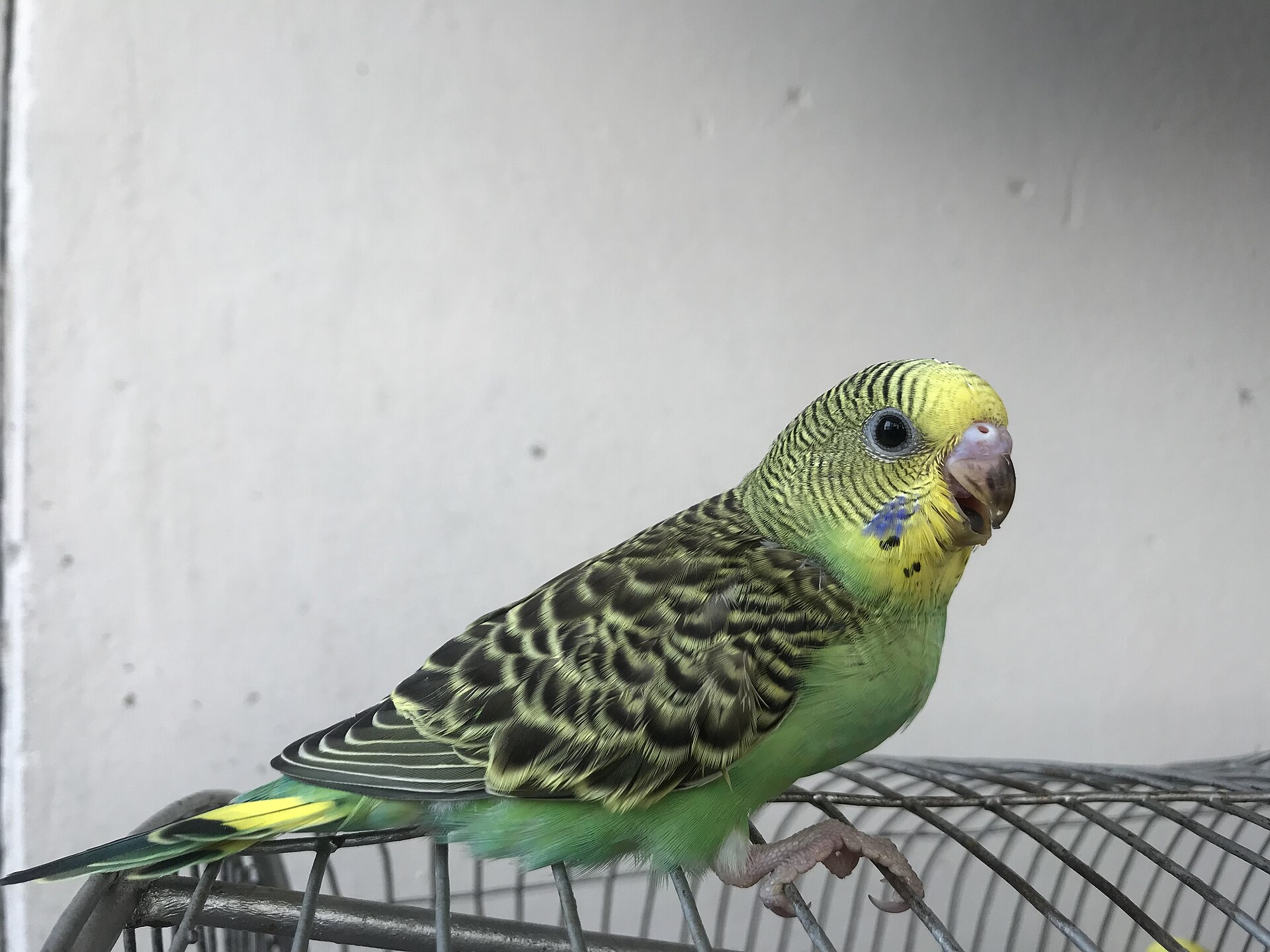
Budgerigar
Melopsittacus undulatus
A small parrot with a big vocabulary.
Pet trade

Alexandrine parakeet
Psittacula eupatria
Pet trade

Black-capped lory
Lorius lory
Pet trade

Black-cheeked lovebird
Agapornis nigrigenis
Pet trade

Blue lorikeet
Vini peruviana
Zoos & aquariums

Blue-crowned hanging parrot
Loriculus galgulus
Zoos & aquariums