
Home / Reptiles / Snakes / Pythonidae / Papuan olive python
Some federal rules applyPapuan olive python
Apodora papuana
Reptiles › Snakes (Serpentes) › Pythonidae (Pythons)
Apodora papuana is a species of python, commonly known as the Papuan python, Irian python or Papuan olive python.
Care at a glance
Setup
One answer per setting. Where sources differ, the smaller figure is the minimum and the larger is what we recommend.
| Adult enclosure | 1.8 x 0.9 x 0.5 meters (6 x 3 x 1.6 feet) Minimum space for very large adults as they can be active. | reptiletalk.net |
| Hot spot | 84-87°F Natural heating from above; snakes dislike it too hot. | reptiletalk.net |
| Cool side | 71-77°F Colder end of the enclosure. | reptiletalk.net |
| Humidity | 60-70% Maintained via water bowl; slight increase during shed. | reptiletalk.net |
| Lighting | 12 hours Heat and light cycle daily, all year round. | reptiletalk.net |
| Water | Large water bowl To raise humidity and for soaking; snakes rarely soak and dislike being sprayed. | reptiletalk.net |
| Food | Rats or large prey; non-fat rats recommended. Adults fed several large rats or one large prey item. | reptiletalk.net |
Care guide
- Internal parasites: Common in wild-caught specimens; can remain hidden for years until stress reveals issues. reptiletalk.net
- Blister disease: Caused by too humid conditions in young animals and babies. reptiletalk.net
Understanding the animal
About this animal
About this animal
It is found in New Guinea. It is the only species in the genus Apodora. No subspecies are currently recognized.
From Wikipedia: Apodora, CC BY-SA 4.0 (excerpt)
In the wild
In the wild
Researched for this exact species, not its family. Wild conditions are context, not enclosure settings.12
| Where it lives | Found in most of New Guinea, from Misool to Fergusson Island, including the type locality near Sorong. |
| Active | Largely terrestrial and mostly nocturnal activity patterns. |
| Social life | Solitary; must be housed alone as they are territorial. |
| Wild diet | Primarily smaller mammals, but also partly ophiophagous; wild observations include wallabies and large possums. |
| Behavior to plan for | Relatively inoffensive and not prone to bite, despite size and strength. |
Profile
Profile
Researched for this exact species. Sources are listed under In the wild above.
Keeper tips
- Territorial and prone to bluffing with hissing or strikes when handled, but non-aggressive if approached correctly.
- Incredible strength requires two people for handling adult specimens to prevent injury.
Remarkable facts
- 20 years or more in captivity.
Sources for this sheet
- Species+ (UNEP-WCMC and the CITES Secretariat) Zoo, university or veterinaryThe official database of species listed under CITES. UNEP (2026). The Species+ Website. Nairobi, Kenya. Compiled by UNEP-WCMC, Cambridge, UK. Available at: www.speciesplus.net. [Accessed 04/10/2026].
- USFWS International Affairs: CITES Zoo, university or veterinaryFederal agency that issues CITES permits.
- Papuan python (reptiletalk.net) Experienced keeper or breederKeeper care guide.
- Wikipedia: Apodora papuana (CC BY-SA 4.0) Community referenceEncyclopedia article.
- The Reptile Database: Apodora papuana Zoo, university or veterinaryTaxonomy, distribution and literature for every reptile species.
- The Reptile Database Peer-reviewed researchScientist-curated catalog of every reptile species, with taxonomy and literature.
- GBIF Backbone Taxonomy (Global Biodiversity Information Facility) (CC BY 4.0) Peer-reviewed researchInternational scientific taxonomy used here for classification. GBIF Secretariat (2023). GBIF Backbone Taxonomy. Checklist dataset https://doi.org/10.15468/39omei, accessed via GBIF.org.
- Wikipedia (species article) (CC BY-SA 4.0) Community referenceFree encyclopedia; useful overviews with their own citations. Short excerpts are quoted under CC BY-SA 4.0, each credited with a link to its article.
More pythons
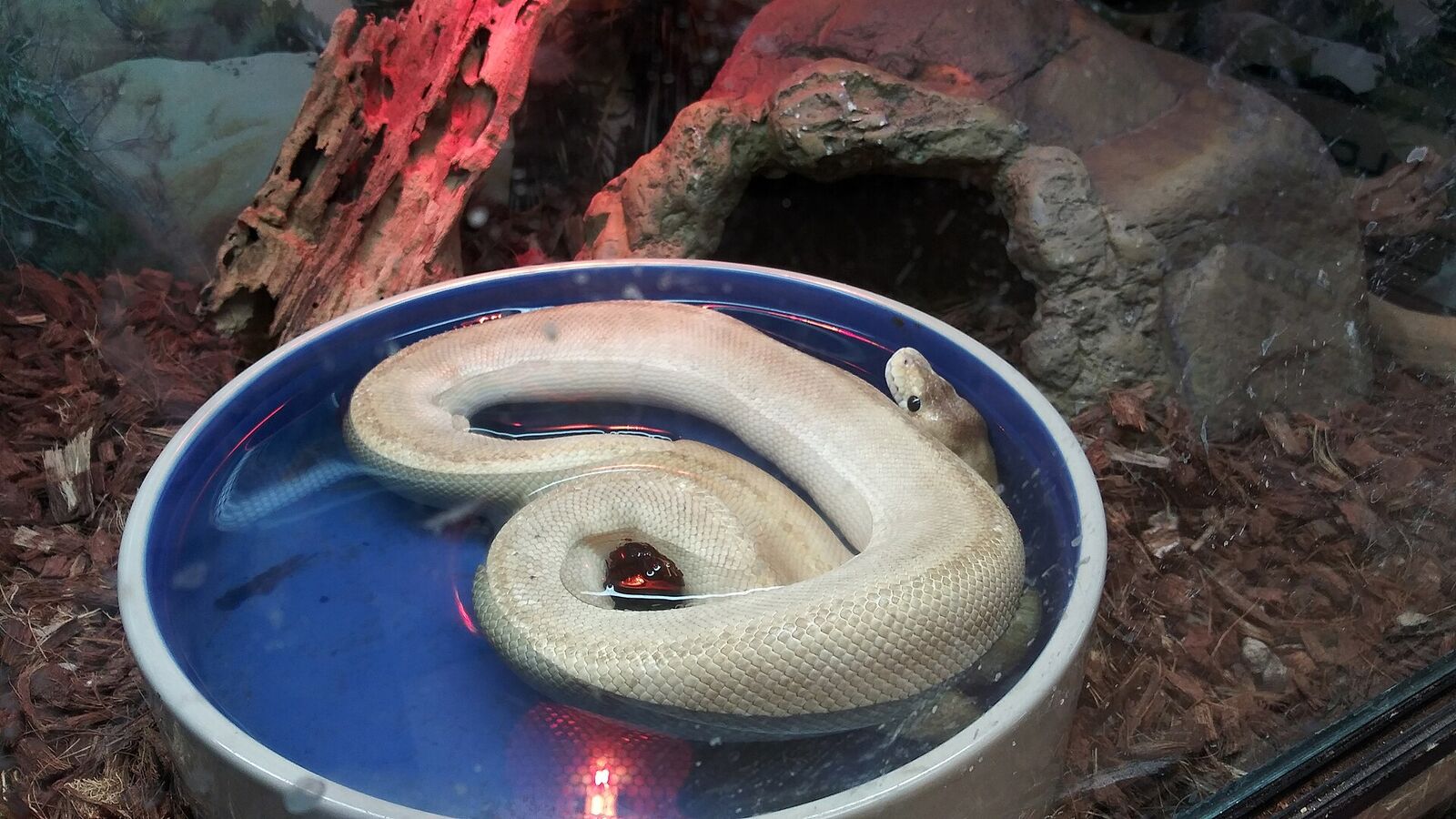
Ball python
Python regius
The calm, curl-up classic of pet snakes.
Pet trade
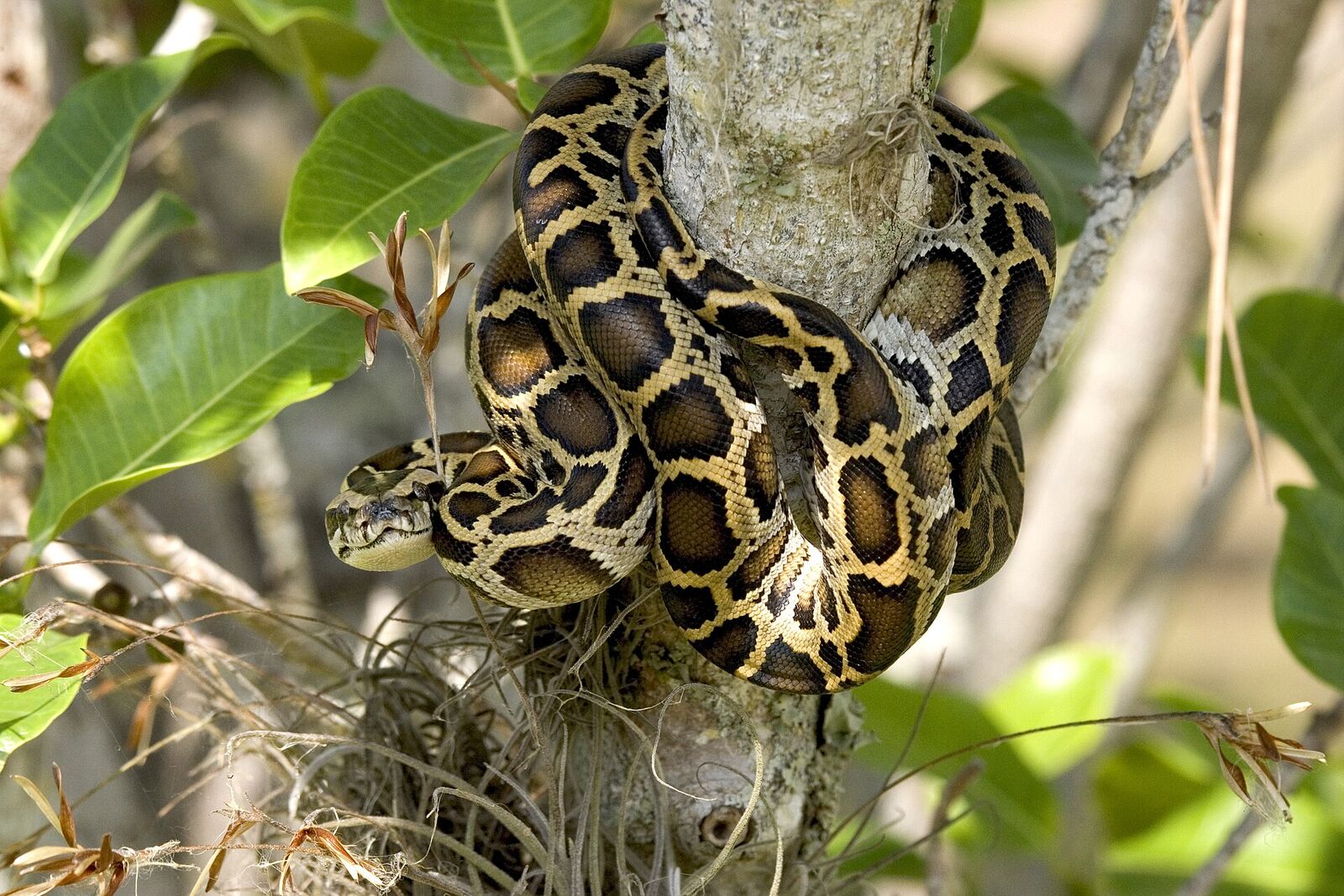
Burmese python
Python bivittatus
A heavy-bodied giant with a famously calm reputation.
Pet trade
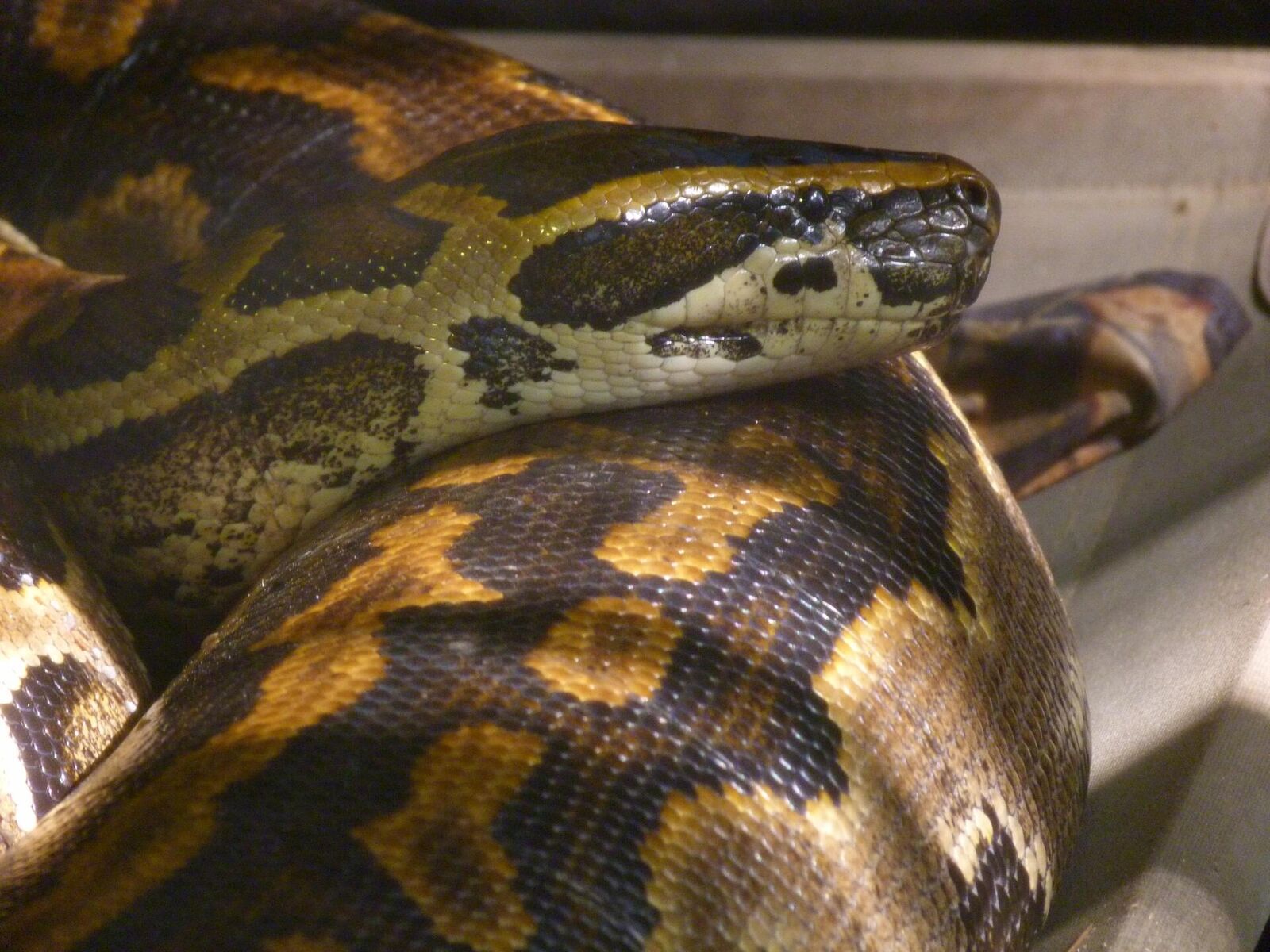
Central African rock python
Python sebae
Africa's largest snake, powerful and spirited.
Pet trade
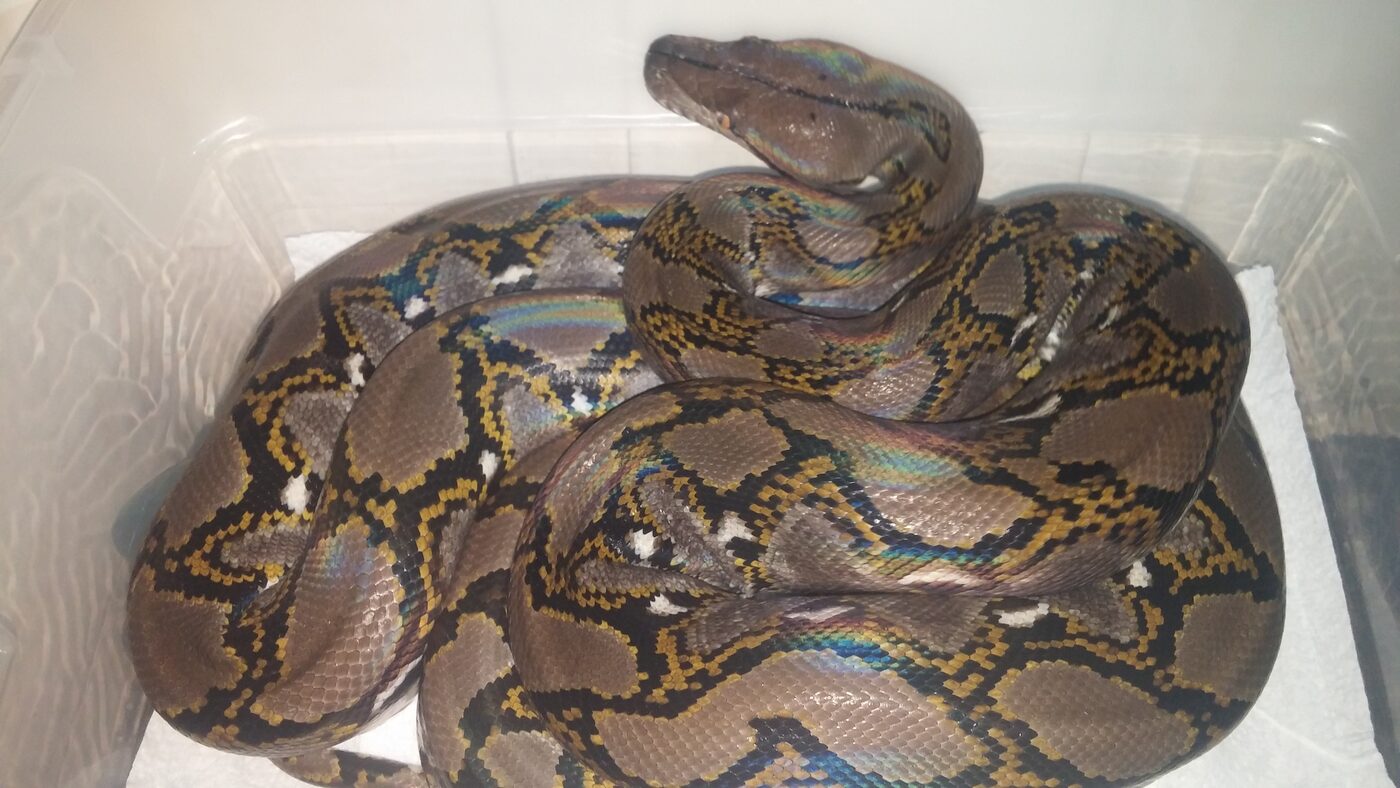
Reticulated python
Malayopython reticulatus
The world's longest snake, and a brilliant, active giant.
Pet trade

Amethystine python
Simalia amethistina
Pet trade

Angolan python
Python anchietae
Pet trade